US Signals Progress in Iran Talks to Avert Flare-Up
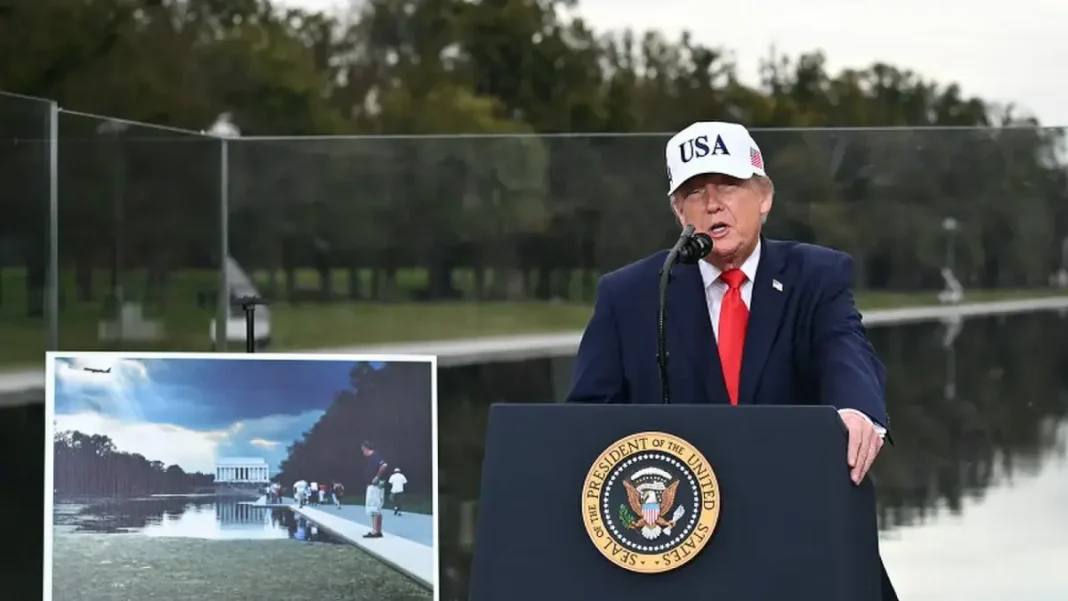
US President Donald Trump said on Tuesday that a deal with Iran could happen, as the Iran talks intensified and Tehran offered to reopen the Strait of Hormuz within two days under strict conditions.
Trump wrote on his Truth Social platform that Iran wants a settlement as soon as possible. He added that a deal could happen. His vice president, JD Vance, struck a similar note on Monday, telling reporters that both men were optimistic about an agreement and that progress had already been made.
Iran talks run through mediators
Iran’s Foreign Minister Abbas Araghchi said on Monday that indirect talks with Washington were taking place through mediators. He described the consultations as very intensive, given the sensitivity and gravity of the situation. He also named Qatar and Pakistan as playing a very active mediating role in the negotiations.
That Pakistani role matters at home. Pakistan sits close to the Gulf, and any closure or reopening of Hormuz affects its fuel imports directly, as the Pakistan-bound LNG tanker hit near Hormuz showed.
A senior Iranian official said Tehran was ready to open the strait within two days, as long as Washington agreed to its list of demands. In September, Iran had proposed a seven-day plan to reopen the waterway. Its demands included ending the war on all fronts, unfreezing Iranian assets, lifting oil sanctions and ending a counter-blockade of Iranian ports. Foreign ministry spokesman Esmaeil Baqaei said the two-day option was another sign of Iran’s good faith.
The Iran plan to reopen Hormuz in two days had already set out those conditions. The latest remarks therefore do not change Tehran’s position. They shorten the timetable, and they tie it to American acceptance of the same demands.
Strikes report tests the diplomacy
Hours after Trump’s post, the mood shifted. A report in the Wall Street Journal said the United States had attacked Iran, in what it described as the latest in a string of limited strikes carried out in secret in recent weeks. Iranian state media reported five explosions in rapid succession on Qeshm island in the Strait of Hormuz. The US Central Command did not immediately respond to a request for comment.
The report sits uneasily beside the talk of a deal, and it follows the US strikes reported on Qeshm Island. Neither side has confirmed a new strike in the same terms.
China also urged a return to diplomacy, holding meetings with Iranian and Saudi officials in Beijing on Monday.
In Beijing, Chinese President Xi Jinping discussed the war with Oman’s Sultan Haitham bin Tariq. A joint statement from the two sides called for disputes to be settled through political and diplomatic means, and urged the United States and Iran to pursue a peaceful path and prevent war entirely.
Why the timing matters
The diplomacy is unfolding on the eve of US midterm elections on Tuesday. Trump’s Republican Party is pushing to retain control of Congress, faced with voter dissatisfaction over the conflict and the fuel prices it has triggered. Oil prices plunged by more than seven per cent on Monday on optimism over a possible end to the eight-month-old conflict.
A durable deal would likely push prices down further, while a collapse in talks would leave shipping and fuel costs exposed again. Pakistan, which imports most of its fuel, would feel either outcome quickly at the pump.
Iran’s First Vice President Mohammad Reza Aref said the messages received from Washington were an acknowledgement of Iran’s victory. That language shows the gap that mediators must still bridge. Tehran wants its position recognised, while Washington wants a deal it can present as its own success.
In an interview released on Sunday, Araghchi said Washington must accept a new route agreed between Iran and Oman for transiting the strait. He also said Washington must remove recently imposed sanctions and reduce American troop numbers in the region. Trump, meanwhile, kept up his threats, saying on Sunday that the United States may have to give Iran “the hammer” at some unspecified time.
Baqaei warned that any act of aggression against Iran will be met with a powerful, immediate and comprehensive response. That warning, placed beside the offer to reopen Hormuz, sums up Tehran’s dual message. It is ready to talk, and it is ready to hit back.
What happens next
Three tests will show whether the latest signals amount to more than election-week messaging: a confirmed draft deal, a strait kept open for shipping, and oil markets holding Monday’s gains.
For Pakistan, the stakes are direct. A working deal would ease pressure on fuel prices and shipping through Hormuz, while a failed round would keep the risk premium on every cargo that passes the strait.
Frequently asked questions
What did Donald Trump say about the Iran talks?
Trump wrote on Truth Social that a deal with Tehran could happen, and that Iran wants a settlement as soon as possible.
What did Iran offer on the Strait of Hormuz?
A senior Iranian official said Tehran was ready to open the strait within two days, as long as Washington agreed to its list of demands, including an end to the war on all fronts, unfreezing assets and lifting oil sanctions.
What role are Qatar and Pakistan playing?
Iran’s Foreign Minister Abbas Araghchi said Qatar and Pakistan are playing a very active mediating role in the indirect negotiations between Washington and Tehran.
Why did oil prices fall on Monday?
Oil prices plunged by more than seven per cent on Monday on optimism over a possible end to the eight-month-old conflict between the United States and Iran.
What could still derail a deal?
A report of fresh US strikes on Iran, Tehran’s demand for sanctions relief and troop reductions, and the gap between the two sides’ public claims all remain live risks to any agreement.