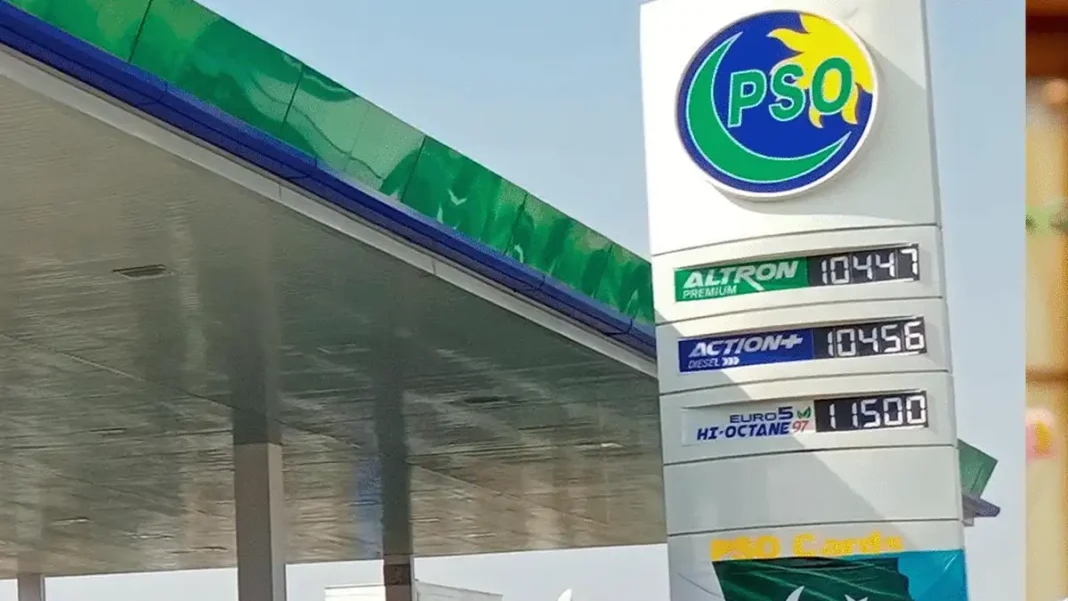
Petrol Price Cut to Rs362 in Third Daily Fall
Petrol price cut took petrol down by Rs7.06 per litre to Rs362 per litre on Wednesday, November 4, in the third consecutive sharp fall under the daily revision system.
Diesel also became cheaper, by Rs3.71 per litre to Rs387.81 per litre. The new rates apply for 24 hours, under the latest notification issued by the federal government, ProPakistani reported.
The fall follows two earlier cuts in the same week. On Tuesday, November 3, petrol fell by Rs5.45 to Rs369.06 per litre, while diesel fell by Rs3.68 to Rs391.52 per litre. On Monday, November 2, petrol stood at Rs374.51 and diesel at Rs395.20.
Petrol price cut: three days of falls
| Date | Petrol (Rs per litre) | Diesel (Rs per litre) |
|---|---|---|
| November 2 | 374.51 | 395.20 |
| November 3 | 369.06 | 391.52 |
| November 4 | 362.00 | 387.81 |
Taken together, the three days cut petrol by Rs12.51 per litre and diesel by Rs7.39 per litre. For a motorist filling a 40-litre tank, the petrol fall over those three days works out to about Rs500 less than on November 2, before any change in taxes or dealer margins at the pump.
The latest cut is the third sharp reduction since the government reverted to a new price determination formula, ProPakistani reported. The daily system replaced the older fortnightly revision, and it means pump prices can now move every day rather than twice a month.
How daily revisions have moved since July
ProPakistani’s table of daily rates shows a long climb before this week’s falls. Petrol stood at Rs310.71 per litre before daily pricing began in mid-July. It rose through the summer and autumn, and reached Rs393.86 on October 14.
Since the daily system began, petrol has risen by Rs51.29 per litre in net terms, and diesel by Rs64.51 per litre, even after the latest cuts. That longer view explains why a three-day fall, welcome as it is, still leaves prices well above their July levels.
The daily system also creates a new habit for consumers. Prices announced on one day apply for 24 hours, and the next day can bring a fresh change in either direction. Transporters, fleet owners and households that buy fuel in bulk now check the daily notice rather than planning around a fortnight.
For the government, daily pricing has a fiscal side as well. Fuel prices feed into the petroleum levy, sales tax and the cost of transport, which in turn affects food prices. A falling fuel price can ease pressure on inflation, but only if the fall holds for more than a few days and reaches the pump in full.
That last point has been a recurring concern. Petrol pumps denying relief were covered here earlier, and the authorities have repeatedly warned stations against short supply or overcharging. Consumers who find a pump charging above the notified rate can report it to the district administration and the Oil and Gas Regulatory Authority.
What the fall means for households
The immediate effect is straightforward. A commuter who uses a motorcycle or a small car will pay less per fill for as long as the lower rate holds. A family that relies on a diesel vehicle, a generator or a goods transporter will see a smaller, but still real, saving.
The wider effect depends on whether transporters pass the saving on. Bus and truck fares do not always fall at the same speed as fuel prices, and food prices respond with a lag. A single day’s cut rarely changes a fare chart, but a run of cuts can build pressure for transporters to adjust.
The government has also been weighing fuel policy alongside other energy costs. Fuel and LPG policy was discussed at cabinet level this week, with subsidised LPG for vulnerable consumers on the agenda. The petrol cut sits in that same energy picture, where global oil prices, the rupee and local levies all pull in different directions.
One caution applies. The new rates last for 24 hours only. The next daily notice could raise prices again, especially if global crude or the exchange rate moves. Readers should check the fresh notification before filling up, rather than assuming Wednesday’s rate will still apply.
For now, the direction is down for a third day in a row. That is the clearest relief motorists have had since the daily system began its autumn climb, and it will be watched closely to see whether it turns into a trend or a brief pause.
Frequently asked questions
What are the new petrol and diesel prices?
Petrol costs Rs362 per litre and diesel costs Rs387.81 per litre, after cuts of Rs7.06 and Rs3.71 respectively on November 4.
How long do the new prices last?
The rates apply for 24 hours under the daily revision system, after which a fresh notification sets the next day’s prices.
How much have prices fallen in three days?
Petrol has fallen by Rs12.51 per litre since November 2, and diesel by Rs7.39 per litre over the same three days.
Why do prices change every day now?
The government moved to daily price revisions, replacing the older fortnightly system, so pump prices track global oil and currency moves more closely.
What should I do if a pump overcharges?
Note the notified rate for the day, keep the receipt, and report the station to the district administration or the Oil and Gas Regulatory Authority.