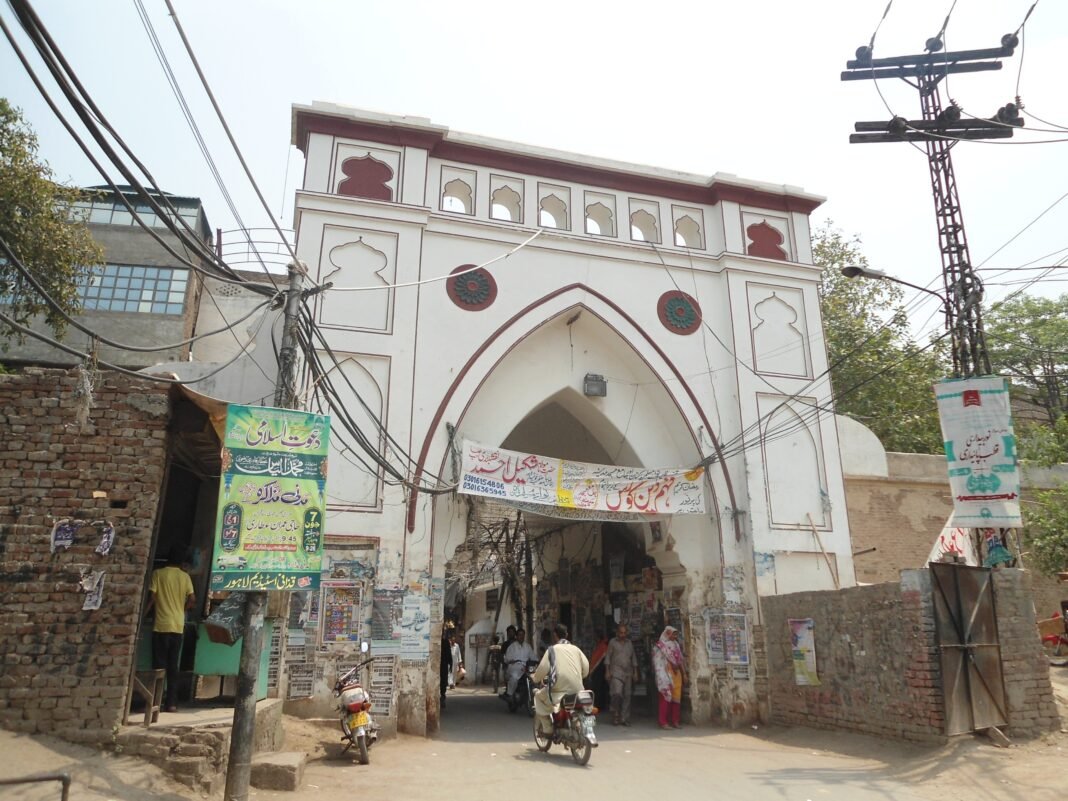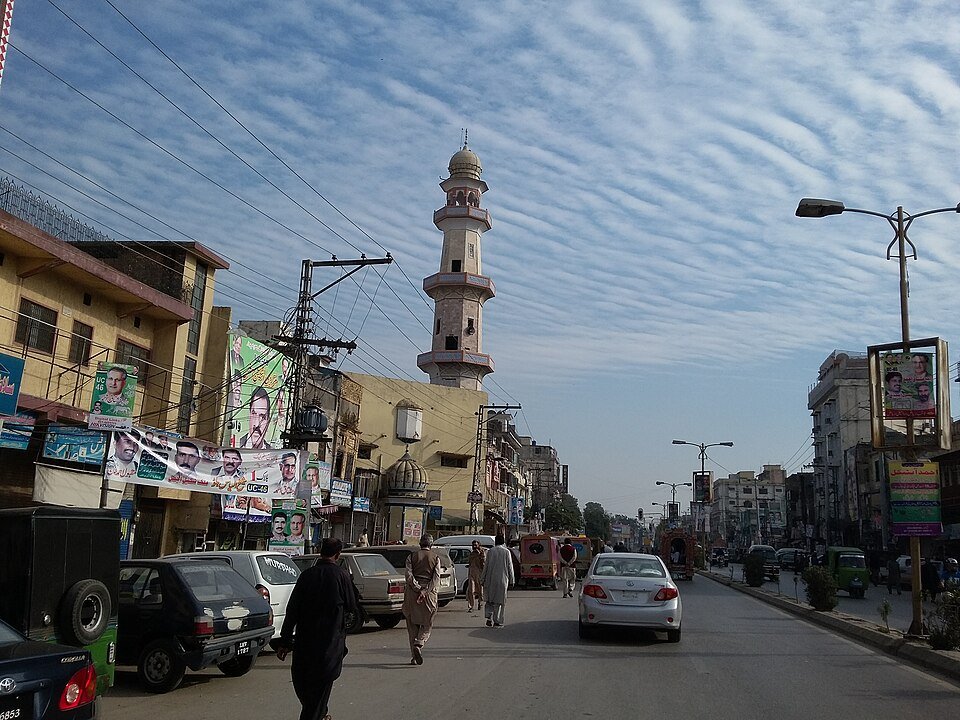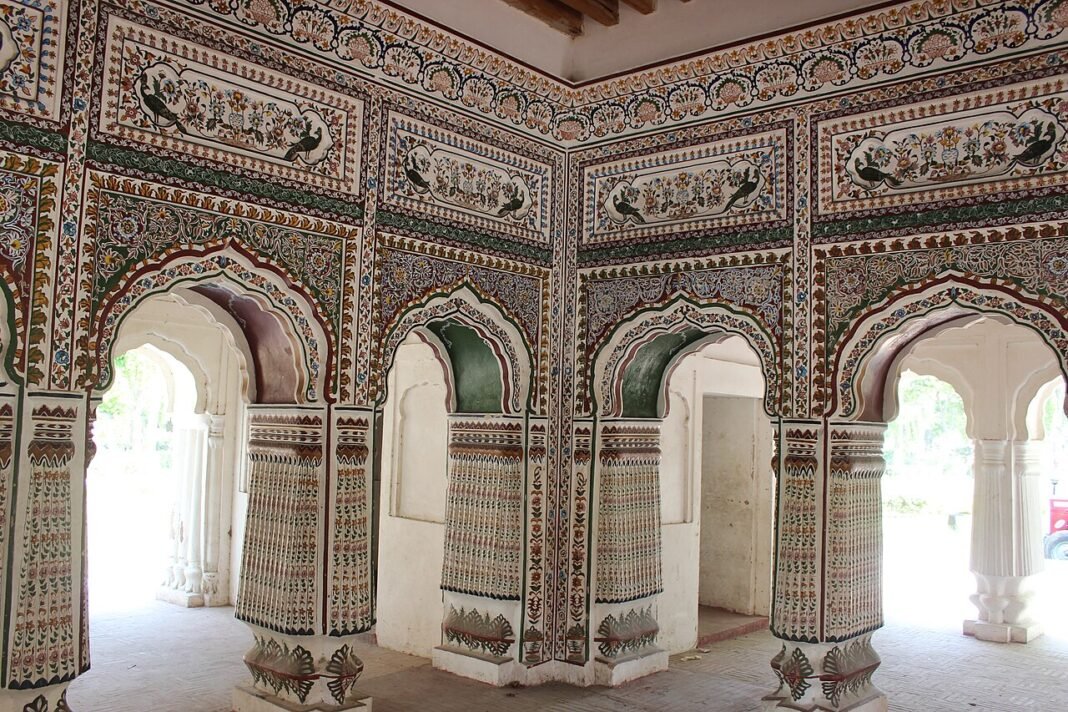
Quick Facts
- Location: Right beside the railway line near Gujranwala City railway station, Gujranwala, Punjab — just four feet from the tracks.
- Famous For: A grand 1928 shrine dedicated to Baba Sahib Singh Bedi — the revered preacher who gave Maharaja Ranjit Singh his raj tilak; one of Punjab’s largest gurdwara buildings.
- Nearest City: Gujranwala itself; Lahore is about 70–80 km to the south.
- Accessibility: Extremely easy — walkable from Gujranwala City railway station; on the main Lahore–Peshawar rail and road corridor.
- Known Landmarks: Gujranwala City railway station, Sheranwala Bagh, the Haveli of Maharaja Ranjit Singh.
- Status: Refugee families currently live in the building; the Evacuee Trust Board holds the legal title — so this is a respectful exterior visit, not an interior tour.
- Best For: Sikh heritage travellers, railway and architecture enthusiasts, and anyone tracing the Bedi lineage of Guru Nanak’s descendants.
Why Visit Gurdwara Damdama Sahib Baba Sahib Singh Bedi, Gujranwala
Every Sikh shrine in Pakistan has a story, but few are tied to a personality as remarkable as the man honoured here. Baba Sahib Singh Bedi was a direct descendant of Guru Nanak — and the spiritual guide who placed the royal tilak on the forehead of the young Ranjit Singh, effectively anointing the founder of the Sikh Empire. One historian called him “a moulder of the Sikh nation.” This great shrine in Gujranwala was built for his memory in 1928, and it remains one of the largest gurdwara buildings in Punjab.
The setting is wonderfully unusual: the shrine stands just four feet from the railway lines near Gujranwala City station. Trains rumble past one of Sikh history’s grand memorial buildings — a juxtaposition of the sacred and the everyday that photographers and railway romantics will love. Few heritage sites in Pakistan sit this close to a working railway.
We will be straight with you, as always: you cannot walk through this gurdwara the way you can others on the Sikh heritage trail. Refugee families have lived in its many rooms since Partition, and while the Evacuee Trust Board holds the legal title, the building is viewed from the outside. But that does not make the visit pointless — far from it. The sheer scale of the 1928 building, the story of Baba Sahib Singh, and Gujranwala’s rich Sikh-era surroundings (Sheranwala Bagh, Ranjit Singh’s haveli, Hari Singh Nalwa’s haveli) make this a deeply rewarding stop on a Punjab heritage circuit. Come to pay respects, to see, and to understand — and combine it with the city’s other historic corners for a full, fascinating day.
If you are tracing the Sikh story of Punjab — from Ali Baig Gurdwara to the shrines of Sialkot — this chapter, the chapter of the Bedis and the making of a Maharaja, is one you should not skip.
History of Gurdwara Damdama Sahib Baba Sahib Singh Bedi, Gujranwala
The shrine honours Baba Sahib Singh Ji Bedi, born in Samvat 1813 (about 1756 CE) to Mata Saroop Devi, in the family of Ajit Singh — son of Baba Kaladhari. The Bedis trace their line directly back to Guru Nanak himself, and Baba Sahib Singh stood eleventh in that descent. He became one of the most revered Sikh saints of his age: a selfless, dedicated preacher of the Guru’s teachings whose langar (community kitchen) ran round the clock and whose katha-kirtan (discourse and devotional music) went on continuously.
His influence on history was profound. It was Baba Sahib Singh who gave the raj tilak — the ceremonial mark of kingship — to Maharaja Ranjit Singh, advising the young chief that he was not a king over the Sikhs but a custodian of the Khalsa; the Maharaja thereafter signed his state documents as “Khalsa Sarkar” rather than in his own name. Baba Sahib Singh also persuaded the Maharaja to grant jagirs (land endowments) for the upkeep of gurdwaras, including the great endowment at Dera Baba Nanak. Principal Teja Singh, the Sikh scholar, called him “one of the greatest figures in Sikh history, a moulder of the Sikh nation.” Baba Ji died at Una on the 13th of Har Suddi, Samvat 1891 (about 1834 CE); his samadh stands at Una in Himachal Pradesh.
The Gujranwala shrine was built nearly a century after his passing. Its construction was started and completed by Sardar Bahadur Sukha Singh, president of the Damdama Sahib Committee, and later carried forward by his sons Sardar Mangal Singh and Mahan Singh, finishing on 9 October 1928. It is a very large building with innumerable rooms; the Prakash Asthan (the sanctum where the scripture was enthroned) stood between the langar hall and the many other buildings of the complex — a complete little world of Sikh institutional life.
After 1947, the shrine’s life changed completely. Refugee families settled in its rooms, and they remain there today, though the Evacuee Trust Board holds the legal title. Heritage surveys describe the building as at risk and in need of conservation. For now, the gurdwara endures as a monument you honour from the outside — a sleeping giant of Sikh architecture beside the railway line, waiting, one hopes, for restoration.
Top Things to Do in Gurdwara Damdama Sahib Baba Sahib Singh Bedi, Gujranwala
See the great 1928 building from the station side
Walk over from Gujranwala City railway station — the shrine is essentially next door, four feet from the tracks. Take in the scale of the building: its many rooms, its long facades, the langar-hall block. Remember that families live here now, so observe quietly from outside, do not peer into occupied rooms, and ask before taking photographs of people. Respectful exterior viewing is the right way to experience this site.
Reflect on the Bedi legacy
This is the place to absorb the story of Baba Sahib Singh Bedi — descendant of Guru Nanak, guide of Maharaja Ranjit Singh, the man whose counsel shaped the Sikh Empire’s founding ethos. Few single figures connect the Guru’s lineage and the Khalsa’s kingdom the way he does. Standing before his memorial shrine, that history feels close.
Walk Gujranwala’s Sikh-era quarter
The shrine is your gateway to one of Punjab’s richest Sikh-heritage clusters. Sheranwala Bagh — the late-18th-century garden with the samadhi of Mahan Singh (Ranjit Singh’s father) and its painted baradari — is nearby. So is the Haveli of Maharaja Ranjit Singh, traditionally regarded as his birthplace and conserved in a heritage project begun in 2024, and the haveli of the great general Hari Singh Nalwa. The old Shahi Bazaar ties it all together.
Watch the railway life
The Lahore–Peshawar main line runs right past the shrine. Trainspotters and photographers: the sight of expresses thundering past a 1928 gurdwara is pure Punjab — old and new in a single frame.
Famous Places In and Around Gurdwara Damdama Sahib Baba Sahib Singh Bedi, Gujranwala
- Sheranwala Bagh — the historic “garden of lions” with Mahan Singh’s samadhi and the ornate baradari; Gujranwala’s signature heritage park.
- Haveli of Maharaja Ranjit Singh — the 18th-century mansion traditionally identified as the Maharaja’s birthplace, near Sheranwala Bagh.
- Haveli of Hari Singh Nalwa — the mansion of Ranjit Singh’s legendary general, in the old city.
- Shahi Bazaar — the old bazaar quarter around the historic core.
- Gurdwara Bair Sahib and Gurdwara Baoli Sahib, Sialkot — extend the Sikh trail to nearby Sialkot; see our Gurdwara Bair Sahib guide and Gurdwara Baoli Sahib guide.
- Sialkot city — Iqbal Manzil (Allama Iqbal’s birthplace) and the city’s famous old bazaars, under an hour away.
How to Reach Gurdwara Damdama Sahib Baba Sahib Singh Bedi, Gujranwala
This is one of the easiest heritage sites in Punjab to reach: it sits on the country’s main rail and road artery, steps from a city railway station.
- From Lahore: About 70–80 km via the Grand Trunk Road or the M-11 motorway — roughly 1 to 1.5 hours by car. Trains from Lahore Junction to Gujranwala City run frequently (about 1.5–2 hours).
- From Islamabad: About 180–200 km via the M-2 motorway and GT Road — roughly 3 to 3.5 hours by car; direct trains also connect the capital region.
- From Karachi: Around 1,250 km — fly to Lahore or Sialkot, then drive or train the short hop to Gujranwala.
The nearest airport is Sialkot International (about 45–60 km); Lahore’s Allama Iqbal International is about 80 km away. Gujranwala City railway station is the landmark to aim for — the shrine stands beside the tracks just outside it. Within the city, rickshaws and ride-hailing cars cover short hops cheaply. Roads are good year-round; the monsoon (July–September) brings the usual city traffic slowdowns but no access problems.
Route Details
- Step 1: From Lahore, take the M-11 motorway or the N-5 Grand Trunk Road north to Gujranwala (both well-signposted).
- Step 2: Head for Gujranwala City railway station in the old city area — rickshaws know it as “City Station.”
- Step 3: The shrine stands right beside the railway line near the station — look for the large historic building along the tracks.
- By train: Take any Lahore–Rawalpindi/Peshawar service stopping at Gujranwala City; step off the platform and you are essentially there.
- Combine: From the station, Sheranwala Bagh and the old havelis are a short rickshaw ride — plan a half-day Sikh-heritage loop.
Where to Stay in Gurdwara Damdama Sahib Baba Sahib Singh Bedi, Gujranwala
Gujranwala is a major city, so you have real choices — though most heritage travellers simply day-trip from Lahore, barely an hour away.
- Budget: Simple hotels and guesthouses near the railway station and along the GT Road — basic rooms at budget-friendly rates.
- Mid-range: Comfortable city hotels in Gujranwala’s commercial areas with dining and parking.
- Day-trip option: Lahore’s full hotel range (Gulberg, Mall Road, DHA) is 1–1.5 hours away — the most comfortable base for a Punjab heritage circuit.
There is no reason to camp or seek farm stays here; this is an urban heritage stop. Book ahead only during wedding season and public holidays, when city hotels fill.
Where to Eat: Local Foods of Gurdwara Damdama Sahib Baba Sahib Singh Bedi, Gujranwala
Gujranwala’s reputation as a food city is well earned — locals joke that nobody leaves hungry. The old city’s eateries around the station and bazaars serve Punjabi food at its most generous.
- Barbecue and desi chicken: Gujranwala’s grill shops are famous — seekh kebabs, tikka, and desi murgh cooked in desi ghee.
- Karahi and chanay: Chicken and mutton karahi, cholay, and daal at the bazaar dhabas near the station.
- Breakfast: Halwa puri, lassi, and doodh patti to start a heritage-walk day properly.
- Sweets: The city’s mithai shops do excellent barfi and patisa — good take-home gifts.
Station-area dhabas are very budget-friendly; restaurant meals in the commercial areas cost a bit more but remain modest. As everywhere in Punjab, eat where the locals queue.
Weather in Gurdwara Damdama Sahib Baba Sahib Singh Bedi, Gujranwala
Gujranwala shares Lahore’s plains climate: hot summers, a humid monsoon, and short, pleasant winters. Since the shrine visit is outdoors and on foot, winter is by far the most comfortable season.
| Season | Temperature Range | Conditions |
|---|---|---|
| Winter (Dec–Feb) | 5–20°C | Cool and often foggy mornings; crisp afternoons — best for walking |
| Spring (Mar–Apr) | 18–33°C | Warming, pleasant; good for combining with Sialkot |
| Summer (May–Jun) | 33–45°C | Very hot; visit early morning, carry water |
| Monsoon (Jul–Sep) | 30–38°C | Humid with heavy showers; city streets can waterlog |
| Autumn (Oct–Nov) | 20–33°C | Clearing and comfortable; second-best season |
Language and Culture of Gurdwara Damdama Sahib Baba Sahib Singh Bedi, Gujranwala
Gujranwala speaks Punjabi with the region’s characteristic warmth and directness; Urdu is universal and English is understood in hotels and larger shops. The city is famous across Pakistan for its wrestlers (pehlwans), its food, and its industry — a proud, working Punjabi city.
At the shrine, remember you are visiting a place where families live: keep noise down, dress modestly, do not enter occupied rooms, and ask permission before photographing people. The building is a memorial to a revered Sikh saint — Sikh visitors in particular come to pay respects, and quiet reverence is the right tone. Gujranwala’s old city is traditional; modest dress and polite greetings open every door.
Shopping in Gurdwara Damdama Sahib Baba Sahib Singh Bedi, Gujranwala
Gujranwala is one of Pakistan’s great industrial bazaar cities — famous for ceramics, cutlery, and steel goods — and its markets reflect that. The old bazaars around Shahi Bazaar sell everyday goods, crockery, and kitchenware at wholesale-ish prices; it is genuinely worth picking up Gujranwala ceramics if you are passing through. For clothes and general shopping, the city’s modern commercial plazas serve well. As with any Punjabi bazaar, polite bargaining is expected in the old markets.
Travel Tips for Gurdwara Damdama Sahib Baba Sahib Singh Bedi, Gujranwala
Packing Essentials
Comfortable walking shoes, sun protection, a water bottle, and a scarf. This is an urban walking visit — no trekking gear needed. Bring a camera for the railway-side views of the shrine.
Safety Tips
The station area is busy and safe in daytime; as at any railway quarter, keep valuables discreet and avoid wandering onto the tracks for photographs — trains pass frequently and fast. Visit in daylight hours.
Money & Connectivity
ATMs are plentiful in Gujranwala’s commercial areas; carry cash for rickshaws and bazaar food. All mobile networks have strong coverage — this is a major city, not the backcountry.
Best Time to Visit Gurdwara Damdama Sahib Baba Sahib Singh Bedi, Gujranwala
November to March — the prime season
Cool, clear days made for walking the station quarter, Sheranwala Bagh, and the old havelis. Winter is Gujranwala’s most comfortable and most photogenic season.
March to April — spring shoulder
Pleasant temperatures and green surroundings; a good time to combine Gujranwala with Sialkot’s shrines in a two-day Sikh-heritage loop.
May to June — hot season
Visit at dawn, retreat by late morning. The shrine’s story — a saint whose langar never closed, even in the hardest times — suits a summer visit, but your body will thank you for an early start.
July to September — monsoon
Heavy showers and humid heat; the railway-side ground can get muddy. Fine for a quick exterior viewing between showers, but not the season for lingering.
Final Thoughts
Gurdwara Damdama Sahib Baba Sahib Singh Bedi is not the easiest shrine to love — you cannot walk its halls, and its grandeur is faded. But it may be one of the most important Sikh memorials in Pakistan to understand: the shrine of the saint who anointed a Maharaja, built big and proud in 1928, standing four feet from the railway line as if history itself refused to move aside for progress. Come with the story in your pocket, view it with respect, and let Gujranwala’s other Sikh-era treasures complete the day.
Pair it with Sialkot’s shrines and Lahore’s Walled City for a full Punjab Sikh-heritage circuit. Browse our Explore Pakistan collection for the rest of the trail — and if the mountains call next, Malam Jabba is waiting.
FAQs
Where is Gurdwara Damdama Sahib Baba Sahib Singh Bedi located?
Right beside the railway line near Gujranwala City railway station in Gujranwala, Punjab — about four feet from the tracks, on the Lahore–Peshawar main line.
Who was Baba Sahib Singh Bedi?
A revered Sikh saint (born Samvat 1813, about 1756 CE; died Samvat 1891, about 1834 CE), a direct descendant of Guru Nanak, famed for his round-the-clock langar — and the spiritual guide who gave Maharaja Ranjit Singh his raj tilak.
Can I go inside the gurdwara?
No — refugee families have lived in the building since Partition, and it is viewed respectfully from the outside. The Evacuee Trust Board holds the legal title.
When was the shrine built?
Construction was started by Sardar Bahadur Sukha Singh, president of the Damdama Sahib Committee, and completed by his sons Sardar Mangal Singh and Mahan Singh on 9 October 1928.
What is the best time to visit Gujranwala’s shrine?
November to March, when the weather is cool and clear — ideal for walking the station quarter and nearby Sheranwala Bagh. Avoid summer midday heat.
How do I reach it from Lahore?
About 70–80 km — 1 to 1.5 hours by car via the M-11 motorway or GT Road, or 1.5–2 hours by frequent trains to Gujranwala City station. The shrine is steps from the station.
What else is worth seeing nearby?
Sheranwala Bagh (Mahan Singh’s samadhi and baradari), the Haveli of Maharaja Ranjit Singh, Hari Singh Nalwa’s haveli, Shahi Bazaar — and Sialkot’s gurdwaras and Iqbal Manzil under an hour away.
Is this the same as Takht Damdama Sahib in India?
No. Takht Damdama Sahib at Talwandi Sabo (Bathinda, India) is one of the five Takhts, associated with Guru Gobind Singh. This Gujranwala shrine is a separate memorial dedicated to Baba Sahib Singh Bedi — do not confuse the two when planning.