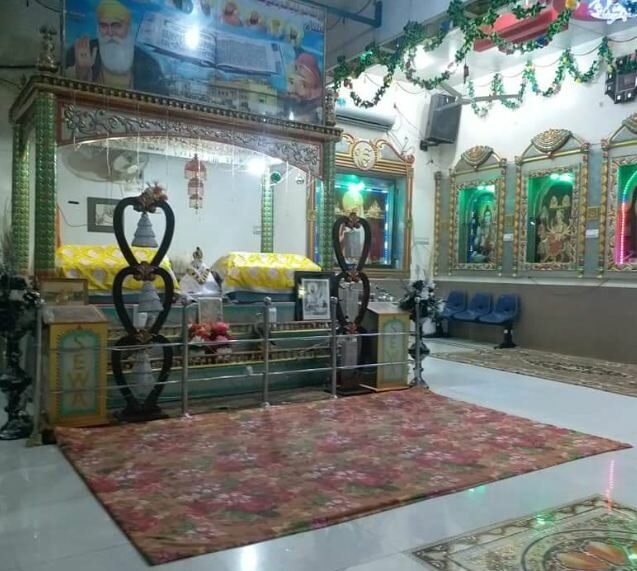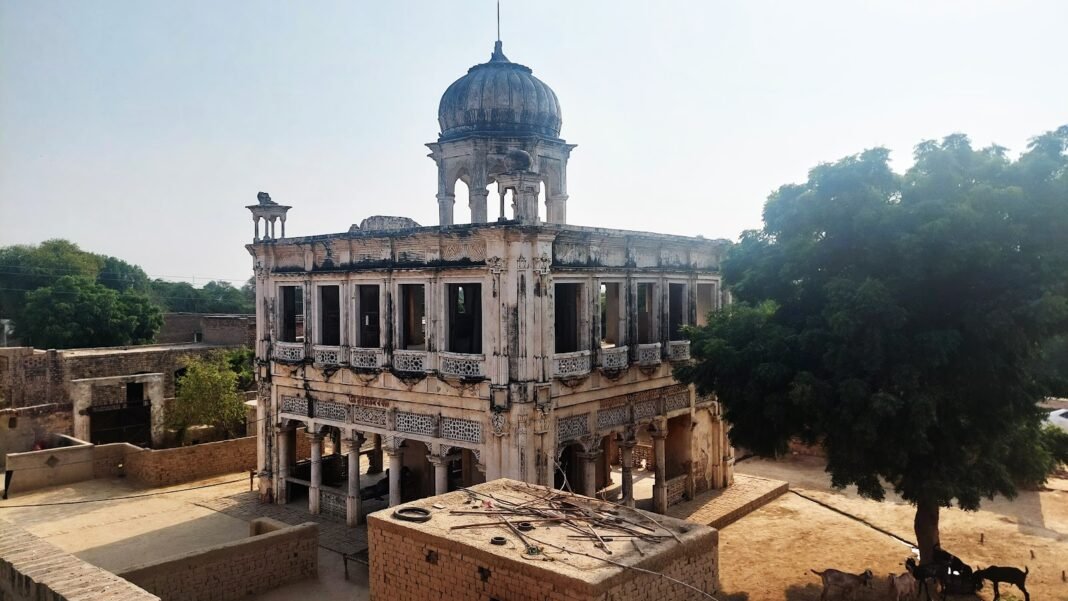
There is a village on the Pakpattan–Arifwala road whose official name is Tibba Abhor 1 EB, and in its heart stands one of the most architecturally interesting Guru Nanak shrines in Pakistani Punjab: Gurdwara Nanaksar, Tibba Abhor. A stepped baoli descends into cool darkness beside the tank. A Persian-wheel well — the old rahet — still speaks of the Punjab that was. The building is large and beautifully built, with rooms, a dining hall and domes that catch the flat-country light from far away.
This is not a tourist attraction. It is a village shrine, repaired by the Government of Pakistan in 1989, where refugee families live in the old rooms and the fields press close on every side. And that is exactly why you should go. If you have ever wanted to see the real rural Punjab — the one of tongas, tube-wells and shrine courtyards — this Gurdwara Nanaksar Tibba Abhor travel guide will show you how to do it, when to go, and what to combine it with.
Quick Facts
- Location: Tibba Abhor village (officially Tibba Abhor 1 EB) on the Pakpattan–Arifwala road, Pakpattan district, Punjab, Pakistan
- Altitude: Low Punjab plains
- Famous For: A large, beautifully built Guru Nanak shrine with a stepped baoli, a Persian-wheel well, and a tank — repaired by the Government of Pakistan in 1989
- Nearest City: Pakpattan, about 30 km away (get off the bus at the Rang Shah stop and hire a tonga)
- Accessibility: Bus to Rang Shah on the Arifwala road, then tonga to the village; nearest airports are Lahore (about 190 km) and Multan (about 220 km)
- Known Landmarks: The baoli (stepped well), the Persian-wheel well, the tank, the domed shrine building
- Best For: Offbeat heritage travellers, photographers, rural-Punjab explorers, and Sikh heritage pilgrims
Why Visit Gurdwara Nanaksar, Tibba Abhor
Most heritage travel in Punjab follows the famous names — Lahore Fort, Nankana Sahib, Kartarpur. Tibba Abhor is the other Punjab: the village Punjab, where history sits quietly in the fields and nobody is selling you a ticket. The gurdwara here is genuinely worth the detour for its architecture alone. The old heritage survey calls it “very big and beautifully built,” and lists its features like an inventory of old Punjab: a number of rooms, a dining hall, a well with a Persian wheel, and a baoli — a deep well with steps — built by the beautiful tank outside the gurdwara, all adding grace to the elevation of the building. Step-wells are rare in this part of Punjab, and this one, with its stairs descending to the water, is a photographer’s dream.
The shrine also carries the weight of Partition history in a very human form. Many refugee families are settled in the rooms of the gurdwara — people whose parents or grandparents crossed from Indian Punjab in 1947 and made their homes in the shrine’s chambers. A big jagir in the shrine’s name lies in the neighbouring villages, and the village itself gave 12 ghumaon of land to the gurdwara. The building is in good condition because the Government of Pakistan had it repaired in 1989 — one of the better conservation outcomes among the region’s smaller shrines. You are visiting a place that the state, the village and the resident families have all, in their own way, kept alive.
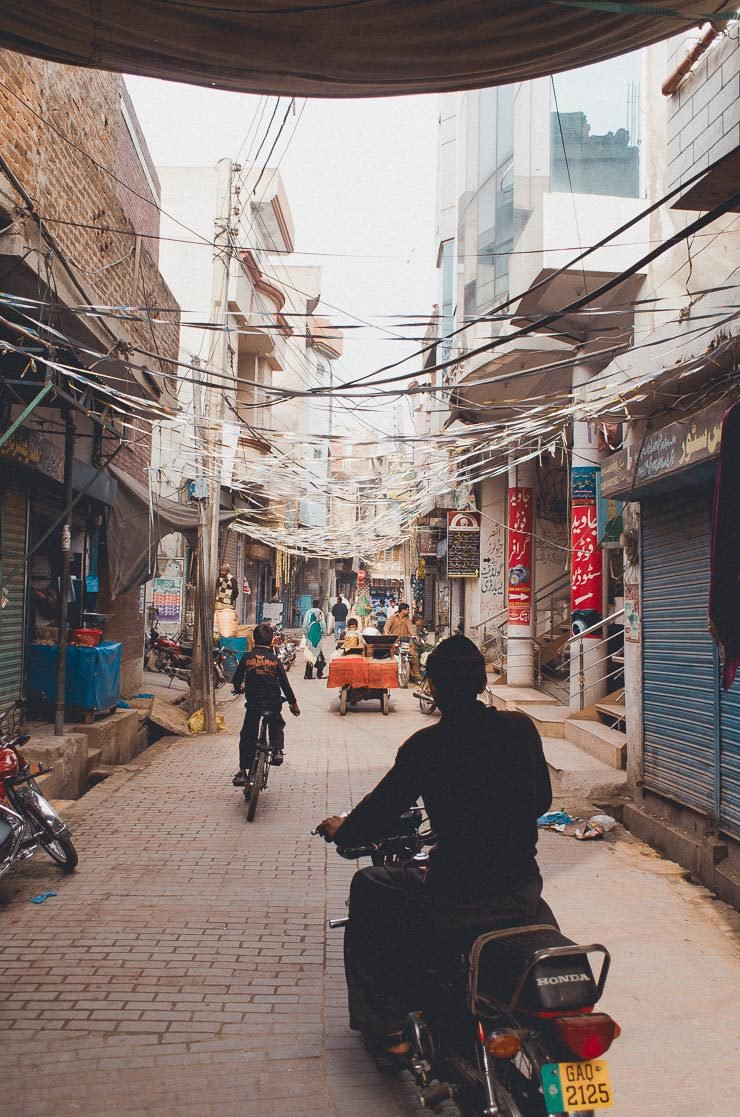
Then there is the journey, which is half the pleasure. You ride a bus 30 km from Pakpattan to the Rang Shah stop, hire a tonga, and clip-clop through the fields to a village gathered around an ancient tibba — a mound scattered with old graves and broken pottery, the kind of place archaeologists dream about. The shrine’s dome appears over the rooftops. There is no gift shop, no crowd, no performance. There is just the building, the water, the fields, and whatever conversation you strike up. Travellers who collect these unvarnished experiences will rank this among their favourite Punjab stops.
This destination is perfect for the second or third day of a Pakpattan circuit — pair it with the Gurdwara Nanaksar in Pakpattan city and Baba Farid’s shrine for a full spiritual-heritage weekend. November to March gives you the cool, golden light this landscape deserves.
History of Gurdwara Nanaksar, Tibba Abhor
The shrine at Tibba Abhor belongs to the sacred geography of Guru Nanak’s travels through the Pakpattan region. The village sits in the cultural orbit of Baba Farid’s Pakpattan, and like the other Nanaksar shrines of this belt, it commemorates the Guru’s presence in an area where Sikh and Sufi histories intertwine. The old survey records it as a major establishment: many rooms, a dining hall (the langar hall), agricultural endowments running into a large jagir across neighbouring villages, and 12 ghumaon granted by the village itself — the profile of a shrine that once fed travellers and anchored the local community.
The architecture tells its own story. The baoli — the stepped well by the tank — is a classic feature of historic Punjabi religious complexes, providing cool water and a place for ritual bathing; the Persian-wheel well (rahet) beside it represents the irrigation technology that made this canal-colony region bloom in the late 19th and early 20th centuries. The domed, multi-room complex with its dining hall follows the mature gurdwara plan: worship, water, food and shelter for travellers under one roof.
A fair used to be held here on the 1st of Katak (a month in the Punjabi calendar falling in autumn), drawing the countryside to the shrine — a reminder that these buildings were festival grounds as well as prayer halls. Partition scattered the Sikh sangat, and refugee families moved into the rooms, as they did at shrines across West Punjab. What distinguishes Tibba Abhor is what happened next: in 1989 the Government of Pakistan repaired the building, and the survey records it as being in good condition — a rarer fate than most village shrines received. The families remain, the fields remain, and the baoli still holds its water.
The village’s setting adds another layer. The “tibba” itself — the ancient mound beside the settlement, littered with old graves and pottery shards — hints at habitation far older than the shrine, the way so many Punjab villages sit atop centuries of earlier lives. Nobody has excavated it; it simply waits, as village tibbas do, keeping its secrets under the wheat.
Top Things to Do in Gurdwara Nanaksar, Tibba Abhor
Descend the baoli
The stepped well by the tank is the architectural highlight. Walk down the steps slowly — the temperature drops, the light changes, and you understand why these structures were the cool heart of every old complex. Photograph it in the morning when the sun angles into the stairwell. Watch your step; the old stairs can be worn and slippery.
See the Persian-wheel well
The rahet — the Persian wheel with its chain of pots — is a piece of living agricultural history. These wheels, turned by bullocks or later by motors, lifted water from wells to the fields for centuries across Punjab. Seeing one beside a shrine tank connects the sacred and the agricultural in exactly the way old Punjab understood them.
Take the tonga from Rang Shah
Do not skip this. The tonga ride from the Rang Shah bus stop to the village is the definitive rural-Punjab experience — slow, open to the air, with the fields sliding past. Agree the fare before you board, as you would anywhere. It is also the most practical way in: the village is off the main road.
Walk the village and the tibba
Tibba Abhor is a working agricultural village. Walk its lanes respectfully, greet people, and climb the old tibba mound beside the settlement — the ancient graves and pottery fragments scattered there are a quiet, unexcavated archaeology. Do not remove anything; look, photograph, and leave everything as you found it.
Combine with Pakpattan city
The shrine makes most sense as part of a Pakpattan circuit: Baba Farid’s shrine and the old city in town, the Nanaksar tank at the college, Tibba Nanaksar Sahib on its mound, and Tibba Abhor village. Two days covers it all comfortably, with Pakpattan city as your base.
Famous Places In and Around Gurdwara Nanaksar, Tibba Abhor
- The baoli and Persian-wheel well — the shrine’s signature architectural features, by the tank
- The ancient tibba mound — beside the village, scattered with old graves and pottery
- Rang Shah stop — the bus stop 30 km from Pakpattan where the tonga journey begins
- Arifwala — the market town further along the road, about 32 km from Pakpattan
- Pakpattan city — Baba Farid’s shrine, the old Ajodhan quarters and the Nanaksar tank (see our Gurdwara Nanaksar, Pakpattan travel guide and Gurdwara Nanaksar, Harappa travel guide)
How to Reach Gurdwara Nanaksar, Tibba Abhor
The shrine is genuinely rural — there is no direct public transport to the village gate. The standard approach is bus to Rang Shah, tonga to Tibba Abhor, and your own feet from there. Plan it as a half-day excursion from Pakpattan city.
- From Lahore: About 190 km to Pakpattan (3–3.5 hours via Okara and Depalpur), then 30 km by bus toward Arifwala to the Rang Shah stop, then a tonga to the village. Start early to do it in a day.
- From Islamabad: Via Lahore, roughly 8 hours total — overnight in Lahore or Pakpattan and visit the next morning.
- From Karachi: Fly to Lahore or Multan, then drive. From Multan, reach Pakpattan via Sahiwal (about 220 km) and continue to Rang Shah.
Nearest airport: Allama Iqbal International Airport, Lahore (about 190 km to Pakpattan); Multan International Airport (about 220 km). Road conditions: The Pakpattan–Arifwala road is paved and serviceable; the village link from Rang Shah is a rural track best done by tonga or on foot. Winter fog can slow the early bus. Transport options: Buses and vans run Pakpattan–Arifwala through the day; tongas wait at Rang Shah; a private car with a driver from Pakpattan is the most flexible option for combining several sites.
Route Details
- Reach Pakpattan city from Lahore (via Okara–Depalpur) or Multan (via Sahiwal).
- From Pakpattan, board a bus or van heading toward Arifwala.
- Get off at the Rang Shah stop, about 30 km from Pakpattan.
- Hire a tonga at Rang Shah for the ride to Tibba Abhor village (officially Tibba Abhor 1 EB).
- The gurdwara stands in the heart of the village — ask any villager; everyone knows it.
Where to Stay in Gurdwara Nanaksar, Tibba Abhor
There is no accommodation in Tibba Abhor village itself — this is a half-day excursion, not an overnight stop. Base yourself in Pakpattan city, 30 km away, where budget and mid-range hotels and guesthouses cluster near Baba Farid’s shrine and the main bazaar. The hotels are simple, clean and affordable; book ahead during the urs, when the city fills. For more comfort, Sahiwal (about 75 km from the village via Pakpattan) has better mid-range options. Most travellers do Tibba Abhor as a morning trip from Pakpattan and are back in the city for lunch.
Where to Eat: Local Foods of Gurdwara Nanaksar, Tibba Abhor
Eat in Pakpattan before you set out — there are no restaurants in Tibba Abhor. The city’s shrine-area dhabas serve the Punjabi classics: daal, mixed sabzi, fresh tandoori roti, and chai by the glassful, at prices that barely register. In winter, look for saag and makki di roti; year-round, the lassi and dahi from local dairies are excellent. Pack water and snacks for the village trip — the tonga ride, the baoli and the tibba walk will make you thirsty, and there is nothing to buy at the shrine. If a village family offers you tea, accept it; hospitality is the local religion, and refusing is the only rude option.
Weather in Gurdwara Nanaksar, Tibba Abhor
The village sits on the same low plains as Pakpattan, with the same rhythm: cool winters, blazing summers, a humid monsoon. November to March is the window — cool air, golden light on the fields, and comfortable tonga rides.
| Season | Temperature Range | Conditions |
|---|---|---|
| Winter (Dec–Feb) | Around 6–20°C | Cool and clear with morning fog; ideal for the village trip |
| Spring (Mar–Apr) | Around 16–30°C | Pleasant; fields green, light excellent for photography |
| Summer (May–Jul) | Around 36–45°C | Extremely hot; the open tonga ride would be punishing |
| Monsoon (Jul–Sep) | Around 28–38°C | Humid with heavy rain; village tracks get muddy |
| Autumn (Oct–Nov) | Around 18–30°C | Drying out; the historic Katak fair season, a fine shoulder period |
Language and Culture of Gurdwara Nanaksar, Tibba Abhor
Punjabi is the language of the village, with Urdu understood by most adults — a few words of Punjabi greeting will earn you immediate warmth. This is conservative rural Punjab: dress modestly (cover shoulders and knees), ask permission before photographing people or entering the shrine’s rooms (families live there), and accept offered tea or food graciously. Remove shoes if you enter any prayer space. Women travellers should consider travelling with a companion and will find a headscarf useful. The village’s rhythm follows the fields and prayer times; midday is quiet, mornings and late afternoons are when life happens. If you are offered a look inside the baoli or the old rooms, treat it as the privilege it is.
Shopping in Gurdwara Nanaksar, Tibba Abhor
There is nothing to buy in Tibba Abhor, and that is a feature, not a bug. Do your shopping in Pakpattan city on the way back: shrine-area devotional goods, traditional sweets, cloth and khussas in the old bazaars, all at village-town prices. Arifwala, further along the road, is a larger market town with a wider range of everyday goods. There are no malls anywhere near the village — the nearest modern shopping is in Sahiwal. The real souvenir from Tibba Abhor is the photographs of the baoli and the memory of the tonga ride.
Local Events and Festivals
The old survey records that a fair used to be held at this shrine on the 1st of Katak — the autumn month of the Punjabi calendar — when the countryside would gather at the tank and the shrine. While the fair belongs to the shrine’s past, the season it fell in (October–November) remains one of the loveliest times to visit. For Sikh visitors, Guru Nanak Gurpurab in November is the most significant occasion at Guru Nanak shrines across Punjab, and Baisakhi in April is the year’s other great Sikh festival. In nearby Pakpattan city, the urs of Baba Farid in Muharram transforms the whole district into a festival — time your circuit to catch it, and book ahead. More seasonal journeys are in our Explore Pakistan collection.
Travel Tips for Gurdwara Nanaksar, Tibba Abhor
Packing Essentials
Sturdy walking shoes for the village tracks and the baoli steps, sun protection, and more water than you think you need. A light shawl for winter mornings and for modesty at the shrine. Small-denomination cash for the bus, the tonga (agree the fare first) and snacks. A power bank — there is nowhere to charge in the village.
Safety Tips
The village is safe and welcoming in daylight; go in the morning and plan to be back at Rang Shah well before dusk. Travel with a companion if possible. Do not climb into unsafe sections of old structures, and keep children away from the baoli’s edge and the well. Let your Pakpattan hotel know your plans.
Money & Connectivity
There are no ATMs or shops in Tibba Abhor — carry everything you need from Pakpattan. Mobile signals from the major networks generally reach the village, but data can be patchy; download offline maps before you go. Cash only, everywhere on this trip.
Best Time to Visit Gurdwara Nanaksar, Tibba Abhor
Winter (November to March) — the best season
Cool, clear days with golden light on the fields — perfect for the tonga ride, the baoli photography and the village walk. The heritage survey’s November-to-March recommendation is spot on.
Spring (March to April) — good
Still pleasant, with green wheat fields making the landscape photogenic. Start early to enjoy the coolest hours.
Summer (May to July) — avoid
With temperatures toward 45°C and no shade on the tonga track, summer is the wrong season for this trip. If you must, go at dawn.
Monsoon and Autumn (July to October) — mixed
Monsoon mud makes the village tracks difficult; October dries out and November brings back the ideal conditions — and echoes of the old Katak fair season.
Final Thoughts
Gurdwara Nanaksar, Tibba Abhor is the Punjab that does not make the postcards — and that is precisely its gift. A stepped baoli holding cool water, a Persian wheel remembering the old agriculture, a dome over village rooftops, families living their lives inside a shrine’s rooms, and a tonga ride through fields to get there. It asks a little effort and repays it many times over.
Pair it with Pakpattan’s Sufi shrines and the other Nanaksar sites of the region, and you will have seen a Punjab most travellers never meet — the devotional, agricultural, unhurried heart of the province. More journeys into that Punjab are waiting in our travel features.
FAQs
Where is Gurdwara Nanaksar, Tibba Abhor located?
In Tibba Abhor village (officially Tibba Abhor 1 EB) on the Pakpattan–Arifwala road. Take a bus 30 km from Pakpattan to the Rang Shah stop, then a tonga to the village.
What is the best time to visit Gurdwara Nanaksar, Tibba Abhor?
November to March — cool, clear weather ideal for the tonga ride and exploring the shrine and baoli.
How do I reach Gurdwara Nanaksar, Tibba Abhor?
From Lahore (about 190 km) or Multan, reach Pakpattan city first, then bus toward Arifwala to Rang Shah (30 km), then tonga to the village.
Is it safe for tourists and families?
Yes, in daylight — the village is welcoming. Go in the morning, keep children away from the well and baoli edges, and return before dusk.
Is it suitable for families with children?
Yes, with supervision — children love the tonga ride and the baoli steps. It is not wheelchair-accessible.
Where can I stay near the gurdwara?
There is no lodging in the village; stay in Pakpattan city (30 km), which has budget and mid-range hotels.
What local food should I try?
Eat in Pakpattan before the trip — shrine-area dhabas, traditional sweets, winter saag and makki di roti. Carry water and snacks to the village.
What makes this gurdwara unique?
Its stepped baoli and Persian-wheel well beside the tank — rare surviving features — plus the fact that it is a living village shrine: repaired by the government in 1989, with refugee families still residing in its rooms and a tonga ride to reach it.