Quick Facts
- Location: Bumburet Valley, Lower Chitral District, Khyber Pakhtunkhwa, Pakistan
- Famous For: The “House of the Kalasha People” — a museum of 1,300–1,500 ethnological objects preserving the culture of the Kalash, one of Asia’s most distinctive indigenous communities
- Nearest City: Chitral town, roughly 35–40 km away via Ayun
- Accessibility: Jeep track from Chitral through Ayun into Bumburet; best visited May–October. The museum is open to visitors; check timings locally
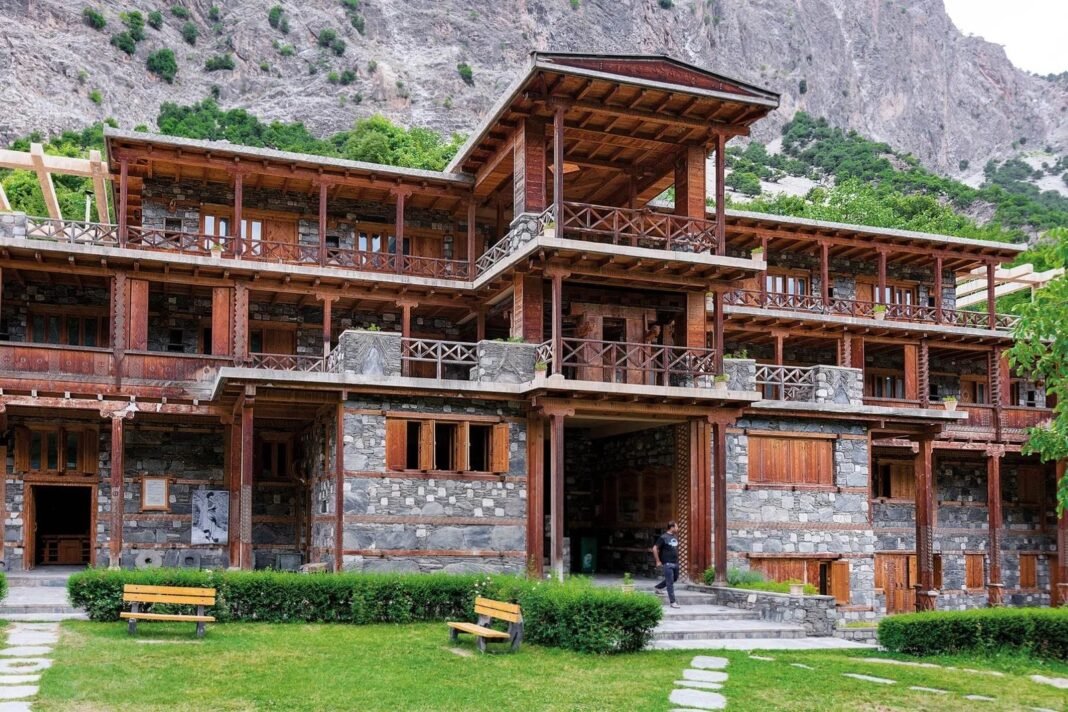
- Known Landmarks: The museum building (traditional stone-and-timber architecture), the shrine of the goddess Jestak at its entrance, and the living Kalash villages of Bumburet around it
- Best For: Culture travellers, photographers, anthropology enthusiasts, and anyone seeking Pakistan’s most unique community
Why Visit Kalasha Dur Museum, Bumburet
There are museums you walk through, and there are museums you walk out of changed. The Kalasha Dur Museum — Kalasha Dur means “House of the Kalasha People” — is the second kind, because the culture it preserves is still alive in the villages outside its doors. Step out of the gallery and into Bumburet, and the embroidered black robes, the beadwork, the wooden architecture you just saw in the display cases are being worn, made, and lived in by the people passing you on the path.
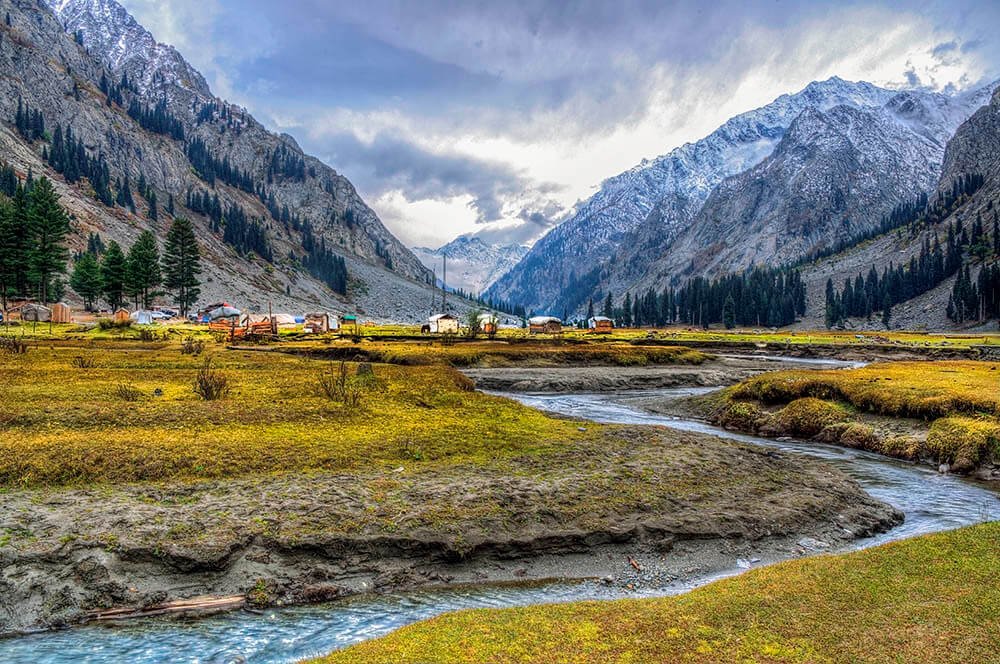
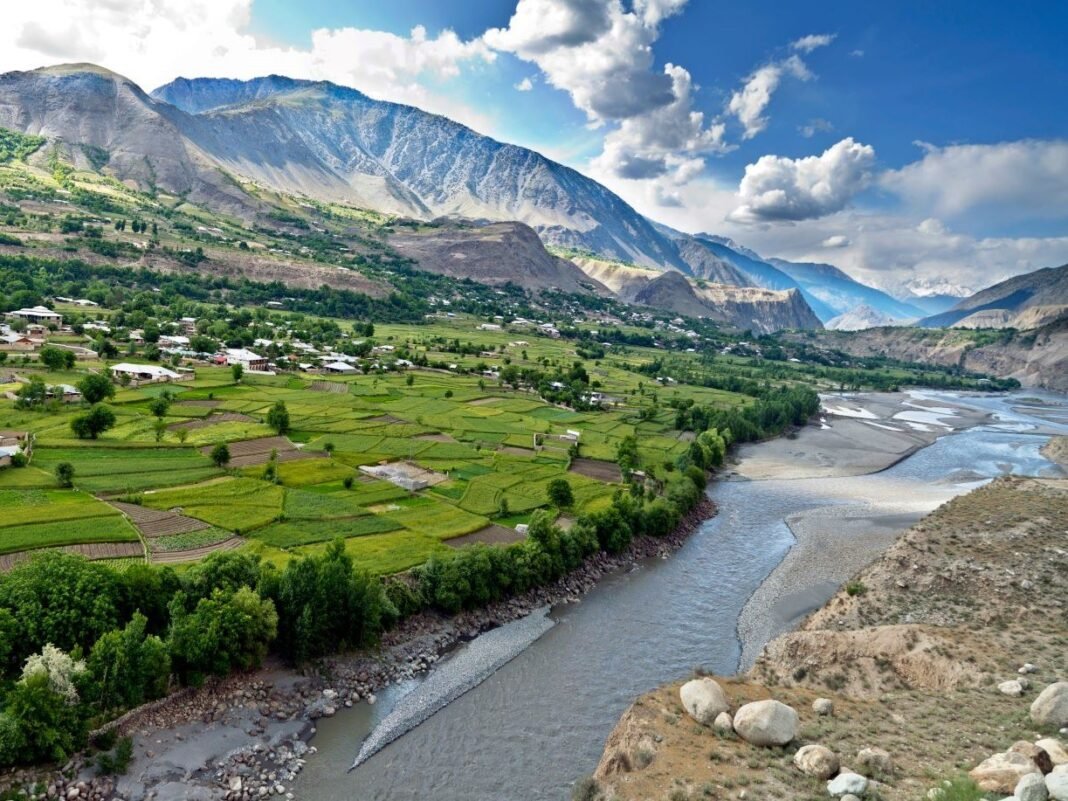
The Kalash are unlike any other community in Pakistan. Tucked into three valleys of the Hindu Kush — Bumburet, Rumbur, and Birir — they have kept their own language, their own dress, their own music and festivals, and a spiritual tradition entirely their own, surrounded by a very different wider region. Whether or not you believe the famous theory linking them to the soldiers Alexander the Great left behind, standing among them feels like meeting a people history forgot to erase.
The museum itself is a remarkable story. Built between 2001 and 2005 with the help of Greek volunteers led by the teacher Athanasios Lerounis and funding from the Greek government’s Hellenic Aid, it gathers some 1,300 to 1,500 objects — weapons, tools, dresses, musical instruments, photographs, and documents — into a beautiful stone-and-timber building in the heart of Bumburet. Its second floor houses a school of Kalasha culture and a library, so the museum doesn’t just display heritage; it teaches it to the next generation.
Visit because this is one of the few places in Pakistan where tourism, done respectfully, directly helps a small indigenous community keep its identity alive. Come for the museum, stay for the valley — the festivals, the music, the mountain light — and leave understanding why travellers call the Kalash valleys the most unforgettable corner of the country.
History of Kalasha Dur Museum, Bumburet
The museum is young; the culture it guards is ancient. The Kalasha are regarded as one of Asia’s oldest peoples, a Dardic community whose elders are believed to have migrated to these Hindu Kush valleys centuries ago — some traditions say during the era of Alexander the Great’s campaigns in the 4th century BC. Their folk songs still speak of Tsiyam, a ancestral homeland they remember in verse. Modern genetics has added intrigue: a widely reported 2014 analysis found the Kalasha carry DNA from an ancient European population, the result of a mixing event dated somewhere between 990 BC and 210 BC — which keeps the Alexander-descent theory alive without settling it.
What is certain is that the Kalasha way of life has been under pressure for generations — from religious change, economic hardship, and the sheer pull of the modern world. By the 1990s, Greek volunteers working in the Kalash valleys since 1995, led by the mountaineer-turned-teacher Athanasios Lerounis, began systematically collecting objects and stories before they disappeared. That grassroots rescue became a building: construction of the Kalasha Dur Museum started in 2001 with support from Hellenic Aid, and the museum opened in 2005.
The architecture honours its subject. The museum and its grounds cover about four kanals of land; concrete framework is faced with traditional stonework, with the characteristic parallel wooden beams and carved verandas of the region. Near the entrance stands a small temple dedicated to Jestak, the local goddess believed to protect future generations — a reminder that this is a living culture’s house, not a warehouse of dead things.
Today the museum is owned by the Directorate of Archaeology and Museums of the Khyber Pakhtunkhwa government and run with the help of a local volunteer committee. The ground floor holds the ethnological collection — dresses, weapons of stone, wood and metal, agricultural tools, household objects — while the second floor carries the mission forward: a school of Kalasha culture, a library of books on the valley, and a professional training hall where local craftsmen learn and teach. In a sign of growing state recognition, the KP government has even approved dedicated family-law legislation for the Kalash community — the first of its kind for an indigenous group in Pakistan.
Top Things to Do in Kalasha Dur Museum, Bumburet
Tour the Ground-Floor Galleries
Start with the ethnological collection: traditional Kalash men’s and women’s dress, hunting and agricultural tools, weapons, musical instruments, and household objects, alongside rare photographs and documents chronicling Kalash social life. The labels and displays give you the vocabulary — the names of garments, tools, and rituals — that will make the villages outside suddenly legible.
Visit the Culture School and Library Upstairs
The second floor is the museum’s beating heart: a school of Kalasha culture, a library of books on the valley’s heritage, and a training hall for local craftsmen. If classes or workshops are in session, watching young Kalash learn their own traditions is as moving as any exhibit.
Pay Respects at the Jestak Shrine
The small temple near the entrance honours Jestak, the goddess of hearth and home who protects generations. It is an active sacred spot — observe quietly, don’t touch offerings, and ask before photographing.
Walk Into Living Bumburet
The museum is the prologue; the valley is the book. Walk the village paths of Bumburet past traditional wooden houses with their carved verandas, meet shopkeepers and guides, and see the crafts from the museum being made and worn. Hire a local Kalash guide — it transforms the experience and puts money directly into the community. See our Bumburet Valley travel guide for the wider valley.
Photograph Responsibly
The Kalash — especially the women in their spectacular embroidered dress and beaded headdresses — are among the most photographed people in Pakistan. That is exactly why you should slow down: always ask permission, accept “no” gracefully, and consider buying a craft or hiring a guide rather than treating people as photo subjects.
Time Your Visit for a Festival
If you can, plan around one of the three great Kalash festivals — Joshi in spring, Uchau at harvest, Chawmos at the winter solstice (see Local Events below). The museum visit gains an entirely new dimension when the valley outside is dancing.
Famous Places In and Around Kalasha Dur Museum, Bumburet
- Bumburet Valley villages: The living Kalash settlements around the museum — see our Bumburet Valley guide.
- Rumbur and Birir Valleys: The other two Kalash valleys, quieter and less visited than Bumburet.
- Ayun: The gateway town where the Bumburet road leaves the Chitral valley, with its own fort and scenery.
- Chitral Town: Shahi Mosque, Chitral Fort, and the bazaar — see our Chitral travel guide.
- Chitral Gol National Park: Markhor country, a day trip from Chitral town.
How to Reach Kalasha Dur Museum, Bumburet
The journey is part of the adventure. From Islamabad, the route runs west to Peshawar and then north through the Lowari Tunnel to Chitral — approximately 470 km, roughly 10–12 hours by road. The Lowari Tunnel has made Chitral accessible year-round, a transformation for what was once a valley cut off every winter. From Lahore, add roughly 380 km (via the motorway to Peshawar); from Karachi, fly to Islamabad or Peshawar and drive — the road journey from Karachi exceeds 1,700 km.
From Chitral town, the road to Bumburet runs south through Ayun — about 35–40 km, roughly 1.5–2 hours by jeep. The Ayun–Bumburet stretch is a rough, narrow mountain track; hire a local 4×4 with a driver who knows it. The museum sits in the valley within easy reach of the main village track — any local will point you to “Kalasha Dur.”
The nearest airport is Chitral, served by PIA flights from Islamabad that are famously weather-dependent — have a road backup plan. Public transport options include NATCO and private coaches from Islamabad/Rawalpindi to Chitral, then local jeeps to Bumburet. The most comfortable option remains a private car or hired 4×4 with a driver for the whole loop.
Route Details
- Islamabad → Chitral: M-1 to Peshawar, then N-45 north via Dir and the Lowari Tunnel to Chitral town. Approx. 470 km, 10–12 hours. Start early; the mountain stretch is slow.
- Chitral → Ayun → Bumburet: South from Chitral town to Ayun, then the jeep track into Bumburet Valley. Approx. 35–40 km, 1.5–2 hours. Hire the jeep in Chitral or Ayun.
- At the museum: The Kalasha Dur Museum is in central Bumburet, near the main village path. Opening hours vary — confirm locally, and aim for morning or afternoon rather than midday.
- Return: Most visitors spend 2–3 nights in the Kalash valleys (Bumburet plus a day in Rumbur or Birir) before returning to Chitral.
Where to Stay in Kalasha Dur Museum, Bumburet
Bumburet has a genuine — if simple — tourism infrastructure, built up over decades of visitors coming for the festivals.
Guesthouses in Bumburet: Family-run guesthouses and small hotels cluster in the valley’s main villages, offering clean rooms, home-cooked food, and unbeatable local knowledge. Staying with a Kalash or Chitrali family is the single best way to understand the valley — book ahead during festival weeks (May, August, December), when the valley fills up.
Ayun and Chitral town: For more conventional hotels, Ayun has comfortable options on the river, and Chitral town offers the widest range — from budget lodges to the best rooms in the district. Many travellers base in Chitral and day-trip to Bumburet, though staying in the valley itself is far more rewarding.
Camping: There are no formal campsites at the museum. Some guesthouses can arrange camping on private land — agree terms in advance and keep the site spotless. Wild camping without local permission is not appropriate in these small, close-knit valleys.
Where to Eat: Local Foods of Kalasha Dur Museum, Bumburet
Eat Chitrali food while you’re here — it is distinct from the Punjabi and Pashtun cuisines most Pakistanis know. The valleys’ signature dishes include shoshp, a hearty handmade-noodle dish; zholai; ghalmandi (layered flatbread with cheese and walnuts); and pander muzhi, the local cheese that appears in various forms. Walnuts, mulberries, and apricots — dried and fresh — are the valley’s natural wealth, and Chitrali honey is excellent.
In Bumburet, guesthouses serve home-style meals — often the best food you’ll have on the trip — and small hotels and dhabas along the main track offer simple Pakistani-Chinese staples alongside local dishes. Qehwa (green tea) is the default drink; the local walnut oil and apricot products are worth buying as well as tasting. Meals are budget-friendly; a full home-cooked dinner at a guesthouse costs little by city standards.
One cultural note: the Kalash traditionally brew their own drinks for festivals, but alcohol is not served to tourists and shouldn’t be requested — respect the community’s boundaries.
Weather in Kalasha Dur Museum, Bumburet
Bumburet sits in the Hindu Kush foothills with a classic mountain-valley climate — and Chitral is famous for surprisingly hot summers down in the main valley. Approximate conditions for the Kalash valleys:
| Season | Temperature Range (approx.) | Conditions |
|---|---|---|
| Winter (Dec–Feb) | -5 to 8°C | Cold with snow at higher elevations; the Chawmos festival lights up December. The Lowari Tunnel keeps Chitral connected, but valley tracks can be icy. |
| Spring (Mar–May) | 10 to 22°C | Blossom, green fields, and the Joshi spring festival in May — many call this the finest season. |
| Summer (Jun–Aug) | 18 to 32°C | Warm days, the Uchau harvest festival in August, and the easiest road conditions. Peak visitor season. |
| Autumn (Sep–Nov) | 8 to 22°C | Harvest colours and clear air; a beautiful, quieter shoulder season before winter sets in. |
Language and Culture of Kalasha Dur Museum, Bumburet
The Kalash speak Kalashamondr (the Kalasha language), a Dardic Indo-Aryan tongue found nowhere else on earth. In the wider Chitral region, Khowar is the lingua franca, and Urdu is understood in the bazaars, hotels, and by guides. Learning a greeting in Kalashamondr — your guide will teach you — earns enormous goodwill.
Culturally, the Kalash are unique in Pakistan: their traditional religion, with its gods, spirits, festivals of music and dance, and distinctive dress — the women’s black embroidered robes and heavy beaded headdresses, the men’s woollen caps — sets them entirely apart. They are a tiny community, numbering only a few thousand, and they are acutely aware of being watched. The golden rule is respect: dress modestly, ask before photographing anyone, don’t intrude on rituals or festivals, don’t offer alcohol, and listen more than you talk.
Responsible tourism here is not a slogan — it is the difference between a community that welcomes visitors and one that closes its doors. Hire Kalash guides, buy Kalash crafts at fair prices, stay in locally run guesthouses, and leave the valleys cleaner than you found them.
Shopping in Kalasha Dur Museum, Bumburet
The craft shops of Bumburet are among the best reasons to linger. Look for Kalash beadwork and embroidered caps, handwoven textiles and waistcoats, walnut-wood carvings, and traditional jewellery — much of it made by the families selling it. Honey, dried mulberries, apricots, and walnuts are the edible souvenirs, sold in the village shops.
Buy directly from makers where possible and pay fair prices without aggressive haggling — these crafts support households, not factories. Chitral town’s bazaar offers a wider selection of Chitrali caps, woollens, and gemstones. There are no shopping malls in the Kalash valleys, and none are needed.
Local Events and Festivals
The Kalash festival calendar is the cultural heartbeat of these valleys — and a legitimate reason to plan your whole trip around a date.
- Joshi (May): The spring festival, celebrating the new season with days of dancing, music, and processions through the villages. The most famous and most visited of the three.
- Uchau (August): The harvest festival, giving thanks for the summer’s crops with dancing and feasting. Smaller crowds than Joshi, equally authentic.
- Chawmos (December): The winter-solstice festival, the most sacred of the three — torchlit processions, ritual chanting, and purification rites welcoming the return of the sun. An extraordinary experience for the winter traveller.
Festival weeks draw visitors from across Pakistan and abroad — book accommodation well in advance, and remember that you are a guest at someone else’s sacred celebration. Watch, appreciate, and keep your distance from the ritual core.
Travel Tips for Kalasha Dur Museum, Bumburet
Packing Essentials
Modest, comfortable clothing (long sleeves and trousers; a scarf for women), broken-in walking shoes for village paths, a warm layer even in summer (mountain evenings cool fast), sun protection, a water bottle, basic medicines, and a power bank. A small gift for a host family — school supplies, not cash — is a kind gesture.
Safety Tips
The Kalash valleys are peaceful and accustomed to tourists, but they are remote: travel the Ayun–Bumburet track in daylight, use local drivers, and keep to village paths. Security checkpoints operate on the Chitral routes — carry your CNIC or passport. During festivals, crowds and narrow paths demand extra patience and care.
Money & Connectivity
Carry cash — there are no ATMs in the Kalash valleys and cards are not accepted. Mobile coverage is limited; some networks work in parts of Bumburet but expect long dead zones. Download offline maps and tell someone your itinerary before heading into the valleys.
Best Time to Visit Kalasha Dur Museum, Bumburet
May — Joshi Festival Season (Best for Culture)
Spring in full bloom and the famous Joshi festival. The single best time for a first visit — but book accommodation months ahead.
June to August — Summer (Best for Access)
Warm, green, and easy travelling, with the Uchau harvest festival in August. Ideal for combining the museum with Rumbur, Birir, and wider Chitral.
September to November — Autumn (Quiet and Beautiful)
Harvest colours, clear mountain air, and far fewer visitors. A wonderful time for photography and unhurried village walks.
December — Chawmos (For the Committed)
The winter-solstice festival is the most profound Kalash experience — but come prepared for real cold, short days, and limited services.
Final Thoughts
The Kalasha Dur Museum matters because it refuses to let a remarkable culture vanish quietly. In its galleries — the dresses, the tools, the photographs, the school upstairs where children learn what their grandparents knew — you see a community fighting, gracefully and determinedly, to remain itself. And then you walk outside, into Bumburet, and realise the museum’s greatest exhibit is the valley itself.
Come in May for Joshi if you can, in August for Uchau, in December for Chawmos if you’re brave — or in any month, simply to stand in the “House of the Kalasha People” and understand what it protects. Travel here gently, spend locally, and photograph with permission. For the wider valley, read our Bumburet Valley guide and Chitral guide, and browse the full Explore Pakistan series.
FAQs
Where is the Kalasha Dur Museum?
It is in Bumburet Valley, Lower Chitral District, Khyber Pakhtunkhwa — about 35–40 km south of Chitral town via Ayun. “Kalasha Dur” means “House of the Kalasha People,” and it’s also known as the Bumburet Museum.
When was the Kalasha Dur Museum built?
Construction ran from 2001 to 2005, led by the Greek NGO Greek Volunteers under Athanasios Lerounis with funding from the Greek government’s Hellenic Aid. It opened in 2005.
What can I see at the Kalasha Dur Museum?
Some 1,300–1,500 ethnological objects: traditional Kalash dress, weapons, agricultural tools, musical instruments, household items, and rare photographs and documents. The second floor holds a Kalasha culture school, a library, and a crafts training hall, with a shrine to the goddess Jestak at the entrance.
What is the best time to visit the Kalasha Dur Museum?
May (Joshi spring festival), August (Uchau harvest festival), and December (Chawmos winter-solstice festival) are the cultural high points. For easy travel and open roads, May–October is the main season.
How do I reach Bumburet Valley?
Drive from Islamabad to Chitral via Peshawar and the Lowari Tunnel (approx. 470 km, 10–12 hours), then take a 4×4 jeep from Chitral through Ayun into Bumburet (35–40 km, 1.5–2 hours).
Is it safe to visit the Kalash valleys?
Yes — the valleys are peaceful and long accustomed to tourists. Travel the mountain tracks in daylight with local drivers, carry ID for checkpoints, and respect local customs, especially during festivals.
Can I photograph the Kalash people?
Only with permission — always ask first, accept refusals gracefully, and consider hiring a local guide or buying a craft rather than treating people as photo subjects.
Where can I stay near the Kalasha Dur Museum?
Family-run guesthouses in Bumburet’s villages are the best option — book well ahead during festival weeks. Ayun and Chitral town offer more conventional hotels.