Murree Winter Safety Plan Ready for Tourist Season
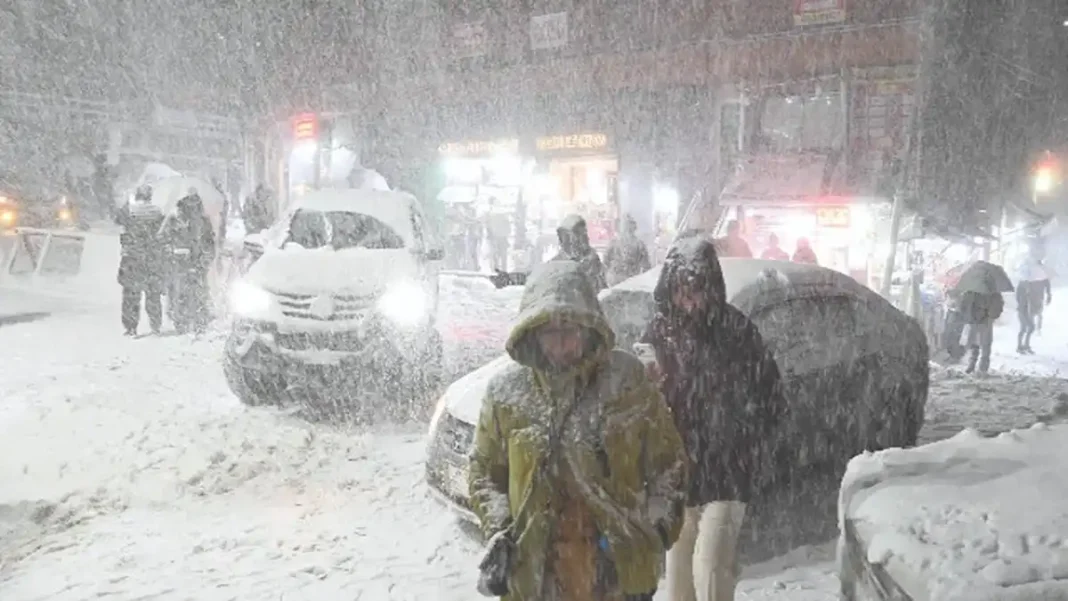
The Murree winter safety plan is now in place for the snowfall season, with tourist facilitation centres, road surveillance and snow-clearing machinery ready before the official season begins. The district administration, the National Disaster Management Authority and Rescue 1122 have finalised the plan, titled Mission Safe Winter. It was activated after the first snowfall in the Galiyat region.
The official winter tourism season will run from December 15 to February 15. The administration has put arrangements in place to keep traffic moving and to keep visitors safe during heavy snowfall. The plan covers Murree, Galiyat and the routes that connect Rawalpindi, Khyber-Pakhtunkhwa and Azad Kashmir.
Murree winter safety plan: centres, cameras and patrols
Under the plan, 19 tourist facilitation centres have been established at various locations across Murree, Galiyat and the connecting routes. These centres will provide immediate assistance and guidance to tourists during emergencies. Travellers who face a vehicle breakdown, a road closure or a medical problem should be able to find help close to the route, rather than having to travel back to a town centre.
Round-the-clock surveillance of Murree’s roads and entry points is being maintained through 181 high-tech Safe City cameras and thermal drones. A special Pakistan Army contingent will also remain deployed for continuous monitoring. The combination of cameras, drones and a deployed contingent is meant to give the administration a live view of traffic build-up and of any incident on a snow-bound road.
The Health Department has been directed to ensure the 24-hour availability of doctors and medicines at hospitals. The Punjab Enforcement and Regulatory Authority will monitor hotels and petrol stations to prevent overcharging, profiteering and violations of officially prescribed rates. Uniform fare schedules and standardised food prices will also be enforced, which matters most on peak weekends when demand is highest.
Roads, rescue and medical cover
To keep roads clear during snowfall, more than 20 modern snow-clearing vehicles, cranes and loaders have been positioned at key locations. New Rescue 1122 stations have been made operational. An air ambulance strip along the Murree Expressway has also been proposed to facilitate aerial assistance during serious emergencies.
For families planning a winter trip, the practical message is simple. Check the route before leaving, keep fuel and warm clothing in the vehicle, and use a facilitation centre if conditions worsen. Snow in Murree can change a short drive into a long wait, and the plan is designed to shorten that wait and to keep a stranded vehicle from becoming a medical emergency.
Why early preparation matters in Murree
Murree’s winter problems are well known to regular visitors. A single heavy fall can block a narrow road, strand hundreds of vehicles and push hotel and food prices up. The administration’s answer this year is to put the machinery, the cameras and the price checks in place before the season, rather than after the first major jam.
The test of the plan will come on the first heavy snowfall weekend after December 15. If the facilitation centres are staffed, the snow vehicles move early and the price checks hold, the season will feel safer for visitors and easier for residents. If any of those links fail, the same complaints will return, and the plan will be judged on that weekend, not on its announcement.
Related coverage on this site includes the Rawalpindi polio drive, on public services in the same region, the Khyber polio case update, on district health services, and wider winter coverage such as the Sindh winter water shortage warning and the wheat support price proposal.
When does the Murree winter season run?
The official winter tourism season runs from December 15 to February 15, under the Mission Safe Winter plan.
How many facilitation centres are there?
Nineteen tourist facilitation centres have been established across Murree, Galiyat and the routes connecting Rawalpindi, Khyber-Pakhtunkhwa and Azad Kashmir.
How are roads being watched?
Roads and entry points are watched round the clock through 181 Safe City cameras and thermal drones, with a special Pakistan Army contingent deployed for monitoring.
What is being done about overcharging?
The Punjab Enforcement and Regulatory Authority will monitor hotels and petrol stations, with uniform fare schedules and standardised food prices enforced.
What snow-clearing equipment is ready?
More than 20 modern snow-clearing vehicles, cranes and loaders have been positioned at key locations, and new Rescue 1122 stations are operational.