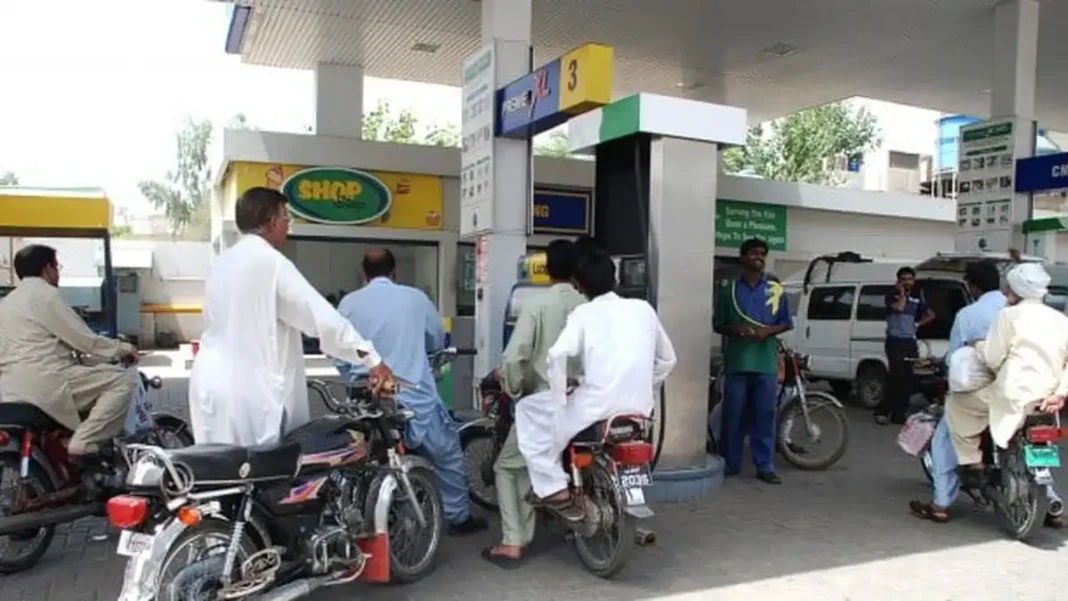
OGRA AI Fuel Supply Monitoring in Pakistan
The Oil and Gas Regulatory Authority will use artificial intelligence and analytics tools to monitor Pakistan’s petroleum supply chain. OGRA AI fuel supply monitoring comes on the orders of Prime Minister Shehbaz Sharif. The regulator will introduce the system in partnership with Alibaba Group. The directive came at a meeting in Islamabad on Wednesday that reviewed progress on AI and digitalisation in the economy and governance.
What the new system will do
The Prime Minister’s Office said OGRA is being provided with AI and business intelligence tools to analyse fuel supply chain data. The tools are meant to help the regulator study how petroleum products move from ports and refineries to petrol pumps. They should improve oversight of stocks, movement and sales across the chain. The government has not yet shared technical details or an implementation date. No cost figure has been given either. The prime minister directed relevant ministries to complete all necessary measures for the Alibaba-backed projects by November. He also asked for a progress report. He said all projects under the partnership should have clear targets, timelines and effective monitoring, so they deliver tangible results.
What OGRA already tracks
The new AI tools build on systems OGRA already runs. In July 2026, the regulator briefed the prime minister on its digital monitoring setup. A National Monitoring Dashboard was active, along with a Tanker Track and Trace system. Depot tank telemetry was in place, as was the Rahguzar mobile app. A digital sales entry system at petrol pumps and a Central Monitoring Cell were also active. Together, those tools track petroleum stocks, movement and sales. A data-driven enforcement campaign in July 2026 identified multiple cases of hoarding and unnecessary supply disruptions. That campaign led to show-cause notices and legal action. The authority had earlier launched a nationwide track and trace system to digitise the oil supply chain. The AI layer should sit on top of that data, rather than replace it.
Why fuel monitoring matters right now
Fuel supply is a sensitive issue in Pakistan. Prices are now revised every day, which means any disruption or hoarding shows up fast at the pump. Diesel has just crossed Rs400 a litre for October 30, while petrol holds at Rs377.91, after petrol and diesel both rose for October 29. Senate figures show local refineries meet only part of petrol demand, which makes import and distribution tracking more important. Dealers have urged consumers not to panic buy, and senators have raised supply concerns in the house. A system that spots a break in the chain early could help the regulator act before a local shortage turns into a wider problem. It could also help separate a genuine supply gap from artificial disruption. That distinction matters for enforcement, since hoarding and unnecessary disruption drew legal action in July.
The wider Alibaba partnership
The OGRA system is one part of a wider set of projects under the government’s strategic partnership with Alibaba Group. The prime minister also directed the early implementation of an AI-assisted cancer diagnosis system. He also directed the launch of a 15-day AI training programme for IT graduates under the Ministry of IT’s Ignite programme. Work is under way on AI-based models for agriculture. Track and trace technology for tobacco is also in progress. Digital platforms to support exports of citrus fruits and olives are being built as well. Digital and AI initiatives in higher education, railways, postal services and urban management are also nearing completion. “The secret to Pakistan’s development lies in artificial intelligence and digitalisation,” the prime minister said, according to the Prime Minister’s Office. Earlier this month, Pakistan also sought World Bank financing for a national AI programme.
What to watch
Three points will show whether the system works. First, the November deadline for ministries to complete their measures will test how fast the partnership moves. Second, the progress report the prime minister asked for should give the first public detail on scope and cost. Third, the next supply disruption will test whether the analytics spot the problem sooner than the current dashboard and tracking tools. Until then, the announcement is a direction, not a finished system. The regulator has the data tools in place, and the AI layer is the next step.