Supreme Court Bars Sending Absorbed Traffic Wardens Back to District Police
Supreme Court Bars Sending Absorbed Traffic Wardens Back to District Police
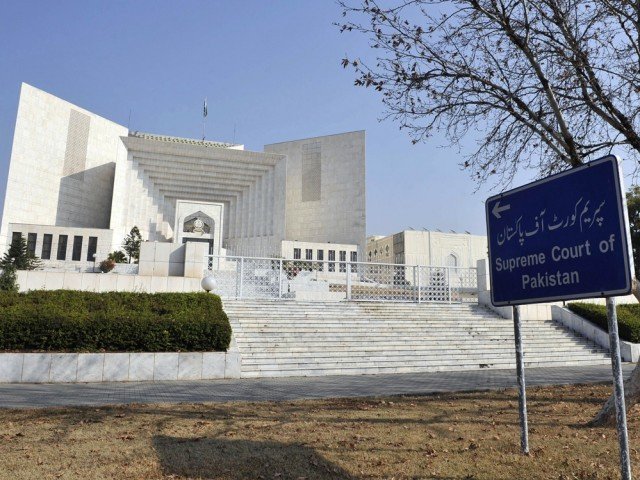
The Supreme Court in Islamabad has ruled that personnel permanently absorbed into the Punjab Police Traffic Wardens Service Cadre cannot be sent back to the General District Police Cadre. The court stressed that administrative matters must follow the rules.
A two-member bench comprising Justice Ayesha A Malik and Justice Muhammad Shafi Siddiqui dismissed a civil petition that had challenged the retention of Punjab traffic wardens in their service cadre. The bench upheld the judgment of the Punjab Service Tribunal, closing a dispute over where the absorbed officers belong.
Why the traffic wardens cadre ruling matters
The case turned on the legal status of officers who were permanently absorbed into the traffic wardens’ separate cadre. The court held that once absorption is complete, the administration cannot undo it by transferring the personnel back to the district police.
The separate cadre was created under a 1995 standing order, which set the traffic wardens apart from the general district police as a distinct service. The petition before the court argued that the wardens should be returned to the district cadre. The bench rejected that argument and kept the tribunal’s decision intact.
For the officers concerned, the ruling settles their service status. Permanent absorption means their seniority, promotions and postings are governed by the traffic wardens cadre, not the district police. The judgment removes the uncertainty that had hung over officers who moved into the specialised service.
Rules must govern administrative decisions
The bench’s emphasis on rule-bound administration is the wider point of the ruling. Service disputes in the police often arise when officers are shifted between cadres without clear legal cover. By dismissing the petition, the court signalled that absorption into a separate cadre is a settled legal fact, not a temporary arrangement the administration can reverse at will.
The decision also reinforces the role of the Punjab Service Tribunal as the forum for such disputes. The tribunal had already ruled in favour of retaining the wardens in their cadre, and the apex court’s refusal to interfere gives that finding finality.
Frequently asked questions
What did the Supreme Court decide?
It ruled that personnel permanently absorbed into the Punjab Police Traffic Wardens Service Cadre cannot be transferred back to the General District Police Cadre.
Which judges heard the case?
The two-member bench comprised Justice Ayesha A Malik and Justice Muhammad Shafi Siddiqui.
What happened to the petition against the wardens’ retention?
The court dismissed the civil petition challenging the retention of the traffic wardens in their service cadre and upheld the Punjab Service Tribunal’s judgment.
When was the separate traffic wardens cadre created?
The separate cadre was created under a 1995 standing order, which set the traffic wardens apart from the general district police.