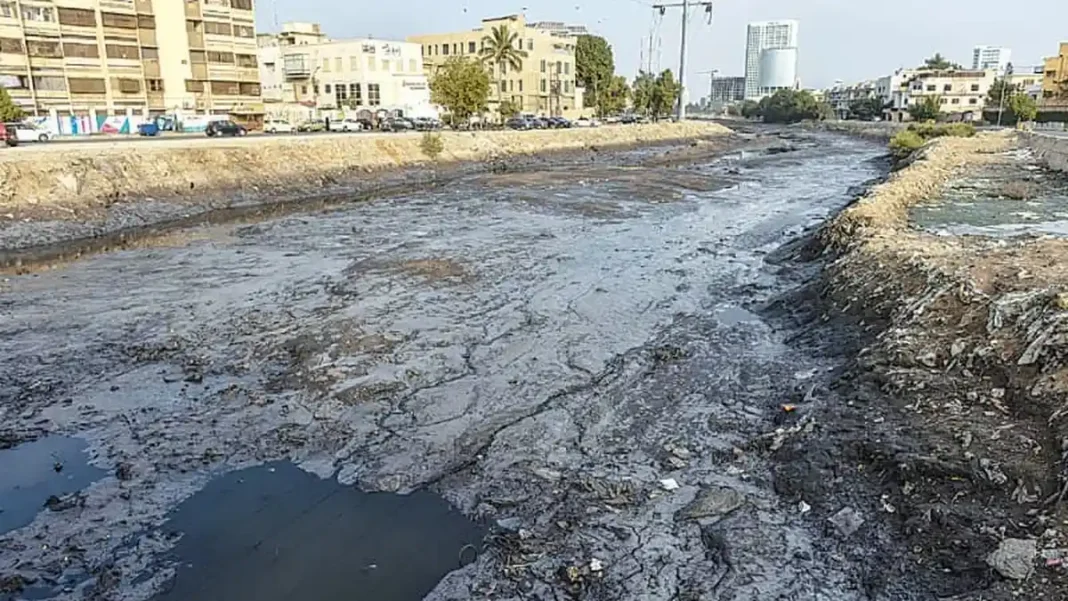
Karachi Nehr-i-Khayyam project sent to Sepa for examination
The Sindh local government department has asked the Sindh Environmental Protection Agency to examine the Nehr-i-Khayyam rehabilitation scheme in Karachi, after weeks of public protest over the project.
In a letter dated 26 October, the project manager for Karachi mega projects asked the Sepa director general to look at the scheme and advise the department on any environmental protection requirements, mitigation measures, approvals or other action needed under environmental laws and regulations.
The scheme is titled “Rehabilitation of Nehr-i-Khayyam including Diversion of Sewerage Water (District South)”. The department says it aims to rehabilitate the existing waterway and divert sewerage flows to improve drainage, reduce contamination and promote a cleaner and healthier environment.
What the scheme involves
The letter sets out the main works. They include the rehabilitation of around one kilometre of the existing drain, the construction of another kilometre of sewerage line and a multi-cell box drain.
The department says the project will help address stagnant water and sewerage contamination while improving environmental conditions in the surrounding areas. It also says the works will improve stormwater conveyance and enhance environmental hygiene.
Looking further ahead, the department told Sepa that the project is intended to provide a basis for future work on greywater treatment, plantation and public recreation. Those aims go beyond the drain itself and explain why residents have watched the project closely.
The department has now asked Sepa to identify the environmental safeguards and legal requirements that apply to the scheme, so that these can be addressed before the work goes further.
Why Sepa’s role matters
Sepa is the provincial body that examines whether a project meets environmental protection rules. Its input can cover the safeguards a scheme must follow, the mitigation steps needed to limit harm and the approvals required by law.
For a drainage channel in Karachi, that examination carries weight. The city has suffered repeated urban flooding, and its drains decide how quickly stormwater clears from roads and neighbourhoods. A change to a channel, even one presented as rehabilitation, can affect how water flows and where it goes.
Residents have raised exactly that concern. They have questioned whether narrowing or covering the channel could damage Karachi’s drainage system, increase the risk of urban flooding and harm the marine environment. A formal Sepa examination gives those questions a regulatory route, rather than leaving them to protest alone.
The protests behind the referral
The controversy began a few weeks ago, when environmentalists and residents’ groups gathered at the construction site in Clifton to protest. They suspected an attempt to turn the waterway into a commercial belt, including a possible food street.
Protesters also questioned the lack of publicly available project details. Feature Pakistan reported residents’ concerns about narrowing of the channel in October, and the Sepa referral follows that sustained public scrutiny.
The department’s letter does not answer the protesters’ claims about commercial use. It frames the scheme as a rehabilitation and sewerage diversion project. What Sepa says about the environmental requirements will now shape how the project is judged.
What happens next
Sepa has been asked to respond with its assessment of the environmental requirements. The department will then need to address those requirements as the work proceeds.
For residents, the key test will be transparency. They will want to see Sepa’s input, the safeguards adopted and the final design of the drain, rather than assurances alone. The referral is a step towards that scrutiny, but it is not a verdict on the project itself.
What has the government asked Sepa to do?
The local government department has asked Sepa to examine the Nehr-i-Khayyam rehabilitation scheme and identify any environmental protection requirements, mitigation measures or approvals needed under the law.
What does the scheme involve?
It covers rehabilitation of around one kilometre of the existing drain, construction of another kilometre of sewerage line and a multi-cell box drain in District South, Karachi.
Why are residents protesting?
Residents and environmentalists have raised concerns about a lack of public project details, possible commercial use of the waterway and the risk that narrowing or covering the channel could worsen flooding and harm the marine environment.
—
Sources and prior coverage
- Dawn, “Govt asks Sepa to examine Karachi’s Nehr-i-Khayyam project, seeks input on environmental protection” (27 October 2026): https://www.dawn.com/news/2040101/govt-asks-sepa-to-examine-karachis-nehr-i-khayyam-project-seeks-input-on-environmental-protection
- Feature Pakistan prior coverage of residents’ concerns about narrowing of Nehr-i-Khayyam (slug: nehr-e-khayyam-narrowing-karachi-october-2026; parent to link the live post at publish time).