Rawalpindi Traders Refuse Rs6,000 Garbage Tax Bills
Shopkeepers across Rawalpindi have refused to pay new garbage tax bills of Rs6,000 per shop for three months, setting up a confrontation with the district administration over sanitation charges. The traders say they will not pay under any circumstances, and a court challenge is planned for Monday.
The bills carry a seven-day payment deadline and warn that shops will be sealed if the amount is not paid. Traders’ organisations across the city have rejected the demand and say they are preparing a joint strategy and a strong protest.
The bills and the deadline
According to The Express Tribune, shopkeepers in Rawalpindi have been issued bills demanding Rs6,000 in garbage tax for three months. The notices direct them to pay within seven days and warn of sealing in case of non-payment.
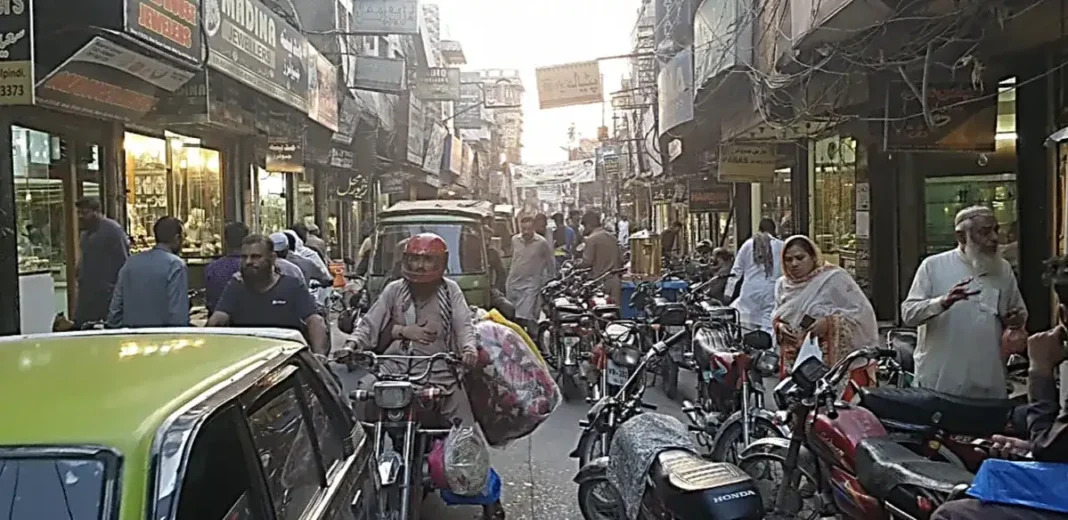
The traders argue that the charge is unjustified because sanitation services never reached their premises. Central Traders Association leaders, including Commercial Market Vice Chairman Hammad Qureshi and Sabzi Mandi Traders Association President Ghulam Qadir Mir, said no sanitation worker from the Suthra Punjab Company visited shops or plazas to provide cleaning services.
They said every market and commercial plaza already had its own sanitation workers, who were paid salaries by the traders themselves. On that basis, they asked why shopkeepers should pay a separate tax for a service they say they never received.
A court challenge on Monday
Former president of the District Bar Association, Advocate Syed Tanvir Sohail, has announced that he will challenge the Rs6,000 bills before the Lahore High Court’s Rawalpindi Bench on Monday, 2 November.
The legal challenge gives the dispute a clear next step: a petition before the Rawalpindi Bench would put the legality and basis of the bills before a court.
The traders said organisations from markets and commercial plazas across the city would devise a joint strategy.
Households also receive bills
The dispute is not limited to shops. Households in residential areas have also started receiving garbage tax bills, demanding Rs3,000 per house for three months.
The traders said the city’s sanitation system had virtually collapsed. Cleaning activities, they said, existed only in official statements and documents, while in practice every street and neighbourhood had turned into a dumping ground.
Background: an argument that began in October
This is not the first clash over the sanitation levy. On 28 October, the Traders’ Association Rawalpindi rejected the new Suthra Punjab tax and warned of protests if it was not withdrawn, objecting to monthly fees and asking why a separate levy was needed when property taxes and Water and Sanitation Agency bills were already collected.
The new bills move the dispute from objection to enforcement. Traders who warned of protests in October are now being asked to pay fixed quarterly sums within seven days, with sealing as the stated consequence.
The billing also fits a wider Punjab pattern. Punjab has started billing 50 lakh properties for sanitation tax, and the chief minister has pressed the programme’s pace, giving a seven-day deadline for the beat system under Suthra Punjab. The Rawalpindi case now tests how that programme lands in markets where traders say no service arrived at all.
Rawalpindi’s courts have been active on public service questions in recent days, including a Lahore High Court order on the parchi system in Punjab’s public hospitals. The planned 2 November petition will show whether the garbage tax bills face the same kind of judicial scrutiny.
Frequently asked questions
What is the Rawalpindi garbage tax dispute about?
Shopkeepers in Rawalpindi have been billed Rs6,000 per shop for three months of garbage tax, with a seven-day payment deadline and a warning that shops will be sealed for non-payment. Traders refuse to pay, saying Suthra Punjab workers never cleaned their markets or plazas.
When will the bills be challenged in court?
Former District Bar Association president Advocate Syed Tanvir Sohail has announced that he will challenge the bills before the Lahore High Court’s Rawalpindi Bench on Monday, 2 November.
Are households also being billed?
Yes. Households in residential areas have started receiving garbage tax bills of Rs3,000 per house for three months.
How does this relate to the earlier traders’ protest?
On 28 October, the Traders’ Association Rawalpindi rejected the Suthra Punjab tax and warned of protests. The new bills are the enforcement stage of that dispute, with fixed quarterly sums and a sealing warning now attached.