LPG Price in Pakistan Hits Rs630 per kg
The LPG price in Pakistan has climbed to Rs630 per kg in the open market, more than twice the official rate, even as the regulator notified a fresh increase for November. The Oil and Gas Regulatory Authority (Ogra) set the November producer price at Rs294,075 per tonne, up from Rs279,341 in October.
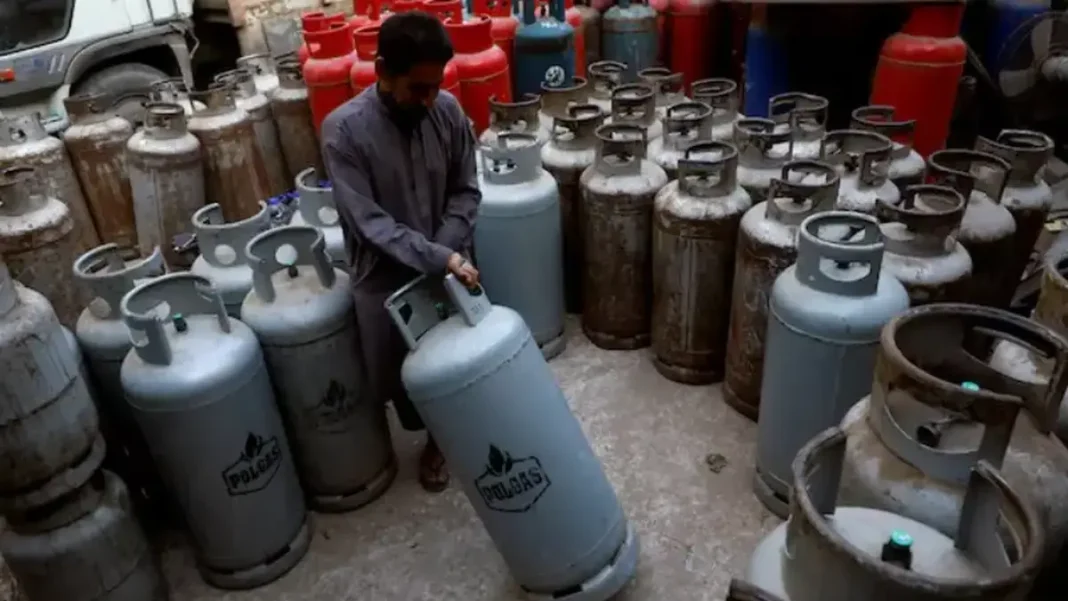
The increase lifts the official retail rate of an 11.8 kg domestic cylinder to Rs3,470, up by Rs173. The official rate works out to Rs294 per kg. In the open market, however, sellers charge up to Rs630 per kg, while company-operated franchises charge up to Rs400 per kg. The gap between the notified price and the price households actually pay has become the central fact of the crisis.
Ogra linked the rise to Saudi Aramco contract prices, up 6.47 per cent, with the average dollar rate down 0.12 per cent.
Why the LPG price in Pakistan keeps rising
Supply is the main problem. LPG Distributors Association of Pakistan Chairman Irfan Khokhar said at least 70 per cent of the gas used in Pakistan is imported from Iran, while only 30 per cent is produced locally. The Iran border closure has therefore cut the main supply line, and traders warn the shortage will worsen as winter demand rises.
The shortage is already changing how families cook. In Rawalpindi, households facing long gas outages have gone back to firewood and coal, as Feature Pakistan reported in Rawalpindi families return to wood-fuelled cooking. In Karachi, consumers were paying Rs550 per kg in late October, as reported in LPG price in Karachi surges to Rs550 per kg.
Khokhar said the government must make serious efforts to control market manipulation. With official supply short, dealers who hold stock can set their own price, and households with no piped gas connection have little choice but to pay it.
Marketers threaten a strike from November 16
The price dispute now overlaps with a policy fight. LPG marketing companies have threatened to shut down their businesses from November 16 if the private sector is sidelined in the upcoming LPG policy. Pakistan LPG Marketers Association Chairman Ali Haider warned of a strike from that date if the government implements the policy in its current form.
Haider said the government should not reverse deregulation of the sector. He put total annual LPG availability at around 1.3 million tonnes, of which only around 225,000 tonnes is imported from the Gulf, mainly by the private sector. He added that the ProGas terminal at Port Qasim is under the control of Sui Southern Gas Company, which he said last imported LPG around seven months ago.
The association has written to Petroleum Minister Ali Pervaiz Malik, saying the draft policy sent to the prime minister had no input from the private sector. It called for complete deregulation of the LPG sector.
The levy argument
Haider also raised the 2016 LPG policy, which imposed a petroleum development levy of Rs4,669 per tonne on locally produced LPG. He said the levy was meant to subsidise state-owned entities such as PSO, Parco and SSGC so they could import LPG during winters and emergencies like the current shortage. Despite billions of rupees collected through that formula, he alleged, the state-owned entities have failed to import LPG during these days.
What happens next
Frequently asked questions
What is the official LPG price for November?
Ogra notified Rs294,075 per tonne for November, up from Rs279,341 in October. The official retail rate of an 11.8 kg cylinder is Rs3,470, and the official rate is Rs294 per kg.
Why is LPG selling for Rs630 per kg in the open market?
Supply is short because the Iran border closure has cut imports, which meet about 70 per cent of demand. With stock scarce, open-market sellers charge far above the notified rate.
Who has threatened a strike, and when?
LPG marketing companies have threatened to shut down from November 16 if the private sector is sidelined in the upcoming LPG policy. Their association wants complete deregulation and says the draft policy had no private-sector input.
How much LPG does Pakistan use each year?
The marketers association puts annual availability at around 1.3 million tonnes, of which only around 225,000 tonnes is imported from the Gulf.