Bugti Urges Balochistan Dialogue, Rejects Violence
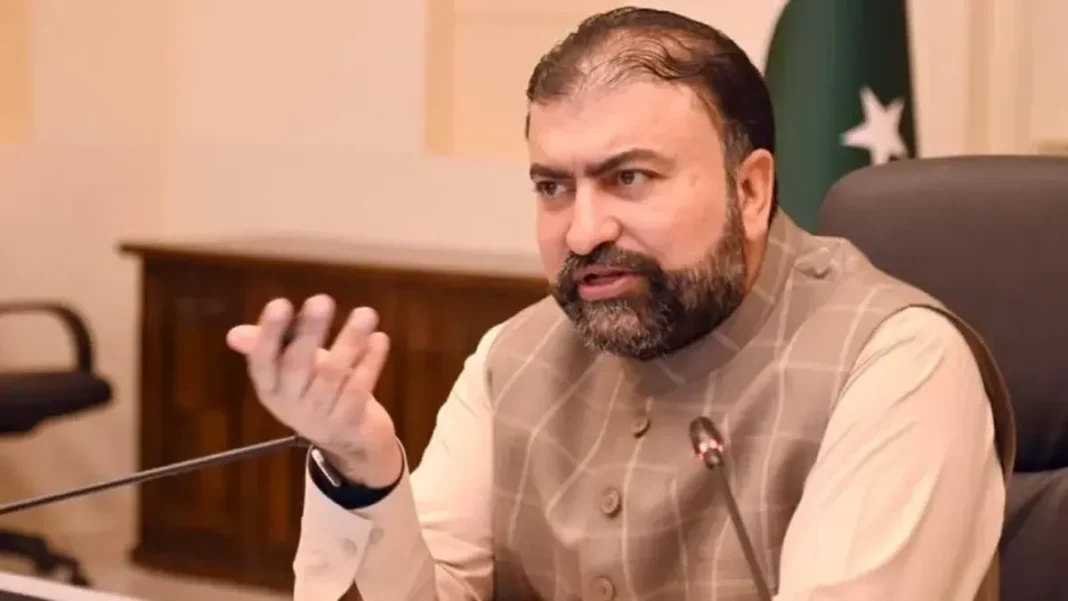
Balochistan Chief Minister Mir Sarfraz Bugti has used a Balochistan dialogue address to say there is no justification for violence on the basis of a sense of deprivation or political disagreement. He stressed that the province’s problems can only be resolved through education, dialogue, political engagement and democratic practices.
Bugti spoke at the convocation ceremony of the University of Management and Technology (UMT) in Lahore on Saturday. Addressing graduates, he said: “Our loyalty to Pakistan is unconditional.” He added that the people of Balochistan were equal citizens of the country, and that their genuine grievances, development needs and sense of deprivation must be properly understood and addressed.
The speech paired two messages that are often kept apart. The first was recognition: Balochistan’s grievances are real and must be addressed. The second was a firm line: those grievances cannot justify violence.
Three challenges named
Bugti said Balochistan was currently facing three major challenges. The first was narratives seeking to justify violence. The second was armed terrorism. The third was attempts to influence the thinking of young people through social media.
He said certain quarters were spreading confusion and misleading narratives in the name of highlighting Balochistan’s grievances and the genuine problems of its people. He stressed that issues such as poverty, underdevelopment and deprivation should not be used to justify or support separatist violence.
The youth point fits the setting. A convocation audience is made up of young graduates, and Bugti’s warning about social media was aimed directly at the generation most exposed to online narratives. His answer to that influence was education itself: the ceremony he was addressing is, in his framing, part of the solution.
Balochistan dialogue: a message to commentators
The chief minister also urged commentators and analysts discussing the situation in Balochistan to base their assessments on facts. He warned against promoting narratives that could make violence appear acceptable.
The appeal matters because the Balochistan debate is fought as much in studios and on social media as on the ground. Claims about the province travel fast, and Bugti’s argument is that loose talk can harden positions on all sides. His standard is simple: describe the problems accurately, and do not dress up violence as a legitimate response to them.
At the same time, Bugti did not dismiss the underlying problems. Poverty, underdevelopment and deprivation were named in his speech as real issues, not as excuses offered by critics. His position is that these problems demand a political and developmental response, delivered through democratic practices, rather than an armed one.
Why the speech matters now
Balochistan has been at the centre of Pakistan’s security debate for years, and the province’s chief minister rarely gets a national hearing outside moments of crisis. A convocation speech in Lahore gave Bugti a different kind of platform: a civilian, educational setting in which to set out his government’s case in full.
The speech also comes at a time when the province’s politics are under strain. Feature Pakistan has reported on Balochistan developments in recent weeks, including the dismissal of 72 doctors over an AI attendance system and the ANP’s multi-party conference over the arrest of Asghar Achakzai. Against that background, Bugti’s emphasis on dialogue reads as an attempt to keep a political track open alongside the security track.
The test of the speech will be practical. Dialogue needs a table, participants and an agenda, and education needs funding, teachers and institutions in the province itself. Bugti’s words set a direction, but the province’s residents will judge it by what changes in their districts: schools that function, jobs that exist, and a political conversation that includes them.
Frequently Asked Questions
Where did Bugti deliver the Balochistan dialogue speech?
Balochistan Chief Minister Sarfraz Bugti spoke at the convocation ceremony of the University of Management and Technology (UMT) in Lahore on Saturday.
What three challenges did Bugti name for Balochistan?
He named narratives seeking to justify violence, armed terrorism, and attempts to influence the thinking of young people through social media.
What did Bugti say about Balochistan’s grievances?
He said the people of Balochistan were equal citizens and their genuine grievances, development needs and sense of deprivation must be properly understood and addressed, but that these issues cannot justify separatist violence.
What did Bugti ask of commentators and analysts?
He urged them to base their assessments on facts and avoid promoting narratives that could make violence appear acceptable.