Rubio Hears Pakistan Terrorism Concerns on Afghanistan
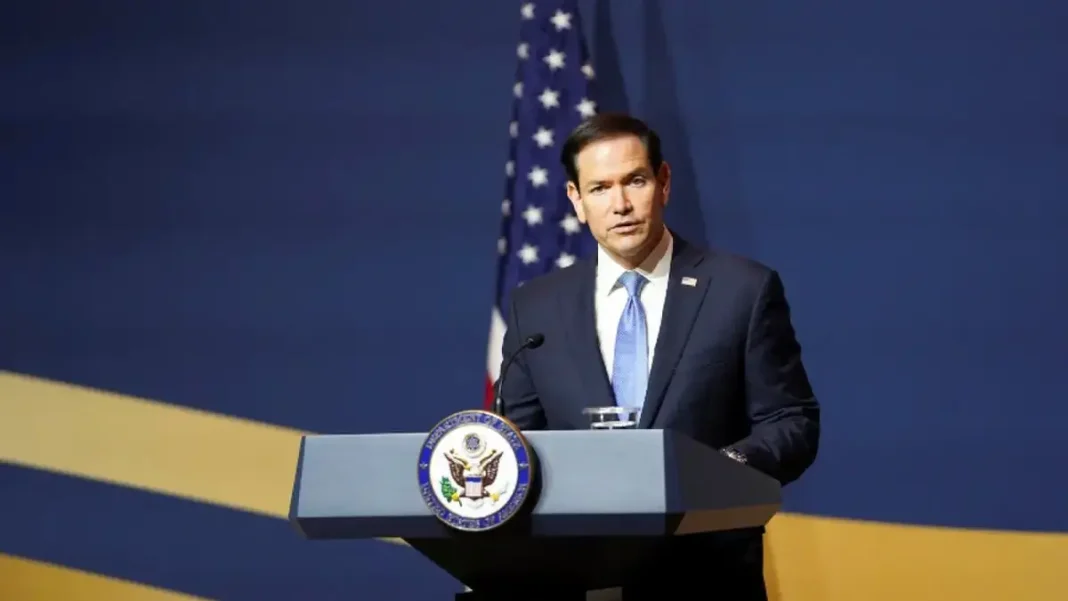
United States Secretary of State Marco Rubio has said Washington has heard Pakistan terrorism concerns about attacks launched from Afghan soil, and would play a productive role if one exists. He spoke on Saturday at the G20 foreign ministers meeting in Atlanta, in answer to a question about tensions between Pakistan and Afghanistan.
“Pakistan is concerned about terrorist attacks that are being sponsored from the territory of Afghanistan. They feel as if the Taliban have not done enough to constrain those attacks, and they have taken action against it,” Rubio said.
“We obviously have heard those concerns on their part. We obviously don’t want them to be targeted for terrorism. So if there’s a productive role for us to play, we would play it,” he added.
Rubio also said the United States did not necessarily have the closest relationship with the Afghan Taliban. He added: “We’ve heard the concerns that Pakistan has raised and we’ve seen some of those attacks that they point to. We’re against terrorism no matter where it emanates from and who it targets.”
Pakistan terrorism concerns: what Rubio actually said
The wording matters. Rubio acknowledged Pakistan’s complaint and said Washington had seen some of the attacks Pakistan points to. He did not announce a mediation mission, a new policy, or any military step.
Islamabad has repeatedly urged the Taliban administration in Kabul to dismantle terrorist sanctuaries on Afghan soil, in particular those linked to the banned Tehreek-i-Taliban Pakistan (TTP), which it says uses Afghan territory to plan attacks inside Pakistan.
Islamabad’s rebuke on Saturday
On Saturday, Pakistan’s information ministry rebuked the Afghan Taliban’s stance on the conflict, assailing its persistent refusal to address terrorism emanating from Afghan soil. The statement came in response to remarks by Afghan Taliban spokesperson Zabihullah Mujahid, who blamed Islamabad’s wrong policies for preventing a resolution and insisted Kabul was not the cause of counterterrorism problems.
The ministry said the spokesman’s remarks exposed the regime’s deeply misguided approach and its unwillingness to confront the root cause of deteriorating relations: its persistent failure to address terrorism emanating from Afghan soil. Feature Pakistan has reported on that rebuke in Pakistan Slams Afghan Taliban Over Terrorism.
Why this matters for Pakistan
For Pakistani readers, the stakes are not abstract. The Express Tribune, citing Pakistani authorities, has reported that terrorism emanating from Afghan soil claimed the lives of 1,327 Pakistanis and injured another 2,484 in 2026 alone. Pakistan has also been drawn into a separate debate over the movement of Afghans through its territory, covered in US Plans to Deport Afghans via Pakistan.
A US voice in this debate gives Pakistan’s complaint an international hearing, and puts Kabul on notice that Washington is watching the same attacks. Until a productive role is defined, the burden of dealing with cross-border attacks stays with Pakistan’s own security response and with diplomacy that has so far produced no breakthrough.
Talks that failed, and the Russian offer
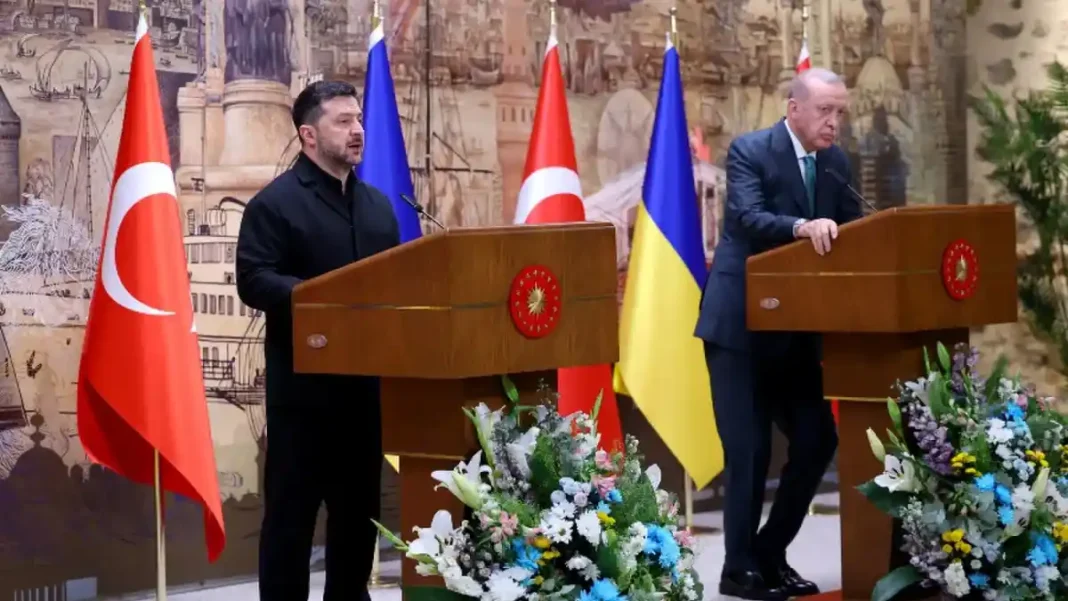
Talks facilitated by Qatar and Turkiye last year failed to bring a workable solution, with Pakistan saying Taliban officials gave no assurances on the key issues. Efforts this year with China’s involvement also ended without a breakthrough.
Border skirmishes continue
What did Marco Rubio say about Pakistan and Afghanistan?
Rubio said Pakistan was concerned about terrorist attacks sponsored from Afghan territory, that the Taliban had not done enough to constrain those attacks, and that Washington had heard Pakistan’s concerns and would play a productive role if one exists.
Did Rubio promise US mediation between Pakistan and Afghanistan?
No. Rubio said the US would play a productive role if there is one. He did not announce a mediation mission, set out terms, or promise any specific step.
What does Pakistan want from the Afghan Taliban?
Islamabad wants Kabul to dismantle terrorist sanctuaries on Afghan soil, in particular those linked to the banned Tehreek-i-Taliban Pakistan, and to take verifiable action against groups that plan attacks inside Pakistan.
Why have Pakistan-Afghanistan talks failed so far?
Talks facilitated by Qatar and Turkiye last year produced no workable solution, and efforts this year with China’s involvement also ended without a breakthrough, with Pakistan saying Taliban officials gave no assurances on the key issues.