US Strikes Qeshm Island in Strait of Hormuz
The United States has carried out strikes on Iran’s Qeshm Island in the Strait of Hormuz, according to a US official quoted by Dawn. The US strikes Qeshm Island development was first reported by the Wall Street Journal and surfaced in Dawn’s live coverage on Tuesday morning, 3 November 2026.
A US official, speaking on condition of anonymity, said the strikes appeared limited and were not a resumption of major combat operations. A second official described them as defensive measures against Iranians using surface-to-air missiles against US assets. Fox News, citing officials, reported that the strikes were defensive and came in response to Iran firing at a US aircraft.
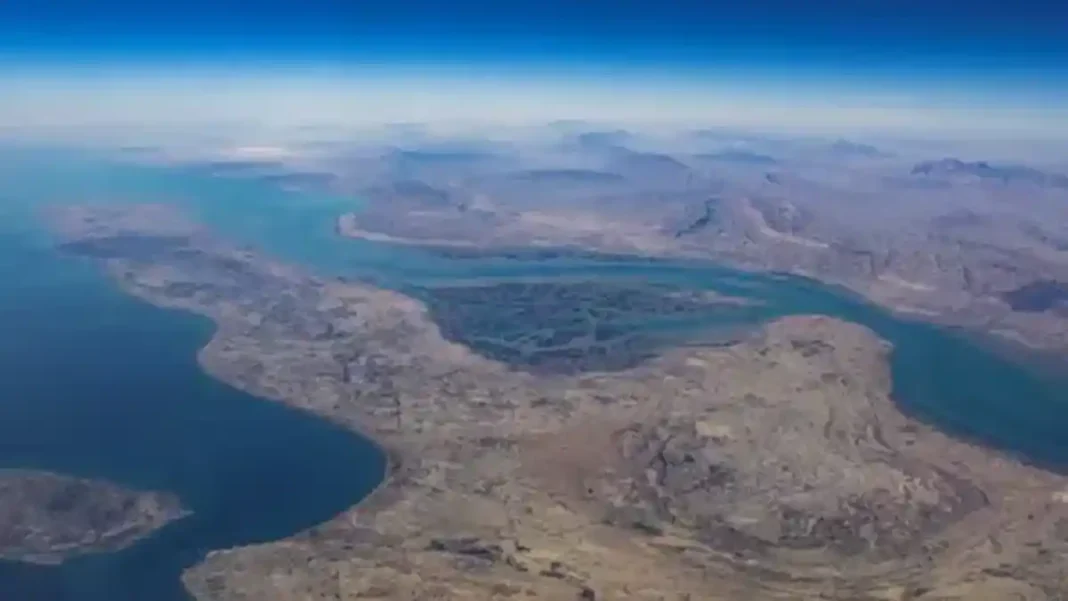
Iranian state media outlet IRNA had reported several explosions on Qeshm Island on Monday. Qeshm is the largest island in the Strait of Hormuz, the narrow waterway through which a large share of the world’s seaborne oil passes.
US strikes Qeshm Island: oil prices rise
Markets reacted. Brent crude futures gained 48 cents, or 0.5 per cent, to reach $105.25 a barrel as of 06:04 Pakistan time on Tuesday. US West Texas Intermediate crude rose 47 cents, also 0.5 per cent, to $96.93 a barrel.
The rise followed a sharp fall on Monday, when Brent settled $8.66, or 7.63 per cent, lower at $104.77 a barrel. Traders had been pricing in hopes of renewed dialogue between Tehran and Washington. The reported strikes reversed part of that move within hours, a sign of how sensitive oil prices remain near the Strait. Traders are also watching Tuesday’s US midterm elections, after Trump’s final midterm pitch at the Reflecting Pool.
For readers in Pakistan, the link is direct. Pakistan imports most of its oil, and movements in Brent feed into local pump prices over time. Feature Pakistan has reported on petrol and diesel prices cut for 3 November, a revision set before this incident. If crude stays higher, the next price review will face a different starting point. The same live market picture was covered in oil prices fall on US-Iran diplomacy hopes, which tracked Monday’s drop before the strikes were reported.
Diplomacy continues alongside the strikes
The strikes came against a background of parallel diplomatic contacts. Iran’s Foreign Minister Abbas Araghchi has said Tehran is holding intensive consultations through mediators, including Qatar and Pakistan, on a possible agreement to reopen the Strait of Hormuz and resume negotiations with the United States. He said the strait would reopen and talks would resume if Washington accepted Iran’s conditions.
Saudi Defence Minister Khalid bin Salman said he had held a phone call with US Secretary of War Pete Hegseth. He said the two reviewed defence cooperation and discussed efforts to de-escalate and contain regional tensions, along with continued Houthi attacks on the kingdom.
China has also pressed for dialogue. Its foreign minister told an Iranian security official in Beijing that China supported Tehran in safeguarding its sovereignty and security, while calling for talks that protect regional energy security and shipping lanes. President Xi Jinping met Oman’s sultan in Beijing on the same day.
The wider war began on 28 February 2026, when the United States and Israel launched what they described as a pre-emptive joint strike against Iranian targets. Since then, fighting and diplomacy have run side by side.
Why Qeshm Island matters for Pakistan
Qeshm sits inside the Strait of Hormuz, and Pakistan’s energy supply depends on tankers passing through that strait. Any threat to shipping there raises freight and insurance costs, which reach Pakistani consumers through fuel prices. Feature Pakistan has covered the strait risk before, including a Pakistan-bound LNG tanker incident near Hormuz.
Pakistan also has a direct diplomatic stake. Araghchi named Pakistan among the mediators in the Hormuz consultations, which puts Islamabad in the middle of efforts to keep the waterway open. A wider exchange would put that effort at risk, along with the oil price relief that Pakistani motorists saw at the start of November.
What happens next depends on whether Iran answers the strikes, whether the talks through Qatar and Pakistan produce a concrete step on the strait, and whether oil markets treat Tuesday’s rise as a one-day reaction or a new climb.
Frequently asked questions
What happened on Qeshm Island?
The United States carried out strikes on Qeshm Island in the Strait of Hormuz, according to a US official. The Wall Street Journal first reported the strikes, and Iranian state media had earlier reported several explosions on the island on Monday.
Were the strikes a resumption of major combat?
No, according to the US official quoted. The official said the strikes appeared limited and were not a resumption of major combat operations. A second official described them as defensive measures against surface-to-air missile use against US assets.
How did oil prices react?
Brent crude rose 48 cents, or 0.5 per cent, to $105.25 a barrel in early trade on Tuesday, while US West Texas Intermediate rose 47 cents to $96.93. The rise partly reversed Monday’s 7.63 per cent fall in Brent.
Why does Qeshm Island matter?
Qeshm is the largest island in the Strait of Hormuz, a waterway central to global oil shipping. Incidents there can raise oil prices and shipping costs, which affect fuel prices in importing countries including Pakistan.
What is Pakistan’s role in the Hormuz talks?
Iran’s foreign minister has said Pakistan is among the mediators in consultations on a possible agreement to reopen the Strait of Hormuz and resume negotiations with the United States.