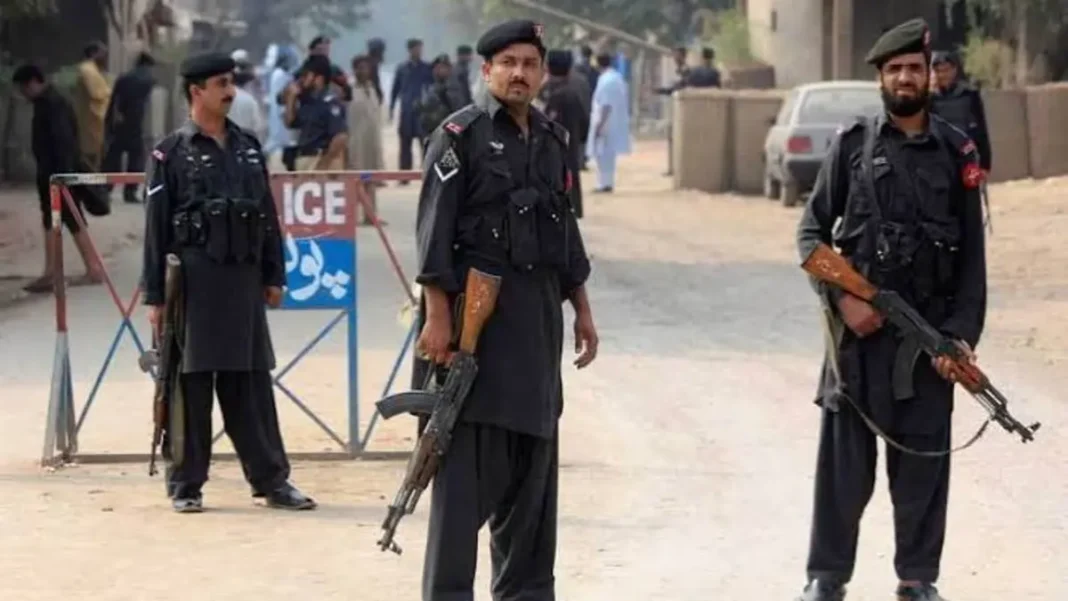
The KP police ambulances and armoured vehicles handed over in Peshawar will give police in 11 districts new protected transport and medical support during anti-terrorism operations.
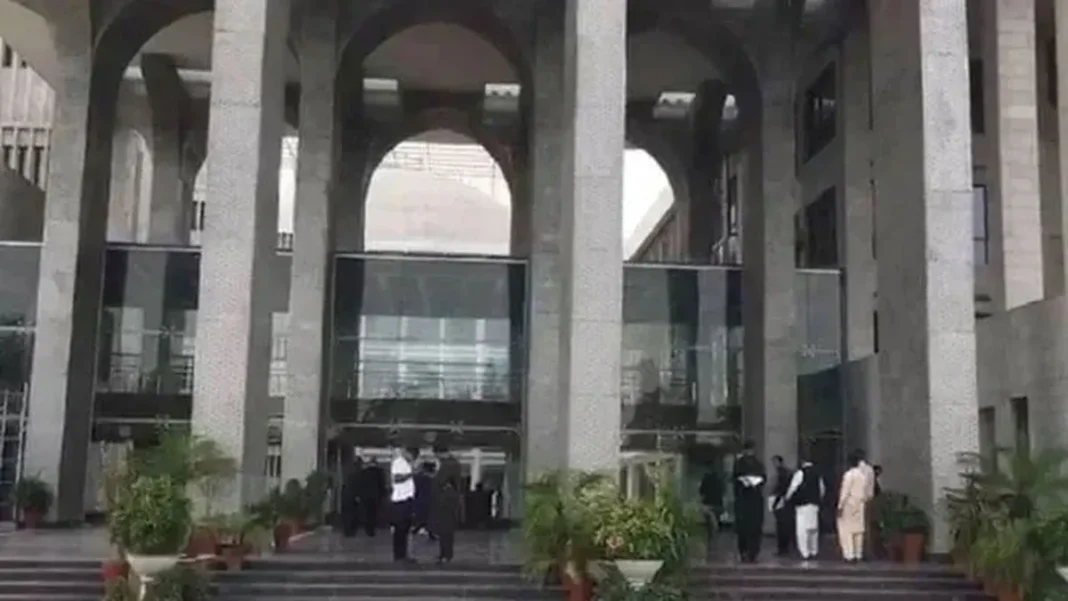
Khyber-Pakhtunkhwa Inspector General of Police Zulfiqar Hameed handed over the keys to senior police officers from different regions and districts at a ceremony held at the Central Police Office in Peshawar, ProPakistani reported, citing 24NewsHD TV. The new fleet includes 10 modern ambulances and eight armoured personnel carriers (APCs).
The IGP inspected the vehicles and received a detailed briefing about their features and performance. He said the modern APCs would help police personnel move safely during operations and emergencies, protecting their lives from terrorist attacks.
KP police ambulances armoured vehicles: what was handed over
The eight APCs comprise six Zarb-e-Haider vehicles and two Dragon-class vehicles. Together with the 10 ambulances, the handover adds 18 vehicles to the provincial fleet in a single ceremony.
The pairing matters. Armoured carriers protect officers while they move into dangerous areas, and ambulances move injured officers out of those areas to medical care. A force that receives only one half of that pair still leaves a gap in the other half. This handover closes both gaps at once for the districts named.
The vehicles and ambulances have been provided to police officials in Peshawar, Charsadda, Lower Dir, Upper Dir, Kohat, Karak, Bannu, Dera Ismail Khan, Tank, Abbottabad and Shangla. The spread covers the provincial capital, the southern districts that face frequent attacks, and northern districts including Shangla and the two Dir districts.
Why protected movement matters for KP police
Police in Khyber-Pakhtunkhwa operate in districts where ambushes and attacks on patrols are a regular risk. Officers travelling in unprotected vehicles are exposed on roads that attackers know well, and injured officers need fast evacuation over distances that can be long in the province’s hilly terrain.
Armoured personnel carriers reduce that exposure during movement, and ambulances stationed with police units cut the time between injury and treatment. The IGP’s own explanation at the ceremony made the same point in plain terms: the vehicles exist so that personnel can move safely during operations and emergencies.
The handover does not change police numbers or powers. It changes the equipment those officers travel in, which is the part of the job most directly linked to whether an officer survives an ambush or a roadside attack.
What happens next
The test of this handover will be deployment, not ceremony. The keys have gone to senior officers from the regions and districts, and the vehicles must now reach the police stations and units that actually patrol the roads in those 11 districts.
If the ambulances and carriers stay pooled at district headquarters, their value will be limited. If they travel with patrols and stand ready for emergency calls, they will do the job the IGP described at the handover.
No further fleet additions were announced at the ceremony. For now, the 18 vehicles are the measure of this round of police support in the province.
Frequently asked questions
How many vehicles did KP Police receive?
KP Police received 10 ambulances and eight armoured personnel carriers, a total of 18 vehicles.
Which districts will get the vehicles?
Peshawar, Charsadda, Lower Dir, Upper Dir, Kohat, Karak, Bannu, Dera Ismail Khan, Tank, Abbottabad and Shangla.
Who handed over the fleet?
Khyber-Pakhtunkhwa IGP Zulfiqar Hameed handed over the keys at a ceremony at the Central Police Office in Peshawar.