ML-I Phase One to Cost $2.1 Billion, Senate Told
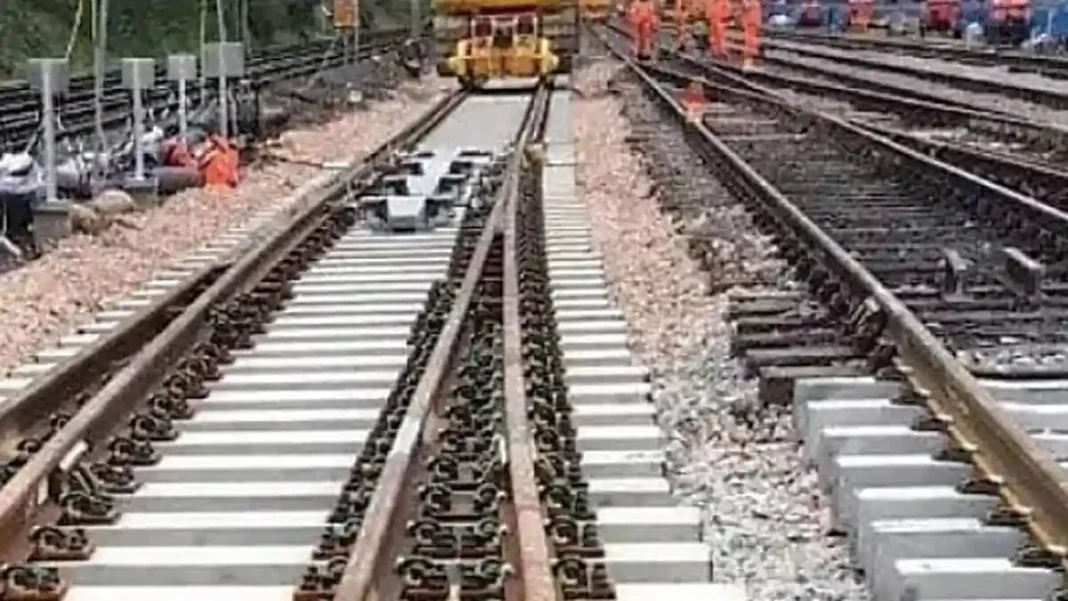
ML-I phase one will cost $2.1 billion, the government told the Senate on Friday, October 30, as work on the long-delayed Karachi to Peshawar rail upgrade inches forward. The figure covers the 480-kilometre Karachi-Rohri section, the first stretch of the 1,872-kilometre Mainline-I project.
Minister for Railways Hanif Abbasi told the upper house that the final project cost will be set once the detailed engineering design is complete. That design is now under review for finalisation. Construction is expected to start during the current fiscal year, subject to approvals, financing and procurement, with an implementation period of about two and a half years.
The update matters because ML-I has waited years for firm funding. Pakistan could not secure $8 billion from China out of a total cost of $10 billion, even though the project was declared the only strategically important initiative under the China-Pakistan Economic Corridor. The government must now look elsewhere for money, pledge land with local banks and seek loans from multilateral creditors.
ML-I phase one and the funding gap
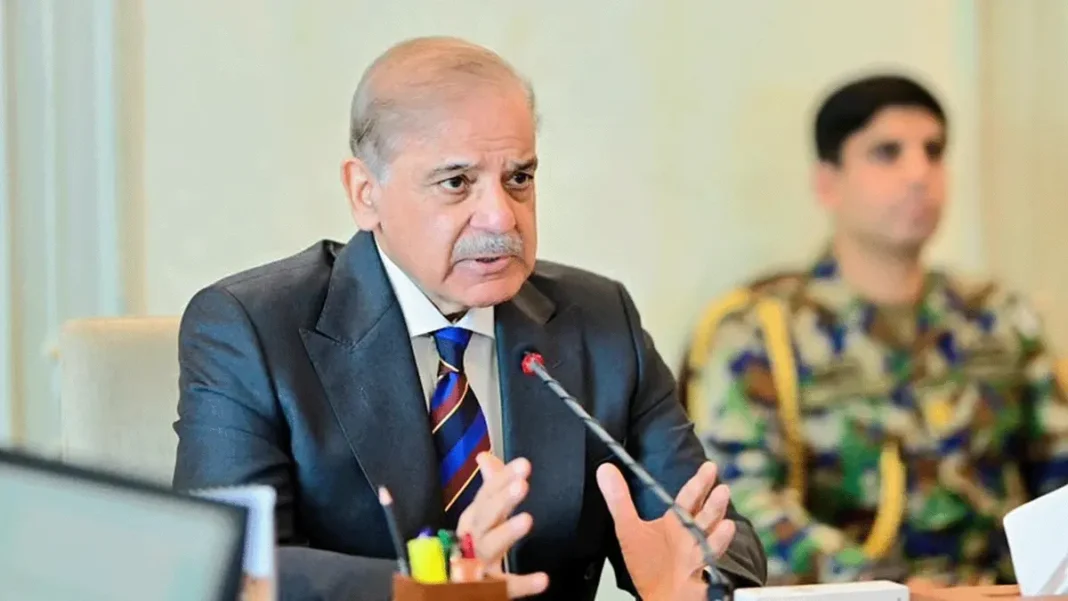
The funding problem runs through the whole project. For the second phase, the Multan-Rohri section, Prime Minister Shehbaz Sharif has formed a committee under the chairmanship of the State Bank of Pakistan governor. The committee met this week to formalise a financing plan.
Its task is to find a way to securitise Pakistan Railways land to pay for phase two. Federal Minister for Planning Ahsan Iqbal told The Express Tribune that trillions of rupees of railway land lie vacant, and the government now wants to offer that land as collateral to domestic commercial banks.
The Frontier Works Organisation had estimated the second phase at Rs470 billion under a build-and-lease model. Under that model, FWO would complete the rail link in three years by borrowing a maximum of 80 per cent of the cost from local banks and securing at least 20 per cent from the federal government as viability gap funding. FWO would then hand the track to Pakistan Railways on a 25-year lease and transfer the title when the lease ends.
The numbers behind that model remain contested. Out of the Rs470 billion estimate, the debt requirement stood near Rs365 billion, with the rest sought from the government as a grant. Sources put total payments over a 25-year lease at Rs1.1 trillion, while the railways ministry showed willingness to pay only Rs29 billion. It projected operational profits of Rs485 billion over 25 years, and the finance ministry took the view that at least that amount should be pledged by the railways.
A network running past its life
The Senate briefing also laid bare the state of the existing network. The railways ministry admitted that 67 per cent of the track and 60 per cent of the rolling stock have outlived their life. It said there had not been significant investment in railway infrastructure, as required, for more than seven decades.
Accidents underline the point. Nearly 300 accidents were reported from 2023 to 2025, including 241 derailments of goods and passenger trains. The yearly count ran at 84 in 2023, a peak of 118 in 2024 and 97 in 2025, including 37 head-on collisions.
Staffing adds to the strain. The government has not been able to fill vacant posts, and 22,546 positions stand empty across pay scales 1 to 22. Of those, 12,165 are in Punjab, 7,245 in Sindh, 1,840 in Khyber-Pakhtunkhwa and 1,296 in Balochistan.
What the new figure changes
The $2.1 billion figure sits below an earlier estimate in Feature Pakistan’s coverage of the Karachi-Rohri rail track plan, which put the section at $2.5 billion with a 2027 start. Since the final cost still awaits the detailed design, readers should treat $2.1 billion as the current ministerial estimate, not a fixed contract price. The broader test remains financing, with the corridor facing practical hurdles also seen in moves to fix Chinese visa delays affecting CPEC work and the review of Rs500 billion in CPEC power dues.
Frequently asked questions
What is ML-I?
ML-I is the Mainline-I railway from Karachi to Peshawar, running 1,872 kilometres. It is the busiest rail corridor in Pakistan.