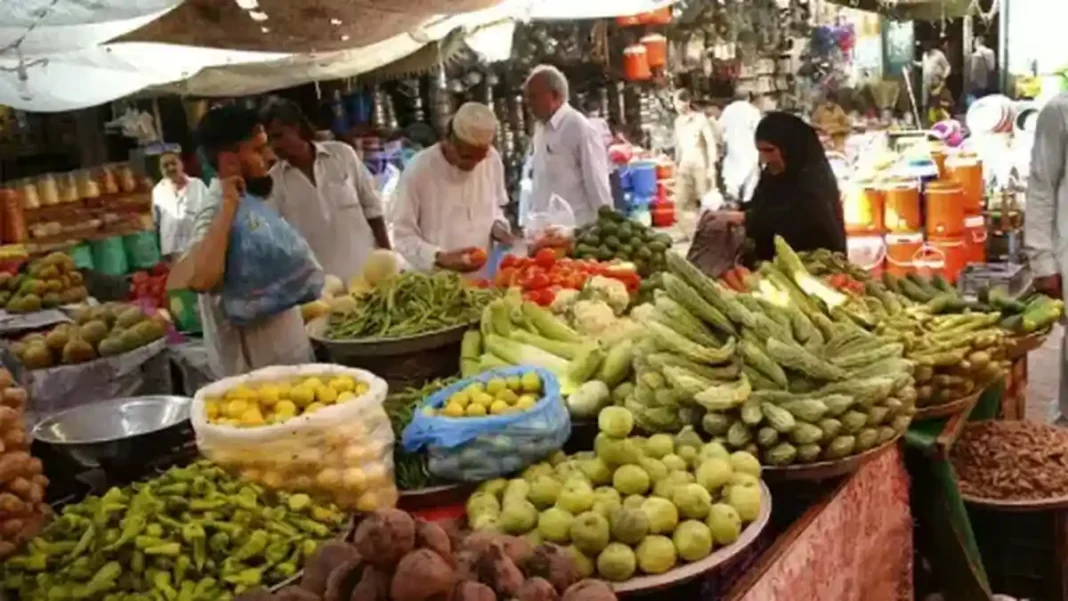
SPI Stays in Double Digits on Energy, Food Costs
SPI double digits persisted in the week ended October 29, 2026, as short-term inflation stayed high at 11.32 per cent year on year. The reading shows that household budgets remain under pressure from energy and selected food items, even though the weekly index eased slightly.
Pakistan Bureau of Statistics data put the combined Sensitive Price Indicator at 373.51, down from 374.84 in the previous week but well above 335.53 a year earlier. The index tracks 51 essential items, with prices collected from 50 markets in 17 cities, and it serves as the closest weekly gauge of what families pay for daily needs.
The week-on-week fall of 0.35 per cent offered only limited relief. It reflected small declines in a handful of items, while the year-on-year comparison still showed steep increases in the costs that matter most to lower-income households.
SPI double digits: what rose and what fell
On a weekly basis, electricity charges for the first quintile fell 3.92 per cent, chicken prices declined 2.95 per cent, eggs dropped 2.81 per cent, wheat flour eased 0.83 per cent and LPG retreated 0.73 per cent. Petrol, sugar and powdered milk also posted modest declines.
Those falls were offset by sharp rises elsewhere. Tomatoes surged 34.91 per cent in the week, potatoes rose 3.27 per cent, diesel increased 2.53 per cent and gram pulse advanced 2.11 per cent. Bread, onions, fresh milk and curd registered smaller gains.
Of the 51 items tracked, prices of 15 items (29.41 per cent) rose, 12 items (23.53 per cent) fell and 24 items (47.06 per cent) stayed unchanged. The split shows a market not rising across the board, but where rising items tend to be the ones households buy most often.
The year-on-year picture is harsher
The annual comparison explains why the headline still hurts. LPG prices climbed 106.86 per cent from a year earlier, electricity charges for the lowest quintile jumped 52.38 per cent, diesel rose 45.13 per cent and petrol increased 43.61 per cent. Wheat flour was up 34.87 per cent and chicken 31.72 per cent.
Some items did fall over the year. Potatoes dropped 38.67 per cent, tomatoes fell 27.99 per cent, eggs declined 26.70 per cent and sugar decreased 25.21 per cent. Those declines, however, sit in items whose weekly prices can swing fast, while energy costs feed into transport, cooking and power bills month after month.
The burden did not fall evenly. The highest-income quintile faced the steepest annual increase at 12.13 per cent, while the lowest-income group recorded a rise of 8.07 per cent. Week on week, the top quintile also saw the largest decline at 0.41 per cent.
Why energy still drives the index
The report linked continued pressure on fuel and LPG prices to global supply concerns tied to the United States-Israel conflict with Iran and the ongoing Houthi confrontation with Saudi Arabia. Those tensions sit behind the diesel and petrol increases that feed into the index, and behind the LPG strain visible in Karachi, where the price hit Rs550 per kg as supply tightened.
Domestic fuel policy points the same way. Diesel now retails at Rs402.96 after petrol stayed unchanged and diesel rose Rs2.29, and the weekly SPI data captured a 2.53 per cent diesel rise in the same period. Food prices tell a similar story at street level, with Faisalabad food prices soaring past official rates in a separate check.
The monthly Consumer Price Index offers a slightly softer picture. It slowed to 10.3 per cent in September, but it stayed above the official forecast because higher electricity and fuel prices offset a significant slowdown in food commodity prices. The planning authorities had projected a lower figure, and energy costs were the reason it missed.
For households, the message is steady rather than dramatic. Weekly dips help, but double-digit annual inflation in energy and staples means relief will only feel real when those yearly comparisons start to fall.
Frequently asked questions
What is the SPI?
The Sensitive Price Indicator tracks the weekly prices of 51 essential items across 50 markets in 17 cities. It gives a fast read on short-term inflation for households.