Nehr-i-Khayyam Work Will Not Stop Despite EIA Doubts
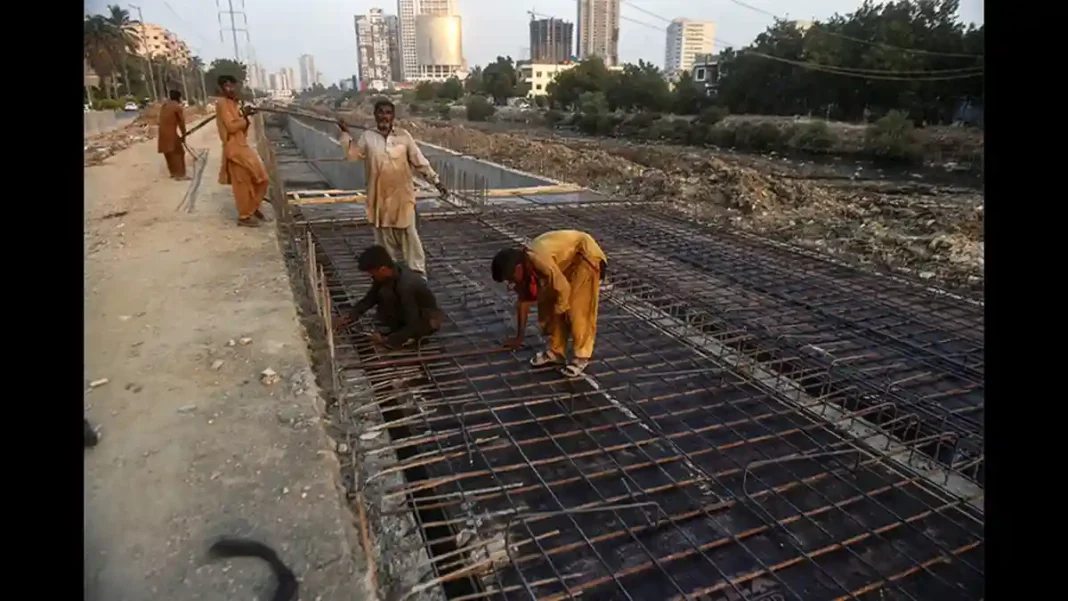
Construction on Karachi’s Nehr-i-Khayyam rehabilitation project will continue, despite mounting criticism of the government’s belated move to seek an environmental review. The Nehr-i-Khayyam EIA criticism centres on timing: critics say a credible assessment is no longer possible, because the work is already well advanced.
The Sindh government has asked the Sindh Environmental Protection Agency (Sepa) to examine the scheme and advise on the environmental safeguards it requires. Critics, including Sepa insiders, say that step has come too late to be meaningful.
Nehr-i-Khayyam EIA criticism: why critics say it is too late
On October 26, the project manager of the Karachi mega projects wrote to the Sepa director general. The letter asked Sepa to examine the “Rehabilitation of Nehr-i-Khayyam including Diversion of Sewerage Water (District South)” scheme, and to share any environmental protection requirements, mitigation measures, approvals or other actions required under the applicable laws.
Opponents questioned the move at once. They argued that approaching Sepa after construction had substantially progressed raises more questions than it answers, about the project’s planning, its environmental impact, and the way the authorities have handled the work.
A senior Sepa official, who declined to be named, expressed reservations about the move. Sepa sources told Dawn that a credible and independent environmental impact assessment, or environmental review, is almost impossible when construction is already at an advanced stage.
The technical reason is straightforward. Before construction began, the authorities should have checked whether the canal’s shape and design could carry the required volume of water. That check needs hydrological modelling, rainfall data from past years, and assessments by meteorological experts. Nehr-i-Khayyam is supposed to carry rainwater and tidal water into the open sea, not sewage, so the distinction matters for any assessment of flooding risk.
The government response: work will continue
Syed Najmi Alam, adviser to the Sindh chief minister and the Pakistan Peoples Party leader in the City Council, dismissed the concerns. He insisted that work on Nehr-i-Khayyam would continue, and said the authorities had approached Sepa to consider the objections.
“This is not a massive or mega project, such as the construction of a dam, for which an environmental assessment would be critically necessary,” he said, according to Dawn. The government position, in short, is that the project is modest in scale, and that the Sepa exercise is enough to address the concerns raised.
That position has not convinced the project’s opponents. Taimur Ahmed, a representative of Jamaat-e-Islami in the City Council, called the belated environmental review ineffective and expressed doubt about its impartiality. A former Sepa official noted that the Sindh Environmental Protection Act of 2014 gives the agency authority to intervene, halt or regulate projects that breach environmental standards or lack mandatory approvals.
Residents fear a commercial belt, not a waterway
Residents of Clifton and Defence have opposed the construction from the outset. They gathered at the construction site in Clifton to protest, fearing an attempt to turn the waterway into a commercial belt, including a possible food street.
Their concern is practical as well as environmental. They warn that narrowing or covering the natural waterway could damage Karachi’s drainage system, increase the risk of urban flooding, and harm the marine environment. They have demanded that the government make the project’s PC-I, its EIA report and other documents public.
Saifuddin Advocate, the leader of the opposition in the City Council, has joined residents at the site. He warned that narrowing or closing the waterway could affect the city’s rainwater drainage, and demanded that the Sindh government disclose the project’s documents.
Residents and Jamaat-e-Islami are also preparing to take the matter to court. Feature Pakistan reported on their plan to file a petition in the Sindh High Court on Friday, seeking protection of the canal’s natural waterway and effective drainage arrangements.
What happens next
The immediate question is what Sepa will say, and when. If it finds that the project needs changes, the government will have to decide whether to accept them while work continues.
Frequently asked questions
What is the Nehr-i-Khayyam project?
It is the rehabilitation of Nehr-i-Khayyam in Karachi, including the diversion of sewerage water in District South, aimed at improving drainage and reducing contamination.
Why do critics doubt the environmental review?
Critics say the review comes too late, because construction is already advanced. Sepa sources say a credible, independent assessment is almost impossible at this stage.