ABHI Microfinance Bank Plans Rs3bn IPO in November
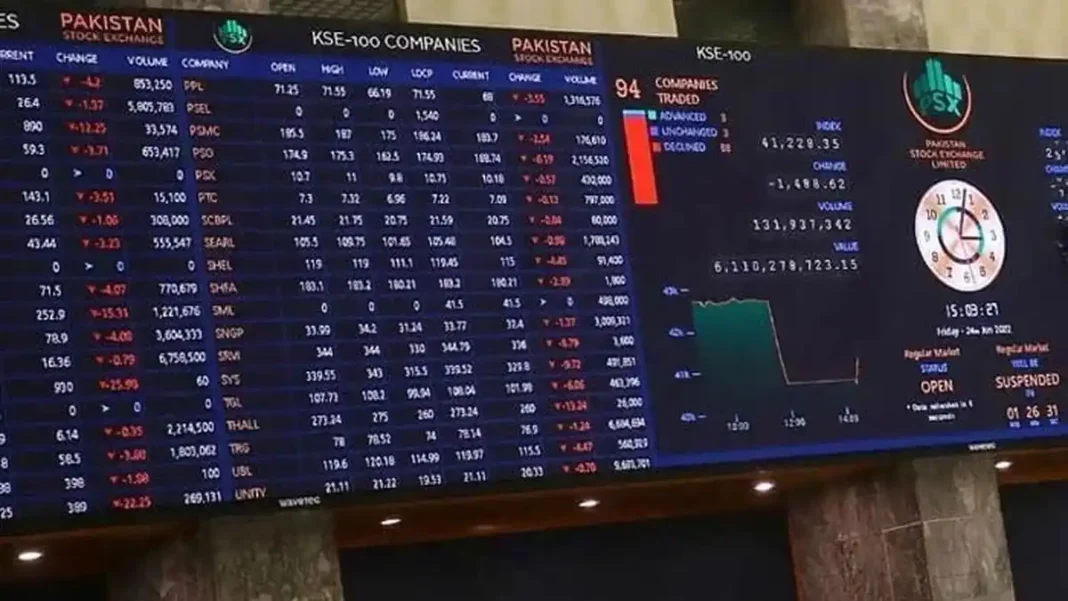
ABHI Microfinance Bank plans to raise up to Rs3 billion through an initial public offering on the Pakistan Stock Exchange next month. The bank will offer 132 million ordinary shares, with a floor price of Rs15 per share.
According to disclosures submitted to the stock exchange, the book-building process for institutional and high-net-worth investors will take place on November 5 and 6. The subscription period for retail investors will follow on November 12 and 13.
The offer is split into two parts. An amount of 99 million shares, or 75 per cent of the issue, will go to institutional and high-net-worth investors through book building. The remaining shares will be offered to the general public.
The price band
The floor price is Rs15 per share, which includes a premium of Rs5 over the face value. The price band allows the final price to rise by up to 50 per cent, taking the maximum price to Rs22.50 per share.
At the floor price, the bank expects gross proceeds of about Rs1.98 billion. If the book-building process settles at a higher price within the band, the total raised will move closer to the Rs3 billion headline figure.
The general public portion of the offering will be fully underwritten by Arif Habib Limited, Topline Securities Limited, Growth Securities (Private) Limited and Dawood Equities Limited.
Why the bank needs the capital
The funds will mainly be used to expand the loan portfolio and strengthen the capital base. The bank says the equity injection should improve its capital adequacy ratio, support growth in its balance sheet, and help it meet the minimum capital requirements the State Bank of Pakistan sets for microfinance banks.
The disclosures describe a capital shortfall that the IPO proceeds should help close. Combined with projected earnings over the next two years, the bank expects its capital adequacy ratio to move closer to the regulatory threshold, and then past it.
For readers outside banking, the capital adequacy ratio is a simple idea. It measures how much of a bank’s own money stands behind the loans it has made. Regulators set a floor so that a bank can absorb losses without putting depositors’ money at risk. A bank below that floor must raise fresh capital or shrink its lending. ABHI has chosen the first route.
Profit outlook
The bank expects to stay profitable in 2026. Management estimates profit of about Rs1.5 billion in the second half of the calendar year, which would take full-year profit to around Rs3 billion. The bank’s own forecast puts the 2026 figure at Rs2.927 billion.
After adding the IPO proceeds and projected earnings, the bank expects its capital adequacy ratio to turn positive and reach about 4.3 per cent by the end of 2026, before other capital adjustments. Profitability is projected to improve further in 2027, adding to retained earnings. With routine regulatory capital adjustments, the ratio is expected to reach 17.8 per cent by the end of 2027, above the State Bank’s prescribed minimum of 15 per cent for microfinance banks.
What this means for small borrowers
ABHI Microfinance Bank works through branch-based and branchless channels. Its technology-led digital platform and a network of more than 114 branches across more than 108 cities support its services across Pakistan.
Its portfolio includes secured lending such as gold-backed loans, and digital lending such as earned wage access, salary-backed lending and advance salary financing. It also offers merchant financing and microenterprise lending for businesses in agriculture and livestock.
That last group is where the IPO has its most direct effect on ordinary Pakistanis. Microfinance banks lend to people and tiny firms that commercial banks often do not serve: a small trader who needs stock, a livestock keeper who needs feed, a worker who needs a salary advance before payday. A stronger capital base lets the bank lend more to those customers without breaching regulatory limits. A weaker one forces it to hold back.
The timing also matters for households. Fuel levies, food prices and tight household budgets have squeezed small incomes through 2026. For borrowers at the edge of the formal banking system, the difference between a loan approved and a loan refused can decide whether a small business keeps trading.