Pakistan to Fast-Track Imported Cotton Seed Approval
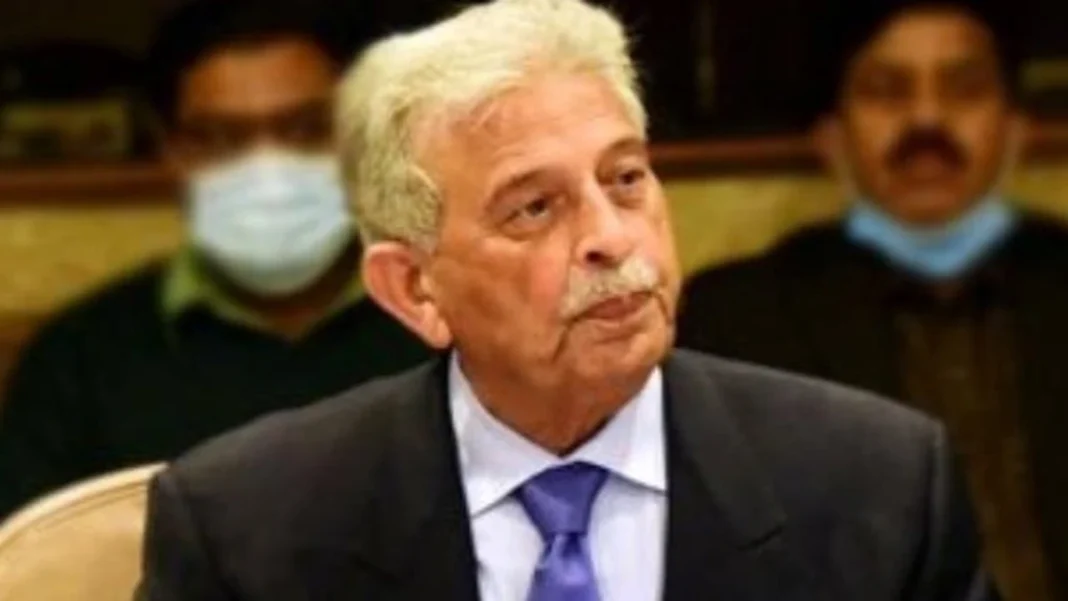
Pakistan is to examine a fast-track system for imported cotton seed approval that could cut the wait from about seven years to between 12 and 18 months. Federal Minister for National Food Security and Research Rana Tanveer Hussain directed officials to study the proposal within the existing legal framework at a meeting on the Cotton Revival Strategy in Islamabad on Thursday, October 29.
The proposal has the backing of cotton-sector stakeholders. Faster approval will not weaken mandatory scientific testing, biosecurity or biosafety standards, according to the official statement issued after the meeting.
Imported cotton seed approval: what would change
Imported varieties now take roughly seven years to move through existing procedures before they reach farmers. The proposed mechanism would shorten that period to 12 to 18 months. Officials will examine how the shorter timeline can work inside current laws and rules.
The minister directed the Department of Plant Protection to speed up pending Pest Risk Analyses and Controlled Import Permits. The aim is to give farmers access to improved seed technologies from abroad while keeping phytosanitary safeguards in place.
China has submitted its technical dossier for seed engagement, and officials have asked for additional information. Engagement with Turkiye, Syria, Kenya, the United States, Mexico, Kyrgyzstan and Australia remains dependent on their responses.
The meeting also discussed the rules for genetically modified and Bt cotton varieties. Biosafety clearances for such varieties must come from the relevant authorities under the Ministry of Climate Change and Environmental Coordination.
Why cotton cultivation has declined
The meeting reviewed the persistent decline in cotton cultivation, particularly in Punjab. Falling yields, rising production costs and declining profitability have pushed farmers towards sugarcane, maize and other competing crops.
Cotton Leaf Curl Virus, pest infestations, climate variability, poor-quality seed and inadequate mechanisation were identified as major constraints on the crop.
The minister said reviving cotton was essential for strengthening the agricultural economy, supporting the textile industry and reducing dependence on imported raw materials. He said cotton cultivation must become economically attractive for farmers through improved productivity, quality seed and reduced production costs.
Three-pronged revival strategy
The revival strategy rests on three parts: strengthening locally developed cotton seed, facilitating imports of improved seed, and introducing the fast-track approval mechanism for imported varieties.
A three-member committee comprising the Pakistan Agricultural Research Council, the National Seed Development and Regulatory Authority and the Pakistan Central Cotton Committee will be formed to facilitate the acquisition of exotic cotton germplasm. The council will lead the committee.
On crop zoning, the seed authority was directed to speed up processing of promising varieties and ensure basic seed availability. Varieties will be approved on their performance in specific agro-climatic regions rather than under uniform national criteria.
The meeting brought together representatives of the food security ministry, the seed authority, the agricultural research council, the central cotton committee, the Department of Plant Protection, provincial agriculture departments, private seed companies, the All Pakistan Textile Mills Association, ginners, seed associations and Cotton Connect.
What this means for farmers and mills
The proposal matters because it is sharper than an earlier attempt. The News reported in April 2026 that a previous version of the idea, which aimed at three years, ended without a decision after more than a year of delay. The same reporting put domestic output down from 14 million bales to 5.5 million bales, which shows the scale of the decline the revival plan must reverse.
The seed decision also sits inside a wider reform push. The textile mills association and the central cotton committee have joined hands to resolve the long-standing cotton cess collection issue, with the minister placing the association in the driving seat of committee reform, according to The News.
Feature Pakistan has tracked the biosafety side of this debate closely. The government deferred a decision on genetically modified food imports in October pending biosafety clearance, and it has also weighed licences for genetically modified maize. On the textile side, Feature Pakistan reported on cameras at textile mills as part of efforts to document production. The biosafety questions in the cotton plan echo the caution seen in the genetically modified food imports decision.