The KP hydropower project rating issued by the World Bank on Wednesday described progress towards the project’s development goals as “moderately unsatisfactory”, while the overall risk to its $727 million loan was rated “substantial”.
The project is the Khyber Pakhtunkhwa Hydropower and Renewable Energy Development project, which aims to strengthen provincial institutions and increase renewable energy generation. Its loan segments were approved in 2020, with a target completion date of November 30, 2027.
The World Bank rated overall implementation progress as “moderately satisfactory”, meaning work on the ground has moved forward even though progress towards the wider objectives has not matched the plan.
KP hydropower project rating: what the Bank said
Political and governance risk and technical design risk were rated “moderate”. Risk was rated “substantial” for macroeconomic conditions, institutional capacity, fiduciary issues, and environmental and social factors.
The Bank said it had restructured the project at the government’s request, to align scope and financing with implementation priorities. Implementation had gained momentum, it said, with civil works started, land acquisition progressed, and electro-mechanical buying advanced under the Gabral-Kalam project.
The original loan package, approved on September 24, 2020, involved $594 million for hydropower development and renewable energy, $59 million for environmental and social management, $55 million for institutional strengthening and project implementation support, and about $15 million in financial charges on the loan.
The disbursement gap behind the rating
Disbursement figures help explain why the rating drew attention. A market-based bank loan worth $200 million became effective in September 2020, but only $3.95 million had been disbursed so far, less than two per cent of that loan.
A concessional development loan of $240 million became effective around the same time. Its disbursements amounted to $34 million to date, about 14 per cent of its size.
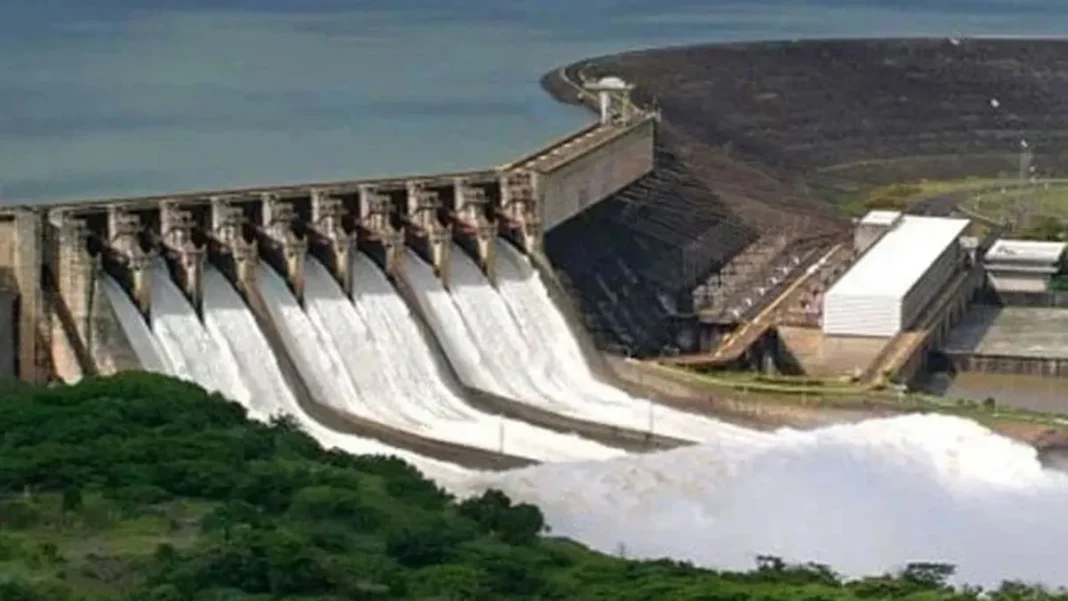
The project’s main physical asset is the Gabral-Kalam Hydropower Plant, an 88-megawatt run-of-river project on the Swat River, capable of generating 339 gigawatt hours a year. Another component covered the 157-megawatt Madyan plant and other facilities on the Swat and other river basins, whose total potential was estimated at more than 2,000 megawatts.
Why the rating arrives at a difficult moment
The rating did not arrive in isolation. Two recent developments, reported separately, add context to the Bank’s caution.
First, a World Bank mission in September 2026 could not visit the Gabral-Kalam site or proposed alternative investment sites because of security-related travel restrictions in Khyber Pakhtunkhwa. In an October 14 letter, the Bank said the restriction left its assessment of new investments incomplete. The mission had been reviewing restructuring, implementation progress, and the possible use of project savings.
Second, the Bank approved a restructuring on June 12, 2026, which removed the Madyan Hydropower Project and freed about $147.3 million for alternative investments and contingencies. The Pakhtunkhwa Energy Development Organisation proposed the Munda hydropower project and a Swat Valley corridor transmission line as possible uses for those savings, but the Bank could not fully assess them without site visits.
Third, Transparency International Pakistan asked the Bank in October to investigate alleged procurement irregularities in the prequalification of a joint venture for the Gabral-Kalam electro-mechanical contract. The organisation questioned whether the Argentine partner, IMPSA, had properly declared its state-owned status. The energy development organisation replied that the state-owned enterprise rules in the bidding documents apply only to enterprises in the borrower’s country, that no contract had been awarded, and that the process was still under way.
None of those three developments is the same as the Bank’s rating. Together, they show why the next steps matter: site visits when conditions allow, a signed electro-mechanical contract, and faster disbursement before the 2027 target.
For Khyber Pakhtunkhwa, the stakes are practical: hydropower from the Swat basin could add low-cost electricity and provincial revenue, while delays push those benefits further away. The Bank’s message, read fairly, is not that the project has stopped. It is that pace and risk need closer attention in its final year.
Feature Pakistan earlier reported on a World Bank package linked to wheat and sugar reforms and on Pakistan agriculture financing reaching Rs1.329 trillion.
Frequently asked questions
What did the World Bank rate as “moderately unsatisfactory”?
Progress towards the development objectives of the Khyber Pakhtunkhwa hydropower and renewable energy project. Overall implementation progress was rated “moderately satisfactory”.
How large is the loan?
A $727 million package, approved in 2020, with a target completion date of November 30, 2027.