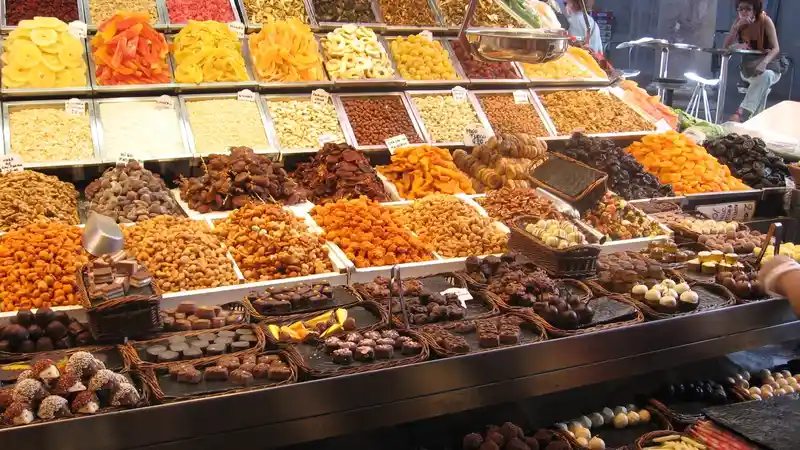
Quetta dry fruit prices have risen sharply as colder weather sets in, putting popular winter snacks beyond the reach of many households. Prices in the city have increased by 30 to 40 percent overall this year, according to market reports, although the quoted rates for some varieties show even steeper rises.
Pistachios, which sold for Rs3,000 per kilogram last year, now cost up to Rs5,000. Almond prices have climbed by Rs1,200 to reach Rs3,200 per kilogram. Cashews have risen from Rs3,000 to Rs4,500 per kilogram. Pine nuts, locally known as chilgoza, now sell for between Rs6,000 and Rs8,000 per kilogram.
The increases have strained household budgets at the start of winter, when dry fruits are a traditional part of diets and hospitality in Quetta and across Balochistan.
Quetta dry fruit prices: what each variety now costs
The table below sums up the prices reported from Quetta markets.
| Variety | Last year | Now |
|---|---|---|
| Pistachios | Rs3,000 per kg | Up to Rs5,000 per kg |
| Almonds | Rs2,000 per kg | Rs3,200 per kg |
| Cashews | Rs3,000 per kg | Rs4,500 per kg |
| Chilgoza (pine nuts) | Not stated | Rs6,000 to Rs8,000 per kg |
The almond figure for last year is worked out from the reported rise: prices climbed by Rs1,200 to reach Rs3,200, which puts last year’s price at Rs2,000. The overall rise of 30 to 40 percent covers the market as a whole, while individual varieties have moved by more.
Pistachios show the sharpest jump in the reported figures, up by two-thirds from last year. Cashews are up by half. Chilgoza remains the most expensive item on the list, with the top of its range reaching Rs8,000 per kilogram.
Why shopkeepers say this year feels different
Shopkeepers say dry fruit prices previously increased once a year. Now, however, rates change within days. That pace makes it harder for households to plan winter shopping, and harder for small traders to set prices with confidence.
The shift matters because dry fruits are not a luxury item in Quetta’s winter markets alone. They are bought for family use, for guests and for seasonal recipes. When prices jump within days, many buyers simply buy less, or switch to cheaper varieties.
The increases also come at a time when household budgets are already under pressure from fuel and food costs. Feature Pakistan reported that Pakistan’s food supply already fails its own dietary guidelines, with persistent shortages in nutritious food groups. Higher dry fruit prices add one more barrier to foods that are rich in energy and nutrients.
What buyers can expect next
No official price control for dry fruits has been announced in the reports from Quetta. Market prices will therefore keep moving with supply, demand and the pace of winter buying.
Buyers who shop early in the season may still face the same high rates, since the reported prices already reflect the start of winter demand. Traders say the pattern of rapid price changes is itself a new problem, separate from the level of prices.
For now, the practical advice in the market is simple: compare prices across shops, buy in smaller quantities if needed, and expect rates to keep shifting as winter deepens.
How much have dry fruit prices risen in Quetta?
Prices have risen by 30 to 40 percent overall this year, with pistachios up from Rs3,000 to Rs5,000 per kilogram.
Which dry fruit is the most expensive?
Chilgoza, or pine nuts, now sell for between Rs6,000 and Rs8,000 per kilogram, the highest range in the reported Quetta prices.
Why are prices changing so fast?
Shopkeepers say rates previously changed once a year, but now they change within days, making winter shopping harder to plan.
Are the rises the same for every variety?
No. Pistachios rose by about two-thirds, cashews by half, and almonds by Rs1,200 per kilogram, while the overall market rose by 30 to 40 percent.