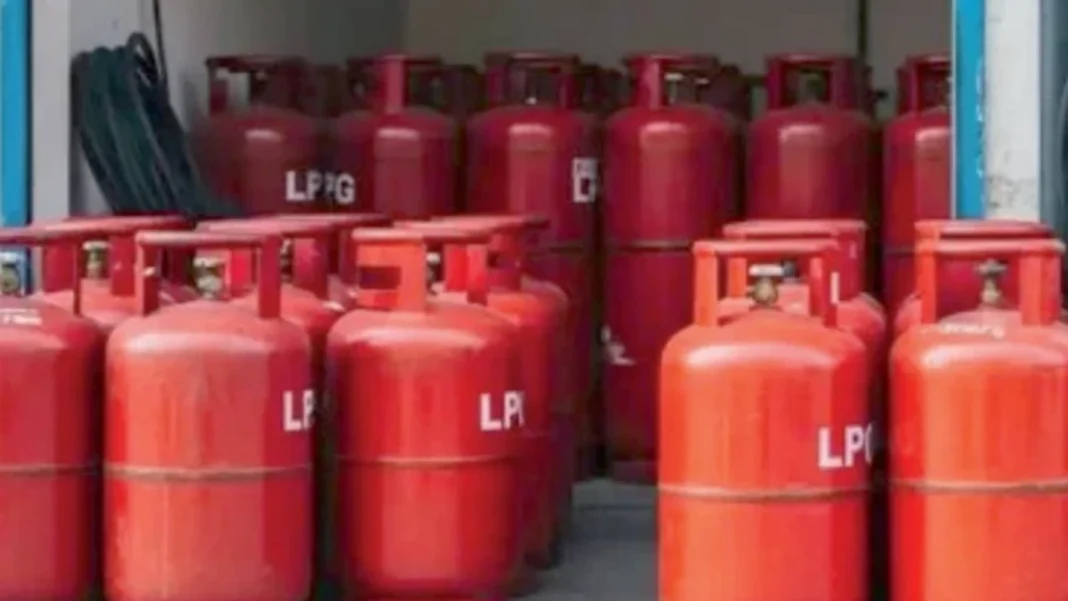
Hyderabad LPG prices fell by Rs20 to Rs30 per kilogram within a single day, giving households and rickshaw drivers in parts of the city a small break from rates that had climbed far above the official price.
Retailers who had been selling liquefied petroleum gas for around Rs550 per kilogram cut their prices to between Rs520 and Rs530, according to reports from different areas of the city, ProPakistani reported. Shopkeepers credited a new LPG shipment arriving at the port. Distributors had been supplying LPG from plants at Rs520 per kilogram before reducing the rate to Rs490 on Monday, prompting retailers to pass on part of the cut.
Even after the fall, the relief is limited. The Oil and Gas Regulatory Authority fixed the LPG price for domestic consumers at Rs279.34 per kilogram for the current month. At Rs520 to Rs530, Hyderabad’s retail price is still nearly double the official rate, so consumers are paying roughly Rs240 extra on every kilogram.
Hyderabad LPG prices: still far above the official rate
The gap between the official price and the shop price is not new. The National Assembly was told on Monday that LPG was selling at Rs700 to Rs800 per kilogram in remote and northern areas, against the regulator’s official price, which the petroleum minister put at Rs280 per kilogram in the House. That figure matches the regulator’s current domestic price of Rs279.34, allowing for rounding.
Feature Pakistan covered that Assembly debate in its report on the LPG price hike blamed on the border closure. The minister told the House that the closure of the Pakistan-Iran border was one of the main reasons for the price surge, since 50 to 60 per cent of Pakistan’s LPG was imported from Iran. The rest came from Qatar, but supply from Qatar has been suspended since the start of the US-Iran war, and the government is now trying to bring in gas by sea route.
That background explains why a single shipment can move prices in one city but not fix the problem. A port delivery eases local supply for a few days, while the underlying shortage, created by the border closure and the suspended Qatar supply, remains in place.
What the cut means for households
LPG is the main cooking fuel in areas without piped gas, and it is widely used by rickshaw drivers. When retail prices sit far above the official rate, families limit their use, and drivers see their daily earnings shrink. ProPakistani reported that consumers and rickshaw drivers in Hyderabad were still struggling with high costs despite the recent reduction, with many cutting back because retail prices remain unaffordable.
Winter will test whether the cut holds. LPG use rises in cold months, and the Assembly debate noted that the fuel is largely consumed in remote and far-flung areas where pipe gas is not available. If sea-route supplies do not keep up, the Hyderabad cut could prove short-lived.
What happens next
Three things will decide whether prices ease further. The first is whether the port shipment reaches retailers beyond Hyderabad and brings down prices in other cities. The second is whether distributors hold the lower plant rate of Rs490 per kilogram or push it back up. The third is enforcement: the official price is Rs279.34, yet even after the cut, Hyderabad’s shops charge nearly twice that figure, and the regulator has yet to close that gap.
For now, Hyderabad’s fall is a welcome but small correction in a market where the official price and the shop price still live far apart.
Frequently asked questions
How much did LPG prices fall in Hyderabad?
Prices fell by Rs20 to Rs30 per kilogram within a single day, with retailers cutting rates from around Rs550 to between Rs520 and Rs530 per kilogram.
What is the official LPG price in Pakistan?
The Oil and Gas Regulatory Authority fixed the domestic consumer price at Rs279.34 per kilogram for the current month, far below the Rs520 to Rs530 charged in Hyderabad shops.
Why are retail LPG prices still so high?
The National Assembly was told that the Pakistan-Iran border closure cut off a source that supplied 50 to 60 per cent of imports, while Qatar supply has been suspended, leaving retailers to charge well above the official rate.