Riyadh Missile Attack: Two Missiles Intercepted
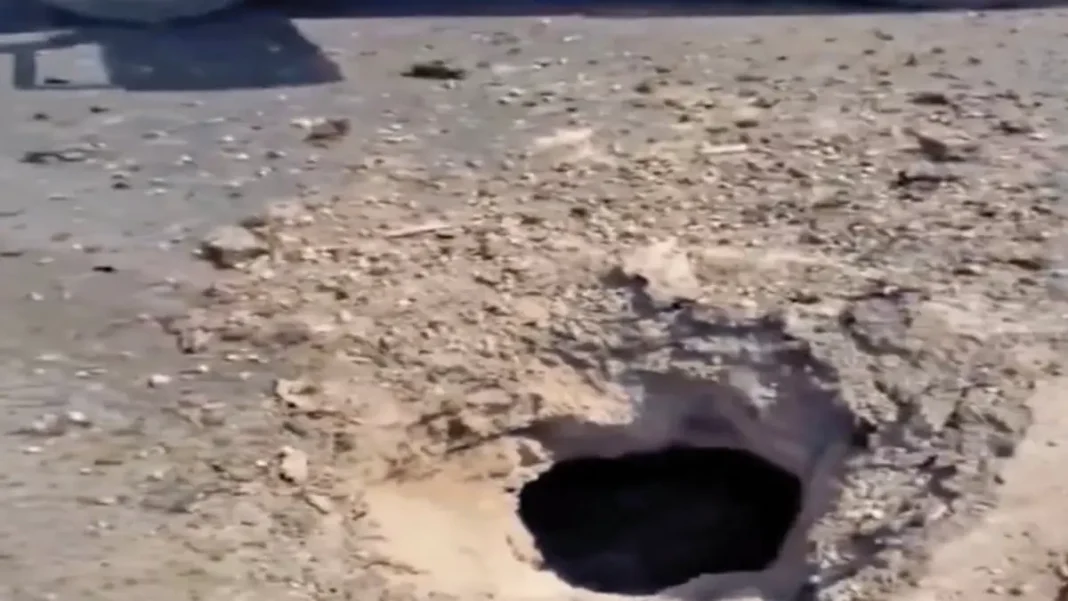
The Saudi-led coalition said on Thursday it destroyed and intercepted two ballistic missiles launched by Yemen’s Houthi rebels towards Riyadh. The Riyadh missile attack set off explosions across the capital and prompted phone alerts warning residents of a hostile aerial threat.
Correspondents for the AFP news agency heard at least eight explosions in Riyadh after residents received a phone alert saying the city was under a hostile aerial threat. Saudi civil defence also issued warnings of potential danger in Riyadh, Al Kharj, and the southern city of Najran. Those warnings were lifted shortly afterwards. The coalition statement did not report casualties in Riyadh from the intercepted missiles.
The alerts came during a sharp rise in hostilities between the Houthis, who are backed by Iran, and Saudi Arabia, which supports Yemen’s internationally recognised government. The two sides have exchanged daily attacks since a fragile truce collapsed over the summer. The Houthis and Saudi Arabia have fought in Yemen since 2014, when the Houthis seized the capital, Sanaa, and a Saudi-led coalition intervened the following year in support of the government.
Riyadh missile attack: claims from Yemen
The Houthis gave a different account of Thursday’s fighting from inside Yemen. The group’s health ministry said 12 people had been killed and three others critically injured in what it described as Saudi strikes on residential areas in western Yemen. It said homes belonging to two families were targeted in Al-Barah, in Maqbana district. Those claims could not be independently verified.
The Houthis had also reported at least 14 deaths in Saudi strikes on a petrol station and a market on Wednesday. The group also targeted the airport in Aden, a stronghold of Yemen’s internationally recognised government, wounding civilians. Neither claim has independent confirmation in the reporting so far, and the two sides routinely report sharply different casualty figures from the same days of fighting.
The latest escalation follows the breakdown of a 2022 truce in July. The Houthis allowed an Iranian plane to land in Sanaa in defiance of Saudi control over Yemeni airspace, and that move triggered renewed attacks. The rebels then began targeting Saudi territory, shipping, and oil facilities with greater frequency. Strikes on Riyadh airport forced its closure for two weeks and prompted the cancellation of major events, threatening the kingdom’s economic diversification plans.
A pattern Feature Pakistan has tracked
Thursday’s attack is the latest in a series of strikes on the Saudi capital that Feature Pakistan has followed since early October. On October 10 and 11, Houthi strikes hit Riyadh airport and forced flight suspensions and cancellations. By October 25, flights had resumed, though with cancellations still in place. Thursday’s interception over the capital itself, rather than at the airport, marks a return to direct alerts inside Riyadh after that period of disruption.
That pattern matters for readers in Pakistan for a practical reason. Saudi Arabia hosts a large Pakistani community, and Riyadh airport disruptions in October already affected travel plans for passengers flying to and from the Gulf. No flight disruption from Thursday’s attack has been reported so far, and the civil defence warnings were lifted quickly. Travellers should still check with their airline before heading to the airport, because warnings and closures in this conflict have changed at short notice.
More than 1,600 people have been killed and over 275,000 displaced since hostilities resumed, according to United Nations figures cited in the reporting. Those figures cover the renewed fighting, not the full decade of war in Yemen. They show why each new round of strikes carries weight beyond the missiles intercepted on a single day: the fighting has already displaced hundreds of thousands of people, and each escalation risks adding to that toll.
What to watch next is straightforward. First, whether the coalition reports any damage or injuries from debris after the interceptions. Second, whether the Houthis claim further strikes on Saudi targets in the coming days. Third, whether Riyadh airport operations stay normal. If the pattern of October holds, a single quiet day will not settle the question, and the next claim from either side will arrive quickly.
Frequently asked questions
What happened in the Riyadh missile attack?
The Saudi-led coalition said it intercepted two Houthi ballistic missiles aimed at Riyadh. AFP correspondents heard at least eight explosions, and civil defence warnings for Riyadh, Al Kharj, and Najran were later lifted.