No Immediate Petroleum Levy Cut, Says Ahsan Iqbal
Planning Minister Ahsan Iqbal has ruled out an immediate reduction in the petroleum levy, telling reporters on Thursday, October 29, that the government will not cut the levy under pressure from Jamaat-e-Islami. He said the government would consider a gradual decrease from the next budget instead.
The statement sets the government’s position clearly. Relief, if it comes, will be phased and budget-linked, not immediate. That distinction matters for motorists, because the levy is a large part of what drivers pay at the pump today.
Iqbal spoke on the same day Petroleum Minister Ali Pervaiz told the National Assembly that petroleum levy collection was part of the International Monetary Fund targets. The minister’s written replies gave the House the full collection picture for the first time in this debate, and those figures explain why the government is reluctant to move quickly.
Petroleum levy: Rs4.4 trillion collected in four years
The government collected Rs4.4 trillion in petroleum levy from fiscal year 2022-23 to 2025-26, against a target of Rs4.2 trillion, according to the petroleum minister’s replies to the National Assembly. The four-year collection was therefore Rs227 billion more than the government’s own targets.
In the last fiscal year alone, the target was Rs1.468 trillion and the actual provisional collection was Rs1.567 trillion. For the current fiscal year, the budget estimate for petroleum levy collection is Rs1.676 trillion. The minister also confirmed that petroleum levy collection forms part of the fiscal targets agreed under the IMF Extended Fund Facility.
The scale of that revenue is the core of the government’s case. Iqbal said Pakistan’s current macroeconomic situation, which he said the government had managed with great difficulty, could not afford a repeat of past mistakes. He warned against a decision taken for temporary public applause today that could become a major crisis tomorrow, pointing to rising world oil prices and the risk that global conditions could worsen without warning.
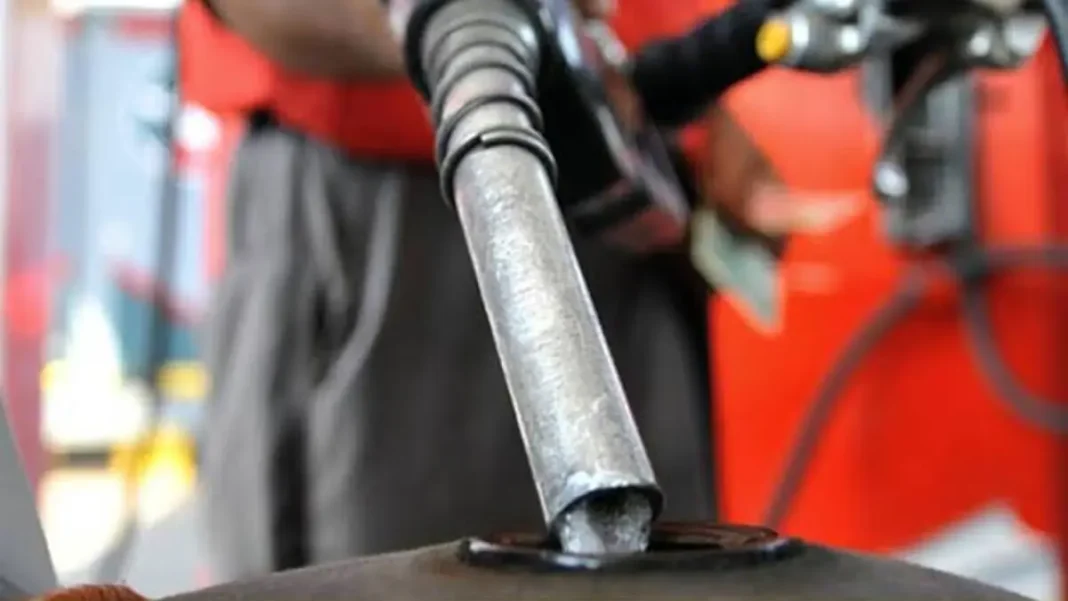
At present, the government charges Rs80 per litre in petroleum levy, Rs5 per litre in climate levy and Rs20.56 per litre in customs duty, taking total taxes on fuel to about Rs106 per litre. Iqbal said the government had launched a relief scheme for low-income segments, under which about 12.7 million people had already registered.
A committee, not a cut, for now
A committee has been formed to consider feasible proposals for a phased reduction in the petroleum levy from the next budget. From the government side, Deputy Prime Minister Ishaq Dar, Ahsan Iqbal and Rana Sanaullah will sit on the committee, while Jamaat-e-Islami will nominate three representatives. Both sides will then discuss the matter together, with the stated common interest of providing relief to the public.
Jamaat-e-Islami has been protesting against the levy at a time when world prices are already high because of the Middle East conflict. A Jamaat-e-Islami delegation met the prime minister earlier this week. The committee is the government’s answer to that pressure so far: talks and a future phased plan, rather than an immediate rate change.
The petroleum minister’s replies also recorded an earlier internal disagreement. In May this year, Ali Pervaiz wrote to the finance minister proposing an annual levy target of Rs1 trillion and a rate of Rs50 per litre because of high world prices. That proposal was not adopted.
What today’s pump prices show
The levy debate lands on top of pump prices that already strain household budgets. Feature Pakistan reported that high-speed diesel crossed Rs400 per litre for October 30, with petrol unchanged at Rs377.91 per litre under the daily pricing mechanism. The levy is only one part of that price, but at about Rs106 per litre in taxes, it is a large part, and that is why Jamaat-e-Islami’s campaign has found an audience.
Feature Pakistan has followed the levy dispute through its earlier stages, including the prime minister’s meeting with Jamaat-e-Islami’s chief on the levy and the fuel relief committee formed after those talks. Thursday’s statement is the next step in that sequence: the committee exists, but the government has now said plainly that it will not cut the rate immediately.