Punjab Halts Old Imported Wheat Supply Over Quality Concerns
Punjab’s food safety and consumer protection department has halted the supply of old imported wheat to flour mills over quality concerns. The old imported wheat quality decision, issued in a directive on Thursday, tells mills to lift only locally procured wheat until a final decision is made.
The department said the lifting of old imported wheat had been stopped due to quality concerns. It added that the decision on imported wheat was pending and would be communicated once finalised. The move follows months of complaints from flour millers about the condition of the grain being released from government warehouses.
Old imported wheat quality: what millers reported
Flour mill owners, represented by the Pakistan Flour Mills Association, raised concerns several months ago. They reported discoloured and shrivelled grains, insect infestation, and possible fungal growth in the imported stock. At the time, the department said it would take up the matter with the federal government, while distribution continued.
The department then maintained that the wheat was within permissible limits and that the complaints were not supported by its assessments. The latest directive marks a clear shift from that position, and it has prompted questions about the basis of the earlier assessments and why the change came only after months of continued releases.
Millers say imported wheat procured several years ago and stored in open and covered warehouses had deteriorated in appearance, gluten strength, and nutritional value. They say flour produced from the grain was darker, had poor binding properties, and carried an unpleasant smell. They also reported consumer complaints, while saying their options were limited because official releases relied largely on older stocks to meet demand.
Old imported wheat quality: local stocks also under question
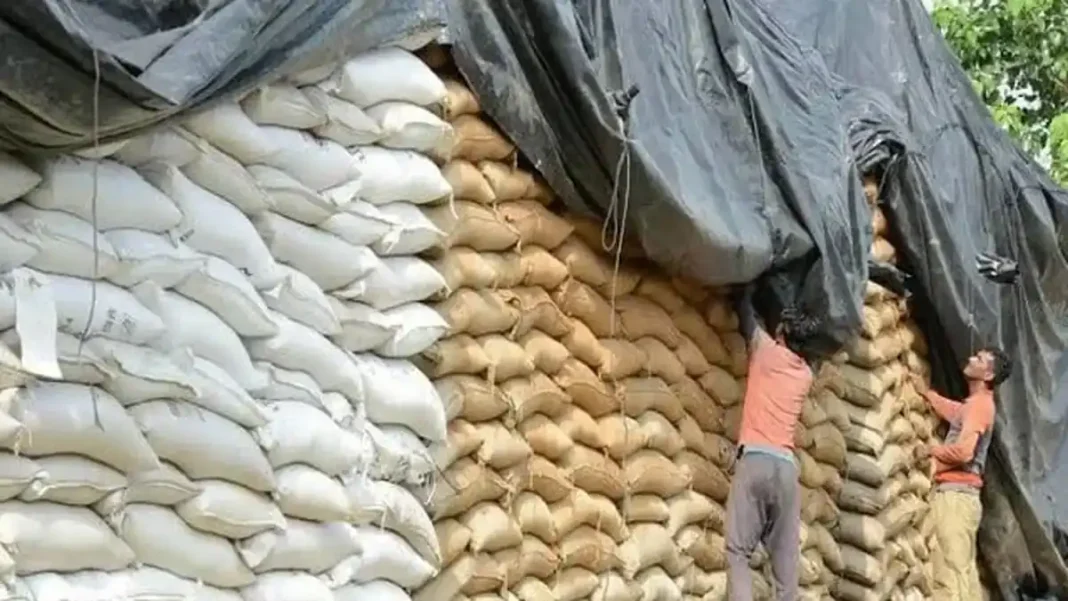
Stakeholders have also raised concerns about locally procured wheat stored in Punjab for two to three years in gunny bags and on open plinths. They argue that the condition of this stock could be comparable to that of older wheat imported by the Pakistan Agricultural Storage and Services Corporation (PASSCO), and they have called for its suitability for human consumption to be assessed.
That wider point matters. If the problem is storage rather than origin, then halting imported supplies alone will not settle the question. Stakeholders are seeking a broader review of wheat procurement and storage practices in Punjab, covering both imported and locally procured stocks, rather than a review limited to PASSCO supplies.
The stakes are high because wheat sets the price of flour, and flour sets the price of daily bread. Feature Pakistan reported that the prime minister has set an indicative wheat price of Rs4,500 per maund for the 2027 crop, while flour prices in Lahore have already jumped, with a 20-kilogram bag reaching Rs3,133. A quality dispute in government stocks therefore reaches household budgets quickly.
What happens next depends on the final decision the department has promised. Mills need to know whether old imported stocks will return to the market, be tested batch by batch, or be removed from human consumption. Until that decision is communicated, mills will lift only local wheat, and the questions about earlier assessments will remain open.
Frequently asked questions
Why has Punjab halted old imported wheat supplies?
The food safety and consumer protection department halted lifting of old imported wheat to flour mills due to quality concerns, and directed mills to lift only locally procured wheat until a final decision is made.
What defects did millers report in the imported wheat?
Millers reported discoloured and shrivelled grains, insect infestation, and possible fungal growth, and said flour from the grain was darker, bound poorly, and smelled unpleasant.
Did the department agree with millers earlier?
No. When millers first raised concerns months ago, the department said the wheat was within permissible limits and that the complaints were not supported by its assessments, while distribution continued.
Are locally procured stocks also questioned?
Yes. Stakeholders say locally procured wheat stored for two to three years in gunny bags and on open plinths may be in comparable condition, and they want its suitability for human consumption assessed too.