PPP Invites Opposition to Electoral Reforms Committee
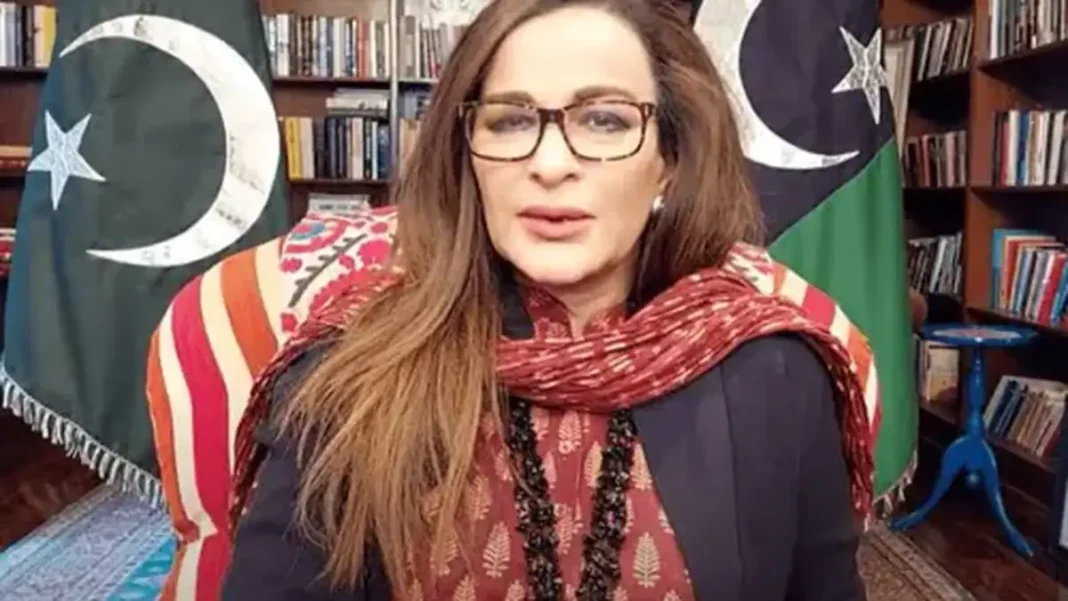
A Pakistan Peoples Party delegation called on Senate Opposition Leader Allama Raja Nasir Abbas on Friday and urged the opposition to join a proposed electoral reforms committee, Senator Sherry Rehman said after the meeting.
Rehman said Abbas told the delegation he would respond after consultation. “We are hopeful that their response will be positive,” she said in a video statement.
The delegation included the PPP’s secretary general Nayyar Bokhari, Senator Waqar Mehdi, Nadeem Afzal Chan and Rehman. On the opposition side, the meeting included Abbas, Mehmood Khan Achakzai, Noor-ul-Haq Qadri and Senator Ali Zafar, according to the Associated Press of Pakistan account of the meeting.
What the committee would do
The proposal for the committee was shared by PPP chairperson Bilawal Bhutto-Zardari in the National Assembly on Thursday. Bilawal said Parliament had decided to constitute a committee on electoral reforms in response to a PPP request, and he urged Achakzai, the opposition leader in the National Assembly, to nominate a representative.
The reason, Bilawal said, was that the opposition had described electoral rigging as a “fundamental issue”. A committee that includes the opposition would therefore carry more weight than one formed by the government benches alone.
Rehman said the committee would prepare recommendations on electoral reforms and present them before Parliament for approval. She said the PPP wanted an electoral system that enjoyed the confidence of all political parties, and she urged opposition parties to present their proposals to the committee.
She also said repeated questions about the electoral process affected the credibility of Parliament, adding that free, fair and transparent elections were essential for protecting voters’ rights and strengthening democratic institutions. Abbas, according to the APP account, agreed with the proposal to make the electoral process more transparent.
Why participation is the sticking point
Rehman pressed a wider point than the single committee. “Every political party should ensure its participation in the committee,” she said. “We all know that the PTI has boycotted parliamentary committees. So we asked them to join this committee, play an active role in it, express their reservations and suggest reforms.”
PTI lawmakers quit the parliamentary standing committees last year on the directives of their party chief. Rehman called committees the “heart of parliamentary work” and said the PTI should participate in other parliamentary committees as well and “strengthen Parliament’s role”.
That history is why the PPP has pursued the opposition through delegations rather than a single letter. A day earlier, another PPP delegation invited Achakzai to join the committee. Raja Pervez Ashraf later told a press conference that the delegation had met Achakzai on Bilawal’s instructions, and that Achakzai had sought time to consult before responding. The Friday meeting with Abbas follows the same pattern: an invitation, a request for time, and a public hope that the answer will be yes.
Bilawal has linked the outreach to a wider offer. Addressing a rally in Karachi earlier this month, he invited opposition parties to engage with the federal government and said their positive engagement could result in the reversal of governor’s rule in Khyber Pakhtunkhwa.
What happens next
Two responses are now awaited: one from Abbas in the Senate, and one from Achakzai in the National Assembly. Both have sought time to consult, and neither has yet accepted or refused.
If both accept, the committee can start work with opposition members at the table, and its recommendations will be harder to dismiss as one-sided. If either refuses, the PPP will face a choice between proceeding without the opposition or continuing to negotiate, and the committee’s credibility will be the first casualty.
The effort sits alongside other recent parliamentary business. Bilawal has already urged the opposition to rejoin committees, and he announced the electoral reforms committee during a meeting with Fazlur Rehman. The Senate has also passed a population resolution warning of 390 million people by 2050, while the question of governor’s rule in Khyber Pakhtunkhwa remains tied to the wider government-opposition negotiation. The committee proposal is the PPP’s attempt to turn that negotiation into a concrete piece of parliamentary work.
Who met whom on Friday?
A PPP delegation led by Senator Sherry Rehman visited the chamber of Senate Opposition Leader Allama Raja Nasir Abbas to invite the opposition to join the proposed committee.