Rawalpindi Polio Sewage Triggers November Drive
Rawalpindi polio sewage findings have forced the health department and the district administration to approve another anti-polio campaign from November 2, after Unicef confirmed a substantial presence of poliovirus in the city’s sewage. The last anti-polio campaign of the year will also be held in December, The Express Tribune reported on Saturday, October 31.
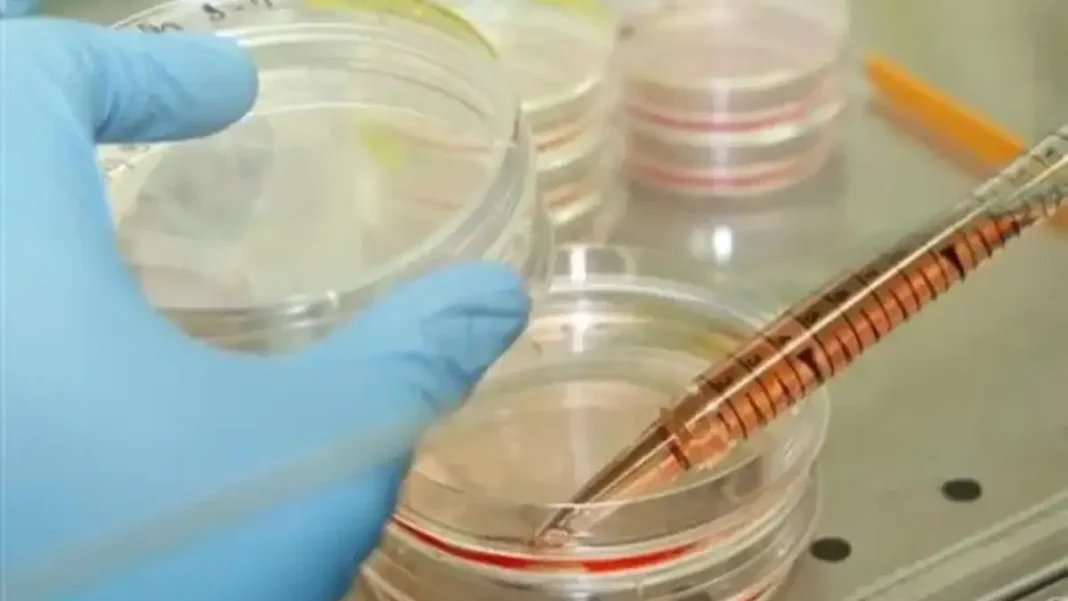
The decision reverses earlier claims from the district administration and the health department that Rawalpindi’s sewage had been completely cleared of poliovirus. A third-party survey has now detected a significant quantity of the virus in the city’s sewage, particularly in Nullah Lai, and that finding prompted the fresh campaign.
Rawalpindi polio sewage: what the survey found
The third-party survey is the key new fact in this story. Earlier this year, officials had claimed the sewage was clear. The survey found otherwise, with a significant quantity of virus present, and the heaviest presence reported in Nullah Lai, the large drain that runs through the city.
Sewage detection matters because it can reveal virus circulation before children fall ill, acting as an early warning system for surrounding neighbourhoods.
The Tribune report also describes a growing problem with refusal cases. From January 1 to October 30 this year, the health department remained unable to effectively cover families refusing vaccination. The district administration had previously described such families as Afghan refugees, but the report notes that refusal cases continued to rise despite the deportation of all Afghan families from Rawalpindi district.
According to the report, the families now refusing drops include a large number of Kashmiri and local Rawalpindi families living in affluent areas, as well as families in Pindora, Satellite Town, Saddar, Dhok Hassu, Pirwadhai, Fauji Colony, Dhok Mangtal, Adiala Road, Gulistan Colony and Rehmatabad. Authorities have said these families will be a particular focus of the campaign beginning on November 2.
The November 2 campaign and the December drive
A meeting of the District Polio Eradication Committee, chaired by Deputy Commissioner Nadeem Nasir, was held on Thursday to review arrangements for the November 2 campaign, the performance of the previous drive and preparations for the upcoming campaign.
A presentation on the previous campaign reviewed the performance of union councils, vaccination coverage, missed children and cases involving parents who refused vaccination. The presentation set the previous campaign target at 989,924 children in Rawalpindi district. Of the children missed during that drive, 84 per cent were covered on the same day.
The deputy commissioner directed officials to pay special attention during the upcoming campaign to union councils where vaccination coverage had remained low. He called for identifying missed children and ensuring follow-up so that polio drops reach them.
He also issued special instructions for Lab Thatho union council in Taxila, saying the complete eradication of polio was a national responsibility. He directed the health department, the World Health Organisation and other relevant institutions to work in coordination and adopt a joint strategy, and he told officials to monitor field teams continuously so that no negligence occurs during the campaign. Later, the deputy commissioner formally inaugurated the campaign by administering polio drops to children.
The November drive is therefore targeted, not routine. It will focus on low-coverage union councils and refusal cases, followed by the year’s final campaign in December.
Why Rawalpindi’s signal matters beyond the city
Rawalpindi is a garrison city with heavy daily movement into Islamabad and across Punjab, so a sewage signal there carries weight beyond one district. It also shows why independent checks matter: the third-party survey, not the earlier clearance claim, forced action here. Feature Pakistan has followed the vaccination effort across the country, including the polio booster drive in Peshawar and the demand for better security for polio teams after attacks on vaccinators, while a separate measles outbreak in Lower Dir showed how quickly vaccine-preventable disease can return when coverage slips.
Frequently asked questions
When does the Rawalpindi campaign start?
The campaign begins on November 2, with a further campaign planned in December as the last anti-polio drive of the year.
What triggered the new campaign?
Unicef confirmed a substantial presence of poliovirus in Rawalpindi’s sewage, and a third-party survey found a significant quantity of the virus, particularly in Nullah Lai.
How many children were targeted last time?
The previous campaign in Rawalpindi district set a target of 989,924 children, and 84 per cent of the children missed during that drive were covered on the same day.