Saudi Strikes Target Houthi Resources in Yemen
Saudi airstrikes hit a key Red Sea port in Yemen on Sunday, hours after the Saudi led coalition said it had carried out a military operation to neutralise Houthi resources used to support the group’s war effort. Houthi media said the strikes targeted Hodeidah, a strategic port under Houthi control on Yemen’s west coast.
The Houthi aligned Al-Masirah TV said Saudi forces launched two airstrikes on Ras Issa port, a major oil and fuel terminal on the Red Sea coast about 55 kilometres north of Hodeidah city. The port sits in Hodeidah Governorate and handles fuel shipments into territory held by the group.
Coalition spokesman Turki al-Maliki said the operation to neutralise Houthi resources took place in the morning. It followed continued Houthi attacks against civilians and civilian infrastructure in Yemen and Saudi Arabia, he said. The coalition’s joint forces command had tracked the Houthis’ continued use of vital resources to support their war effort and build up military capacity, above all ballistic missiles and drones.
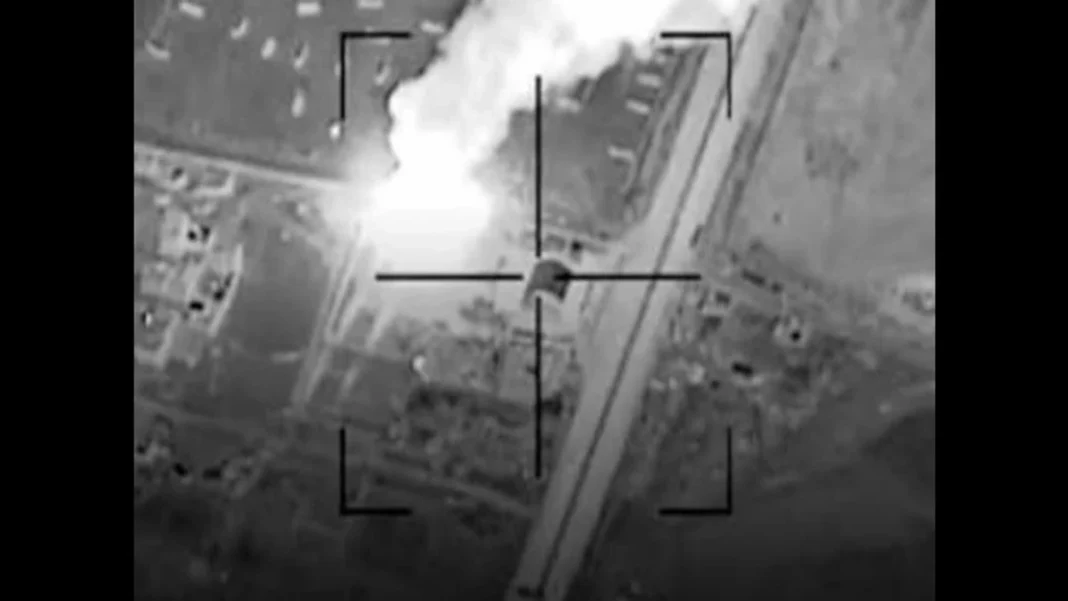
Al-Maliki did not name the locations hit or describe the nature of the resources in detail. The coalition has published video footage that it said showed attacks in the Hodeidah and Dhamar governorates, according to Business Recorder.
A two way exchange across the border
The strikes formed part of a wider exchange on Sunday. The Saudi led coalition said it had intercepted and destroyed a drone launched by the Houthis towards the kingdom’s southern region. Residents also reported civil defence alerts warning of possible danger in Abha and Khamis Mushait for a brief period.
Iran’s state run IRNA agency reported a strike in the other direction. It said a Yemeni strike hit an industrial complex in Saudi Arabia’s Dammam, in the east of the kingdom, and caused a huge fire at the facility on Sunday.
Houthi media also reported strikes on the faculty of medicine at Hodeidah University in the same province, while two residents told Agence France-Presse they heard an explosion in the area. Those claims could not be independently checked at the time of reporting.
Houthi resources: why Ras Issa port matters
Ras Issa matters because Hodeidah holds the biggest seaport under Houthi control, and it is a key entry point for food and aid into areas the group holds. Strikes on its oil and fuel terminal therefore carry weight beyond the military target, since fuel keeps hospitals, water pumps and food transport running.
The fighting forms part of a war that reignited after a fragile 2022 truce fell apart in July, when the Houthis allowed an Iranian plane to land in the capital Sanaa against Saudi control of Yemeni airspace. Since then, the Houthis have repeatedly targeted oil facilities and airports in the kingdom, while the coalition has struck targets inside Yemen.
The United Nations says more than 1,600 people have been killed since fighting reignited. Houthi media, cited by Business Recorder, has repeated threats against Saudi oil giant Aramco and against aviation in the kingdom, warning airlines against using Saudi airspace except for the airspaces of Makkah and Madina.
Feature Pakistan covered an earlier missile attack on Riyadh as the cross border strikes intensified, and Iran warned of a longer war if the United States struck in the wider regional confrontation. Gulf shipping has also come under strain, including an attack on a Pakistan bound LNG tanker near Hormuz.
The human cost keeps rising
What did the coalition say it targeted?
The coalition said it carried out an operation to neutralise vital Houthi resources used to support the war effort and build up ballistic missiles and drones.
Where is Ras Issa port?
Ras Issa is a major oil and fuel terminal on the Red Sea coast, about 55 kilometres north of Hodeidah city in Hodeidah Governorate.
What happened in Dammam?
Iran’s IRNA agency said a Yemeni strike hit an industrial complex in Dammam, in eastern Saudi Arabia, and caused a huge fire on Sunday.
How many people have been displaced?
The International Organization for Migration said more than 300,000 people had fled their homes in western Yemen, almost all in the last two months.
What did the UN say about its detained staff member?
UN rights chief Volker Turk said a Yemeni staff member died in Houthi custody after more than two years of arbitrary detention, and called for an independent investigation.