Snow Leopards Face Growing Threats in Gilgit-Baltistan
- Suggested slug: snow-leopards-threats-gilgit-baltistan-october-2026
- Category: National
- Focus keyphrase: snow leopards Gilgit-Baltistan
- SEO title: Snow Leopards Face Growing Threats in Gilgit-Baltistan
- Meta description: Snow leopards in Gilgit-Baltistan face poaching, habitat loss and climate change, experts warn, as Pakistan’s largest habitat gets little protection.
- Tags: snow leopard, Gilgit-Baltistan, wildlife Pakistan, Snow Leopard Foundation, climate change, poaching, International Snow Leopard Day, conservation
- Original element: explainer context: the 2009-2019 Snow Leopard Foundation study (167 animals) is set against the older 250-450 estimate and against Gilgit-Baltistan’s habitat pressures, with Feature Pakistan’s own climate and Gilgit-Baltistan coverage linked
- Sources: Dawn (https://www.dawn.com/news/2039591/snow-leopards-face-growing-threats-in-gilgit-baltistan-experts)
- Date: Friday, 23 October 2026 (International Snow Leopard Day observance; reported in Dawn’s 25 October edition)
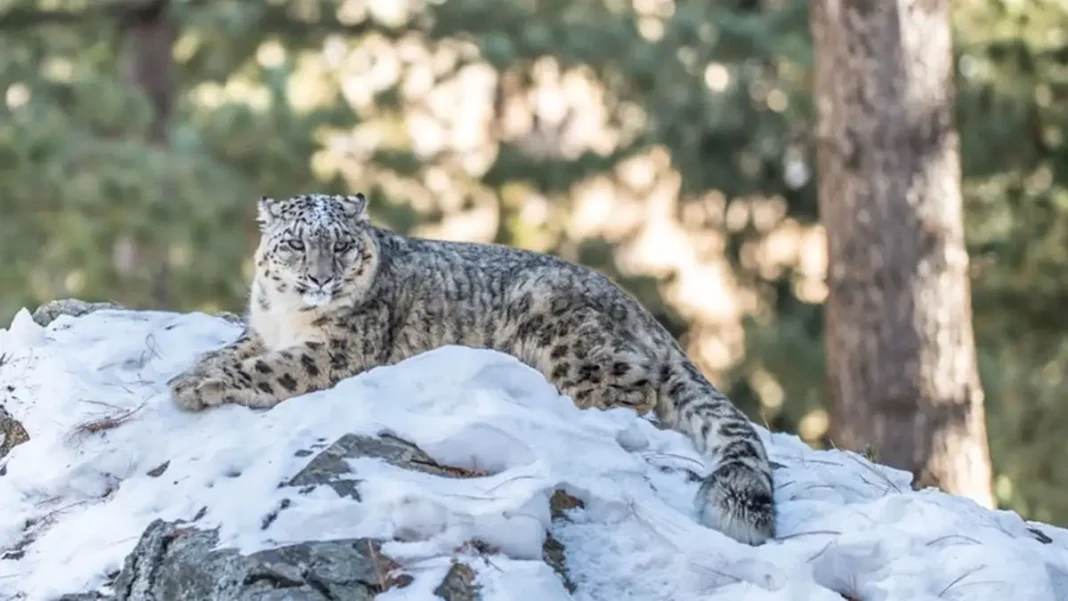
The snow leopard faces mounting risks in Gilgit-Baltistan, which hosts Pakistan’s largest snow leopard habitat, from governmental neglect, poaching for illegal wildlife trade, climate change and human-wildlife conflict.
International Snow Leopard Day was marked on a small scale in Gilgit-Baltistan on Friday, reflecting the lack of attention from government and private groups.
What the numbers show
The United Nations said for the day that the snow leopard plays a key role in maintaining the balance of mountain ecosystems, and that it was threatened by climate change, pollution and biodiversity loss.
A Snow Leopard Foundation study from 2009 to 2019 found only 167 of the rare animals remained in Pakistan, against earlier estimates of 250 to 450. Dr Hussain Ali, the study’s author and a senior regional programme manager at the foundation, told Dawn it was the first scientific research of its kind in Pakistan.
Why the cats are dying
Local shepherds who spend time with livestock and yaks in upper areas have observed a decline over time. Ali Haider, a resident of Hisper Nagar, a well-known snow leopard habitat, told Dawn there was no conservancy or protection plan in the valley.
Snow leopards share much of their range with pastoral communities. When a big cat kills livestock, retaliatory killings follow, by poisoning carcasses or direct shooting. The animals are also killed for skins and bones, illegally sold at high prices on the black market.
Experts said most killings went unreported. Roads, mining, fences and tourism infrastructure fragment the habitat, while shifting weather, snow drought and changes in vegetation and water availability add pressure.
The prey problem
Gilgit-Baltistan Chief Conservator of Parks and Wildlife Zakir Hussain blamed human-induced factors: human-wildlife conflict, retaliatory killings and habitat fragmentation.
He added that depletion of natural prey was another major threat. Snow leopard habitats sit above 5,100 metres, and the animals depend on ibex, blue sheep, markhor, Ladakh urial and Marco Polo sheep.
“Illegal hunting of wild species reduces their populations, ultimately forcing snow leopards to attack livestock or move down towards human settlements,” he said. Prey loss pushes the cats towards livestock, prompting retaliatory killings, and climate-induced changes add to the decline.
The pattern is a cycle: fewer wild prey means more livestock attacks, more livestock attacks mean more retaliatory killings, and each killing shrinks a population already counted at just 167 animals.
A compensation idea, six years in the making
Zakir Hussain said that where conservation measures were effective and natural prey had increased, snow leopard populations were showing positive trends.
He said the department had worked for six to seven years on a compensation mechanism for livestock losses, which would pay herders for animals killed by snow leopards and remove the main motive for retaliation. It remains a work in progress.
The wider climate pressure makes the task harder. Climate change threatens Kalash life in Chitral’s valleys, while polling in Gilgit-Baltistan has repeatedly put development ahead of conservation. Why climate change impact cannot be ignored sets out the broader stakes, and the Hunza Valley travel guide shows how tourism growth adds both income and pressure on fragile habitat.
For Gilgit-Baltistan, the snow leopard is more than a symbol. It sits at the top of a high-altitude food chain that includes the markhor and ibex herders also value. Losing it would signal that the whole mountain system is under strain.
Frequently asked questions
How many snow leopards are left in Pakistan?
A Snow Leopard Foundation study from 2009 to 2019 counted 167 animals, against earlier estimates of 250 to 450.
Where is Pakistan’s largest snow leopard habitat?
Gilgit-Baltistan, which accounts for the largest share of the country’s snow leopard habitat, at altitudes above 5,100 metres.
What threatens snow leopards most?
Retaliatory killings after livestock attacks, poaching for skins and bones, habitat fragmentation from roads, mining and tourism infrastructure, depletion of natural prey, and climate change.