LPG Price Karachi: Rs550 per kg as Supply Squeez Bites
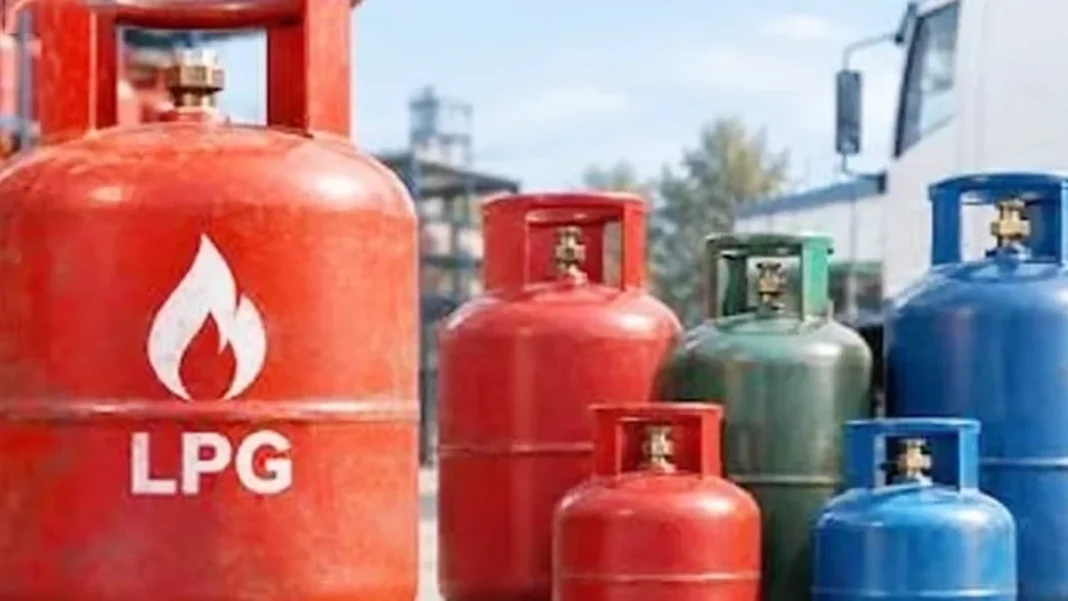
Consumers in Karachi are paying Rs550 per kilogram for liquefied petroleum gas (LPG), after the rate jumped by Rs50 in a single day. The market price is now nearly double the official rate, as disrupted Iranian supplies deepen a shortage that leaves households with little choice but to pay more for cooking gas, The Express Tribune reported on Saturday, October 31.
Market sources said Iranian LPG supplies were failing to reach Karachi’s markets. The disruption has created a supply gap that local marketing companies are allegedly exploiting to push up prices at their own discretion. Shopkeepers said the companies were supplying LPG at inflated rates, and the latest surge has cut their sales by up to 50 per cent.
For households without piped natural gas, the increase is unavoidable. Consumers said buying expensive LPG was their only option for cooking. The rising cost is squeezing household budgets and also threatens to push up transport fares and the prices of tandoor bread and bakery products.
LPG price Karachi: why the shortage has returned
The Karachi surge is the latest turn in a volatile month for LPG. Just days ago, prices had eased. On October 28, Feature Pakistan reported that LPG prices had fallen by Rs30 to Rs40 per kilogram over two days as some Iranian supply resumed. That relief has now reversed in Karachi, which shows how fragile the supply chain remains.
The underlying problem is dependence on imports. When cross-border supplies from Iran are disrupted, local stocks run down fast and dealers pass the shortage on through higher prices. Market sources warned that the situation could get worse if Iranian supplies do not return to normal and the government does not strengthen oversight of LPG prices.
Winter makes the timing worse. Demand for cooking and heating gas rises in the colder months, while supply is already tight. Karachi now faces the prospect of a worsening gas shortage and another round of price increases as winter approaches.
What this means for households and small businesses
The effects spread beyond the kitchen. Tandoors and bakeries run on gas, so higher LPG prices feed into the cost of bread and baked goods. Small transport operators who use LPG also face higher running costs, which can show up in fares. Shopkeepers, meanwhile, are caught between higher purchase prices and customers who buy less.
The official price offers little protection in practice. When the market rate runs nearly double the notified rate, the official figure matters less than what dealers actually charge. That gap is why consumers and shopkeepers alike are calling for stronger checks on marketing companies.
Government action is the missing piece so far. Market sources have urged the authorities to restore normal Iranian supplies and to enforce price discipline. Without either step, the next move in price is likely to be upward rather than down.
What happens next
Two developments will decide where prices go from here. The first is whether Iranian LPG shipments to Karachi resume at normal volumes. The second is whether the government steps in with oversight or enforcement against profiteering. Until one of those happens, households should expect continued volatility.
Readers can follow the wider energy picture in Feature Pakistan’s earlier coverage of the fall in LPG prices on October 28 and the proposed winter gas loadshedding plan, which would add to pressure on households in the colder months.
Frequently asked questions
What is the LPG price in Karachi now?
Rs550 per kilogram, after a rise of Rs50 in a single day, according to market sources quoted by The Express Tribune.
Why has the price risen?
Iranian LPG supplies have failed to reach Karachi’s markets, creating a shortage that marketing companies are allegedly exploiting to raise prices.
How does this compare with the official price?
The market rate is nearly double the official price, leaving households that depend on LPG with little protection from the notified rate.
Will prices fall again soon?
That depends on whether Iranian supplies return to normal and whether the government enforces price discipline. Market sources warn prices could rise further if neither happens.
*Source: The Express Tribune.*