Quick Facts
- Location: Gupis town, Ghizer District (now Gupis-Yasin District), Gilgit-Baltistan, Pakistan — on the banks of the Gilgit River
- Altitude: Around 2,176 metres above sea level
- Famous For: A 19th-century British-era fort with four corner watchtowers, trout-rich Khalti Lake nearby, and the road onward to Shandur Pass
- Nearest City: Gilgit, about 112 km to the east
- Accessibility: Reachable by road from Gilgit on the Gilgit–Shandur road (several hours’ drive); currently being restored for cultural tourism by Serena Hotels with the Northern Light Infantry and the Aga Khan Cultural Service Pakistan
- Known Landmarks: Gupis Fort, Khalti Lake, Phander Lake, Shandur Polo Ground, ancient stone circles (megaliths)
- Best For: History buffs, photographers, anglers, families on a northern areas road trip, and travelers heading to the Shandur Polo Festival
Why Visit Gupis Fort
Every traveler to Gilgit-Baltistan knows Baltit and Altit. Almost nobody knows Gupis — and that is exactly why you should go. Gupis Fort is a handsome, brooding 19th-century fort standing low over orchards and wheat fields on the bank of the Gilgit River, with four watchtowers that have watched over this valley since 1894. Also, it is not polished, not crowded, and not on any souvenir magnet. It is real: stone, timber, and mud walls that once housed soldiers, stored grain. It sheltered a raja, now waiting for the restoration that will turn it into one of the region’s great cultural stops.
Lakes, Stone Circles and Shandur
But Gupis is more than the fort. The town sits at the meeting point of some of the finest scenery in the western Himalaya–Hindu Kush: the trout-filled Khalti Lake twenty minutes away, the deep-blue Phander Lake up the valley, the megalithic stone circles that hint at a far older past. The long jeep road climbing to Shandur — the world’s highest polo ground. If Hunza is the northern areas’ grand stage, Gupis is the quiet green room where the real life happens: farmers in the fields, children fishing the streams, and polo ponies training for July.
There is also a genuine sense of discovery here. Also, the fort’s watchtowers — three floors each, for storage, residence, and surveillance — are connected by passages through the residential rooms. A four-foot-thick dressed-stone wall with timber bracing wraps the whole structure. Architecture lovers will recognize the classic Gilgit-Baltistan building tradition at its most functional. And because a major restoration by Serena Hotels and the Aga Khan Cultural Service Pakistan (the team behind Altit, Baltit, Shigar. Khaplu) is now underway, visiting in the next few years means watching a monument come back to life.
This gupis fort travel guide covers everything you need: the fort’s real history, the best things to do around Gupis, how to reach it from Islamabad, Lahore. Also, Karachi, where to stay and eat. In fact, the seasons that show the valley at its best. For more northern journeys, see our Hunza Valley guide and the full Explore Pakistan collection.
History of Gupis Fort
The British built Gupis Fort in 1894, in the era when they were consolidating their influence over the princely states of the Gilgit Agency. Unlike the great raja-built forts of Hunza and Baltistan, Gupis was a working military and administrative post: a rectangular fortified compound with residential quarters, stores, offices, and even prison cells, all enclosed by a defensive wall. For years the Gilgit Scouts garrisoned and used it, later the Northern Light Infantry, and local tradition holds that the raja of the time also lived in the fort for several years.
A reminder that in these valleys, military and royal power often shared the same roof.
Anatomy of a Frontier Fort
The fort’s design tells you how it was used. Also, it stands on relatively low-lying ground beside the village — unusual for a purely defensive fort. A hint that storage and administration mattered as much as warfare. In fact, the main entrance faces the village farming area and the Ghizer (Gilgit) River. In addition, the south side overlooks the orchards and the Gilgit–Chitral road; the west faces the Gupis stream. Four watchtowers — some circular, some square — anchor the corners, each rising three floors for storage, living quarters, and lookout duty, linked by pathways running through the residential rooms.
The walls are dressed stone with timber bracing, four feet thick in places. The inner buildings mix wood, mud, and stone in the classic regional style. Different sections of the fort correspond to different phases of construction, and one wing is even organized by rank: the lowest rooms for junior cadets, the middle level for senior officers. The topmost portion with barracks for soldiers, all arranged around a central courtyard.
From Decay to Rescue
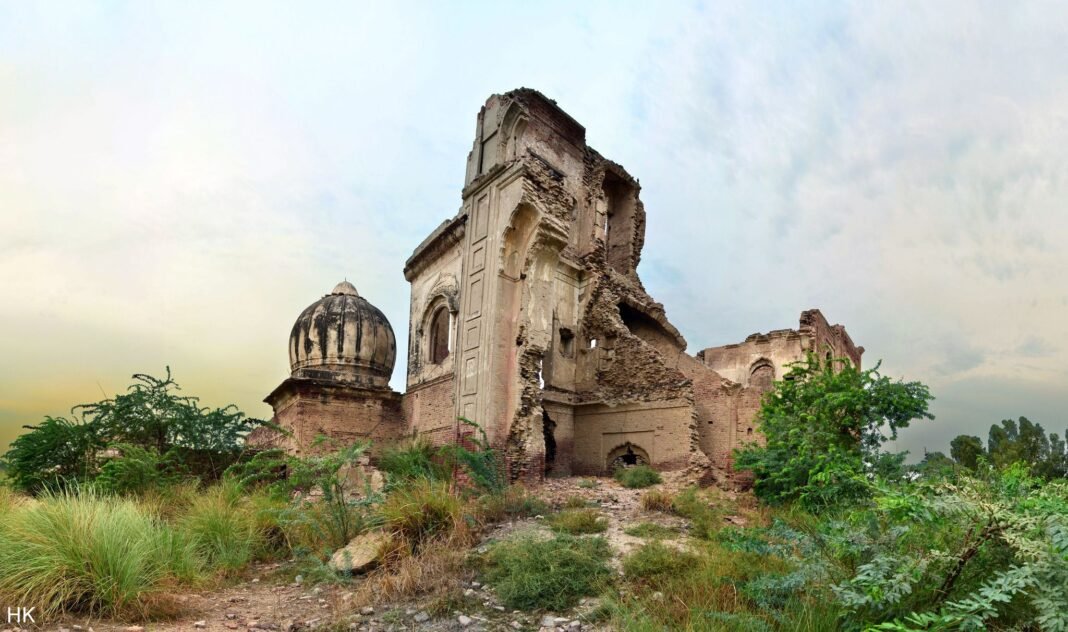
For decades after the military moved out, the fort stood empty and began to crumble — photographs from the 2010s show graffiti on the walls, collapsing towers, and animals grazing in the courtyard. Then, in June 2025, came the news heritage lovers had waited for: Serena Hotels signed an agreement with the Northern Light Infantry Regiment Centre for the restoration and reutilization of Gupis Fort, with conservation work to be carried out alongside the Aga Khan Cultural Service Pakistan. The same organization that restored Altit Fort, Baltit Fort, Shigar Fort, and Khaplu Palace.
The plan is to restore the fort to its original integrity and reopen it as a cultural and tourist site, engaging local artisans and suppliers so the restoration feeds the valley’s economy. Gupis is about to step onto the heritage circuit, and early visitors will have the story of its rescue to tell.
The deeper history of the valley reaches far beyond 1894. Also, Gupis (locally Goopechh) sits on the ancient route between Gilgit and Chitral. In fact, the valley’s stone circles of megaliths speak of prehistoric inhabitants whose names are lost. The people of the valley — largely of Rono, Shin. Yashkun background — have farmed these terraces and herded Marco Polo sheep, ibex, and yak for centuries.
Even the valley’s famous trout have a colonial footnote: in the 1930s, the British political agent Colonel Evelyn Hey Cobb, who organized the first Shandur polo tournament, had live trout shipped from England and released into the Ghizer River at the request of a local headman — the origin of the Directorate of Fisheries and of the great trout of the region’s lakes.
Top Things to Do in Gupis Fort
Explore the Fort’s Towers and Courtyard
Walk the full circuit of the fort. Also, climb — carefully, where the structure allows — into the corner watchtowers and look out over the orchards, the river. The Gilgit–Chitral road exactly as the lookouts did. Trace the passages that connect the towers through the residential rooms, and find the wing organized by military hierarchy, from cadets’ quarters to the soldiers’ barracks around the central courtyard. Because restoration is now underway, check locally whether any sections are closed for conservation work — and consider it a privilege to see heritage being saved in real time.
Fish or Picnic at Khalti Lake
Twenty to thirty minutes’ drive from Gupis, Khalti Lake is the valley’s beloved trout water — formed where the river stretches wide near Khalti village. Bring a picnic, watch the anglers, and if you fish, follow local rules and seasons. The lake’s still, green water against the mountains is one of the great quiet views of Ghizer.
Day-Trip to Phander Lake
Up the valley from Gupis lies Phander, with its famously deep, clear lake — one of the largest freshwater lakes in the region. The drive from Gupis takes a few hours each way through superb scenery, so start early. Also, trout, rowboats, and lakeside walks make this the classic Gupis-valley day out, and many travelers use Gupis as the overnight base for it.
See the Megalithic Stone Circles
Ask locally about the valley’s ancient stone circles — prehistoric megalithic remains scattered around Gupis that predate every fort and kingdom here. Also, they are not signposted or ticketed; a village elder or guide can show you. In fact, standing among stones raised by hands thousands of years old, with the Hindu Kush around you, is a humbling counterpoint to the 19th-century fort.
Drive the Road Toward Shandur
From Gupis the road climbs west toward Shandur Pass and on to Chitral — one of the great mountain drives of Pakistan. Even if you do not go all the way to the pass, the first stretch out of Gupis, past Shingalote village and up through the high pastures, is spectacular. Also, in early July, time it for the Shandur Polo Festival (see below) and join the pilgrimage of jeeps to the world’s highest polo ground at 3,700 metres.
Famous Places In and Around Gupis Fort
- Khalti Lake: Trout lake 20–30 minutes from Gupis — angling, boating, and picnics.
- Phander Lake: Deep, clear alpine lake up the valley; the classic day trip from Gupis.
- Shandur Pass and Polo Ground: World’s highest polo ground (3,700 m); festival each July.
- Shingalote village: Traditional Ghizer village on the road west from Gupis.
- Stone circles (megaliths): Prehistoric remains around the Gupis valley.
- Gahkuch: The old Ghizer headquarters town east of Gupis, with its own historic fort.
How to Reach Gupis Fort
Gupis lies about 112 km west of Gilgit on the Gilgit–Shandur road, and the journey is part of the adventure. Also, the road is paved in stretches and rough in others. Allow several hours from Gilgit, and always check conditions before setting out — landslides and summer cloudbursts can delay traffic.
From Islamabad (about 467 km to Gilgit, 12–16 hours by road): The classic route is the Karakoram Highway via Abbottabad, Mansehra, Besham, Dasu. Also, Chilas to Gilgit. In fact, in summer (roughly June–October) the shorter Babusar Pass route via Naran is open and spectacular. Most travelers break the journey with an overnight stop at Besham or Naran. From Gilgit, continue west on the Gilgit–Shandur road to Gupis.
By air (fastest): PIA operates flights from Islamabad to Gilgit (about an hour, weather permitting — morning flights are most reliable). Also, From Gilgit airport, hire a car or jeep for the drive to Gupis.
From Lahore: Drive or fly to Islamabad first (about 380 km by the M-2), then follow the Islamabad route above. From Karachi: Fly to Islamabad, then fly or drive onward to Gilgit. The road journey from Karachi is over 1,500 km and not practical in one go.
Public transport runs from Islamabad and Rawalpindi to Gilgit (NATCO and private coaches), and local vans and jeeps connect Gilgit to Gupis and Ghizer. For comfort and flexibility — especially with the Shandur road’s condition — a hired 4×4 with a local driver is money well spent. If you are continuing east afterward, our Hunza Valley guide picks up the journey.
Route Details
- Islamabad → Karakoram Highway (via Abbottabad–Mansehra–Besham–Dasu–Chilas) → Gilgit. Alternatively, fly Islamabad → Gilgit.
- Gilgit → west on the Gilgit–Shandur road, passing Gahkuch.
- Continue about 112 km to Gupis town on the Gilgit River.
- The fort stands in Gupis proper, near the village fields — ask any local to point you to “Gupis Fort”; everyone knows it.
Where to Stay in Gupis Fort
Set expectations honestly: Gupis is a small valley town, not a resort. Also, what it offers is clean, simple, family-run guesthouses and small hotels — budget-friendly rooms with home-cooked food and hosts who will happily arrange jeeps, fishing, and guides. Book ahead in summer and during the Shandur festival week, when every bed in the valley fills.
One tier up, Gahkuch and Phander have slightly larger hotels and government rest houses that tour groups use. Also, Phander’s lakeside options are popular with anglers. For full comfort — proper mid-range and upper-range hotels, restaurants, and bazaars — base yourself in Gilgit and visit Gupis as a long day trip or an overnight excursion. In fact, what you will not find is luxury inside Gupis itself. What you will find is hospitality that the big hotels cannot match. Camping is possible at designated spots around the lakes with local permission — bring full cold-weather gear even in summer, as nights at 2,176 metres are chilly.
Where to Eat: Local Foods of Gupis Fort
The signature dish of the valley is trout — fresh from Khalti Lake and the Ghizer River, fried simply with local spices at lakeside dhabas and guesthouses. Also, order it where the anglers eat and you will not go wrong. In fact, beyond trout, expect hearty mountain food: fresh wholegrain breads baked in local ovens, daal and seasonal vegetables, rice, and warming meat curries. Guesthouse kitchens cook what the valley grows, and the valley grows well.
Do not leave without the dry fruits: Gilgit-Baltistan apricots (dried), walnuts, and almonds are among the finest in Pakistan — buy them in Gupis or at the Gilgit bazaar on your way back. Apricot oil and local honey are prized take-homes. Also, meals are simple and inexpensive; a generous dinner at a guesthouse costs a fraction of city prices. In fact, carry snacks and water for the fort visit and the Shandur road, where shops are few and far between.
Weather in Gupis Fort
At 2,176 metres, Gupis has a true mountain climate: short, glorious summers and long, snowy winters. The valley is at its best from May to September. Also, the road from Gilgit is reliably open, the lakes are at their bluest, and daytime temperatures are made for walking. Winter brings heavy snow, freezing nights, and a valley that turns inward — beautiful, but only for the well-prepared.
| Season | Temperature Range | Conditions |
|---|---|---|
| Winter (Dec–Feb) | -10°C to 5°C | Cold with snowfall; nights well below freezing. Road access can be difficult. |
| Spring (Mar–May) | 0°C to 20°C | Blossom season in the orchards; melting snow, rising rivers. Late spring is lovely. |
| Summer (Jun–Aug) | 10°C to 28°C | Pleasant days, cool nights. Peak season — book stays ahead, especially around the July polo festival. |
| Autumn (Sep–Nov) | -2°C to 18°C | Golden apricot and poplar colours; October is crisp and clear. Snow can arrive by November. |
Language and Culture of Gupis Fort
Gupis is a meeting place of mountain cultures. The main languages are Shina and Khowar, with Brushaski and Wakhi also spoken in the valley, and most people understand Urdu. The population is largely of Rono, Shin. Yashkun background, and village life still turns on farming, orchards, and livestock — including the famous Marco Polo sheep, ibex, and yak of the high pastures.
Polo is not just a sport here. It is the valley’s passion and identity. The July pilgrimage to Shandur is the cultural high point of the year. Visitors are welcomed warmly — mountain hospitality is genuine — but observe local norms: dress modestly, ask before photographing people, and accept offered tea and food graciously. If you visit a home or a village gathering, a small gift for the children or a contribution to the host is appreciated but never demanded.
Shopping in Gupis Fort
Gupis town has small general bazaars for daily needs rather than tourist shopping — do the serious buying in Gilgit’s bazaar on your way through. The must-buys of the region are dried apricots, walnuts, almonds, and apricot oil, all produced in the Ghizer valley itself. Look also for handwoven woolen shawls, caps, and socks, and simple wooden handicrafts. Prices are honest and haggling is gentle. There are no shopping malls anywhere near Gupis; carry cash, as cards are rarely accepted.
Local Events and Festivals
Shandur Polo Festival (7–9 July, annually): The great event of the region’s calendar, held since 1936 at the world’s highest polo ground on Shandur Pass, between the teams of Chitral and Gilgit-Baltistan. Freestyle polo with no umpires and no holds barred, plus folk music, dancing, paragliding displays, trout angling competitions. A tented camping village. Gupis is the natural staging post on the Gilgit side — book transport and stays months ahead, pack for freezing nights at 3,700 metres, and check that the festival is on (it has occasionally been cancelled, as in 2024).
Harvest and blossom seasons: Not formal festivals. The valley’s rhythms — apricot blossom in April–May and the fruit harvest in late summer — are celebrations in themselves, and village hospitality is at its warmest when there is fruit to share.
Travel Tips for Gupis Fort
Packing Essentials
Warm layers in every season (nights are cold even in July). Also, a windproof and waterproof jacket. In fact, sturdy walking shoes or light trekking boots. Sun protection — mountain sun is fierce. A headlamp; a basic first-aid kit; and snacks and water for the Gilgit–Gupis road.
Safety Tips
The main risks are the roads, not the people: landslides, rockfall, and summer cloudbursts. Travel in daylight, check road conditions locally before the Gilgit–Gupis and Gupis–Shandur stretches, and never attempt the Shandur road in winter without expert local advice. Also, the valley itself is peaceful and welcoming; standard mountain-travel sense applies.
Money & Connectivity
Carry all the cash you will need — ATMs are unreliable beyond Gilgit and card payments are rare in Gupis. Also, mobile coverage is patchy: SCOM works best in Gilgit-Baltistan, with limited Jazz/Telenor signal in towns. Download offline maps, and tell your hotel your plans before heading to the lakes or the fort’s outlying areas.
Best Time to Visit Gupis Fort
Summer (June to August) — Peak Season
The valley is fully open, the lakes are at their best, and early July brings the Shandur Polo Festival. Also, expect the most fellow travelers — and the liveliest Gupis — now. In fact, book everything ahead.
Late Spring and Autumn (May, September–October) — The Connoisseur’s Choice
Fewer crowds, clear mountain air, blossom in May and golden autumn colours in October. Also, the fort and the lakes feel entirely yours. Just confirm road conditions at the season’s edges.
Winter (November to March) — Only for the Hardy
Snow, silence, and a valley asleep. The fort in snow is hauntingly beautiful, but access is difficult, many guesthouses close. Also, you will need serious cold-weather preparation and local guidance.
Final Thoughts
Gupis Fort is a place at the hinge of its own story. Also, For over a century it stood as a working fort of empire and kingdom. Meanwhile, For decades after, it stood empty and crumbling. Meanwhile, now, with Serena Hotels and the Aga Khan Cultural Service Pakistan bringing it back to life, it is becoming a cultural destination for the next century. Visiting now means seeing both the weathered original and the rescue in progress — and the valley around it, with its trout lakes, megaliths, and polo-mad villages, needs no restoration at all. It is already perfect.
Build Gupis into a Ghizer valley circuit: Gilgit to Gupis, Khalti and Phander lakes, and — if your timing is right — the road up to Shandur for polo at the roof of the world. Also, travel slowly, eat the trout, buy the apricots, and give the fort the lingering look it deserves. For the next chapter of your northern journey, our Hunza Valley guide continues east. The Explore Pakistan collection has the rest of the country waiting.
FAQs
Where is Gupis Fort located?
Gupis Fort stands in Gupis town, Ghizer District (now Gupis-Yasin District), Gilgit-Baltistan — about 112 km west of Gilgit on the Gilgit–Shandur road, at 2,176 metres above sea level.
When was Gupis Fort built?
The fort was built in 1894 in the British era. Also, it served as a military and administrative post, was used by the Gilgit Scouts and the Northern Light Infantry. It housed the local raja for several years.
What is the best time to visit Gupis Fort?
May to September. Also, summer (June–August) is peak season with the Shandur Polo Festival in early July. In fact, May and September–October are quieter with superb weather.
How do I reach Gupis Fort from Islamabad?
Drive the Karakoram Highway to Gilgit (about 467 km, 12–16 hours) or fly Islamabad–Gilgit (about an hour, weather permitting), then drive 112 km west to Gupis — several hours on the Gilgit–Shandur road.
Safety, Stay and Nearby Attractions
Is Gupis Fort safe for tourists?
Yes — the valley is peaceful and welcoming. Also, the main cautions are mountain-road hazards (landslides, weather); travel in daylight and check conditions locally.
Is Gupis Fort suitable for families?
Yes. Also, the fort, Khalti Lake, and Phander Lake make an easy family circuit in summer. In fact, bring warm layers for children — nights are cold even in July.
Where can I stay near Gupis Fort?
Simple family-run guesthouses in Gupis itself. Also, slightly larger options in Gahkuch and Phander; full mid-range and upper-range hotels in Gilgit. In fact, book ahead in summer and festival week.
What is the Shandur Polo Festival and when is it held?
An annual freestyle polo tournament between Chitral and Gilgit-Baltistan at the world’s highest polo ground (3,700 m), held 7–9 July since 1936, with folk music, dancing, and camping. Gupis is the natural base on the Gilgit side.