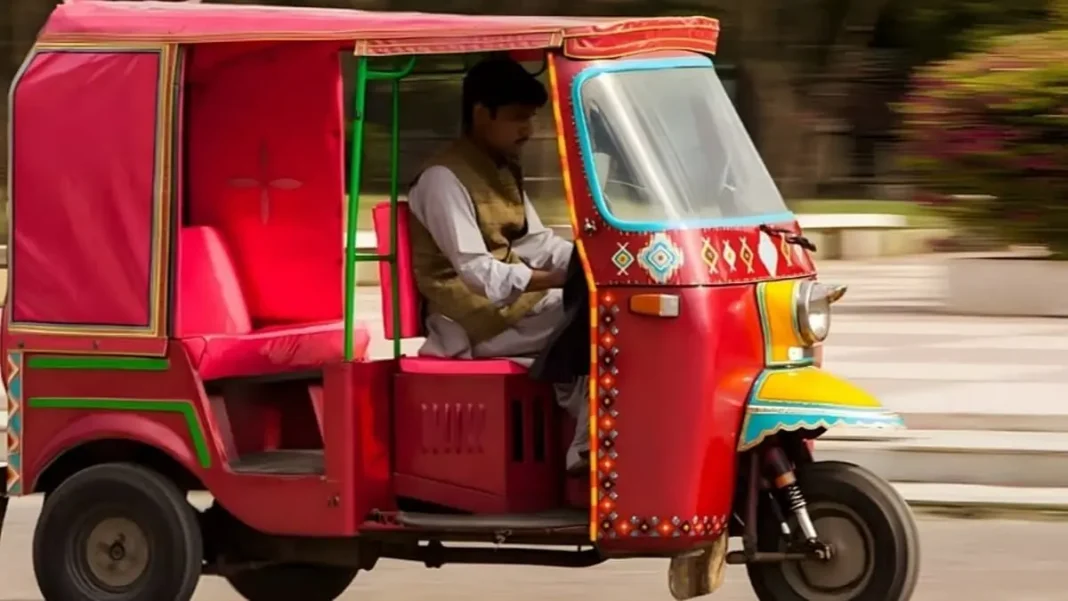
Sazgar Philippines Plant Opens in Biñan, Laguna
Pakistan’s Sazgar Engineering Works Limited has expanded into Southeast Asia. The company has launched its first overseas assembly plant in the Philippines, marking the entry of Pakistani-designed three-wheeler rickshaws and electric vehicles into the Philippine market.
Philippine President Ferdinand R. Marcos Jr. inaugurated the company’s new assembly facility in Biñan, Laguna. The inauguration marked a rare moment for Pakistani manufacturing: a home-grown vehicle maker setting up production abroad, with the host country’s president present at the launch.
The Embassy of Pakistan in the Philippines facilitated the expansion. It announced the launch on social media, noting that Sazgar is introducing its passenger and commercial rickshaws, along with electric vehicles, to local consumers.
What the Sazgar Philippines plant will build
The new facility has an annual production capacity of 12,000 rickshaws. Initially, 60 per cent of its production will comprise electric models. The plant is also 60 per cent Filipino-owned.
It will serve as Sazgar’s regional hub for Southeast Asia. That role matters, since it positions the plant to supply markets beyond the Philippines if demand grows. The project is also expected to create local employment opportunities and strengthen the Philippines’ automotive manufacturing sector.
During the inauguration, President Marcos highlighted the potential fuel cost savings for local tricycle drivers who switch from conventional vehicles to electric alternatives. He also urged Sazgar to accelerate its efforts to source locally manufactured components, including batteries, seats and other parts.
Pakistan’s Ambassador to the Philippines, Dr Asima Rabbani, congratulated Sazgar Engineering Works on the achievement.
Why this step matters for Pakistan
Sazgar is best known in Pakistan for its three-wheelers, which form a large part of urban and small-town transport. Moving from selling vehicles at home to assembling them abroad is a step up the manufacturing ladder. It tests whether a Pakistani design can meet another country’s rules, buyers and road conditions.
The electric share of production is the most telling detail. At 60 per cent electric from the start, the plant is not simply exporting an old petrol model. It is betting that Philippine tricycle drivers will switch to electric power for lower running costs. That bet matches a wider shift in the region, where cities are pushing cleaner transport for air quality and fuel savings.
The ownership structure also matters. With 60 per cent Filipino ownership, the plant is a joint venture in substance, not a branch office. Local partners bring knowledge of distribution, regulation and after-sales service. Sazgar brings the vehicle design and production know-how. That mix gives the venture a better chance of lasting than a wholly foreign-owned plant would have.
The wider electric vehicle picture at home
Pakistan’s own electric vehicle market is still taking shape. Toyota Pakistan has questioned the tax benefits given to rival electric vehicles, in a debate about how the state should treat different kinds of electric models. That debate shows how much policy still shapes who wins in the electric segment.
Pakistan also recorded record battery storage imports in the first half of 2026. Batteries are the costliest part of any electric vehicle. Rising imports suggest growing demand for storage and electric power, but they also show that Pakistan still depends on imported cells and packs.
Against that background, Sazgar’s move abroad looks like a hedge as well as an expansion. If the Philippine plant can source batteries and parts locally, as President Marcos urged, it can build a supply chain that does not depend on Pakistan’s import pipeline alone.
What happens next
Three tests will decide whether the Biñan plant succeeds. First, Philippine drivers must buy the electric models in enough numbers to fill a 12,000-unit annual capacity. Second, local sourcing of batteries, seats and parts must rise, as President Marcos asked, to keep costs down. Third, Sazgar must use the plant as a genuine regional hub, reaching buyers beyond Laguna and Metro Manila.
For Pakistan, the plant is also a proof point. If a Pakistani vehicle maker can run a plant abroad, other manufacturers may follow. If it struggles, the lesson will be just as useful: overseas assembly needs local partners, local parts and a clear buyer, not only a good design.
The original report on this launch was published by ProPakistani.
Where is the Sazgar Philippines plant?
The plant is in Biñan, Laguna, in the Philippines. President Ferdinand R. Marcos Jr. inaugurated it.