Super El Nino May Kill 373,000 in Six Months
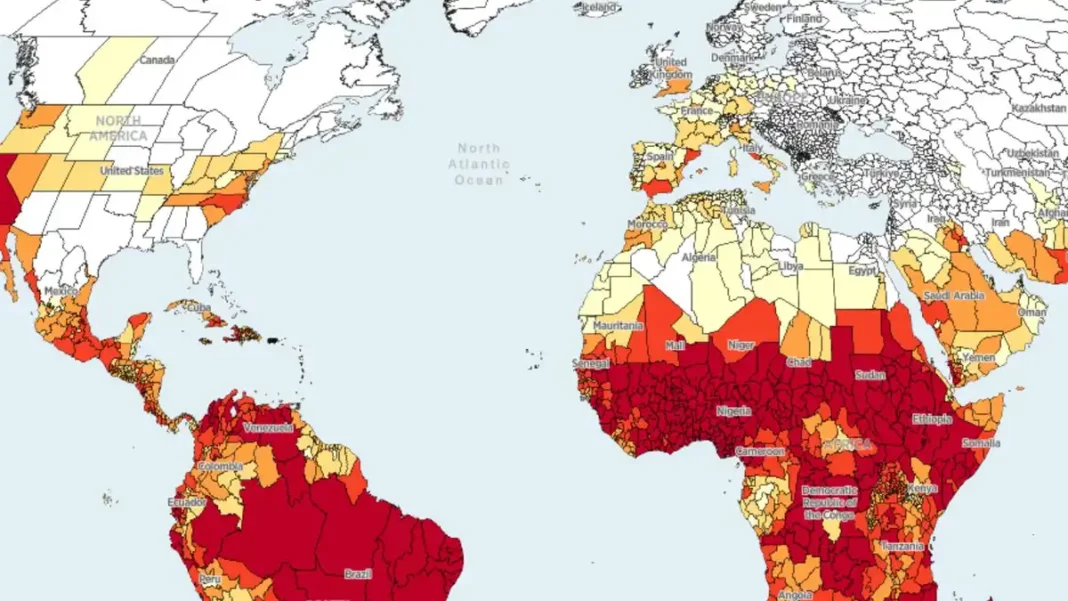
A powerful El Nino event could cause about 373,000 extra heat-related deaths around the world over the next six months, according to a new tracker from the University of Chicago. The Super El Nino heat deaths forecast covers October 2026 to March 2027, and it puts the heaviest burden on countries in Africa and Asia.
The tracker comes from the Climate Impact Lab at the University of Chicago. It maps, region by region, where rising heat linked to El Nino poses the greatest threat to life.
The headline figure needs careful reading. The 373,000 deaths are projected extra deaths above a historical baseline, not a count of confirmed deaths. The lab says the actual toll will depend on weather, on how governments respond, and on whether vulnerable people can reach cooling, care and early warnings.
Super El Nino heat deaths: where the toll falls hardest
Nigeria faces the largest projected burden, with about 56,000 extra heat deaths over the six months. India follows close behind, with about 55,000. Indonesia faces about 29,000, and Brazil about 19,000. Sudan, at about 14,700, is another major hotspot named in the tracker data.
The six-month figure sits inside a larger total. The tracker puts total extra heat deaths from this El Nino at about 857,000 between June 2026 and March 2027. About 484,500 of those deaths are already attributed to the period since June, with the remaining 373,000 projected for October to March.
| Country | Projected extra heat deaths, Oct 2026 to Mar 2027 |
|---|---|
| Nigeria | About 56,000 |
| India | About 55,000 |
| Indonesia | About 29,000 |
| Brazil | About 19,000 |
| Sudan | About 14,700 |
Why this El Nino is called a super event
El Nino is a natural climate pattern. It develops when sea surface temperatures become unusually warm in the central and eastern Pacific Ocean. It can shift rainfall, bring drought to some regions and heavier rain to others, and push heat to dangerous levels.
This event stands out for its strength. Sea surface temperatures in the east-central Pacific have surged about 3.4 degrees Celsius above historical averages, according to reporting on the tracker. The United States National Oceanic and Atmospheric Administration has put the chance that the developing El Nino reaches historic strength between October and December 2026 at 83 per cent.
The World Meteorological Organization has also warned that the event could add to rising global temperatures and more extreme weather. Feature Pakistan reported earlier this month that Copernicus warned a super El Nino could make 2026 the hottest year on record. The United Nations has separately warned that El Nino is going off the charts, with 50 million people facing hunger risk.
Michael Greenstone, a co-founder of the Climate Impact Lab and a professor at the University of Chicago, said the research gives decision makers a chance to act before lives are lost. He said being able to anticipate the deadly effects of extreme heat is a major step forward, since it shows where people face the greatest risks.
What the forecast means for Pakistan
The tracker does not give a Pakistan-specific death figure in the material published so far, and this article does not invent one. What it does show is a regional pattern that matters for Pakistan: extreme heat in South Asia, strained health systems, and monsoon disruption that can hit crops, water and daily work.
Pakistan has lived with that pattern in recent years. Air pollution already cuts life expectancy in Pakistan by 3.9 years, according to a recent report, and Lahore ranked as the world’s most polluted city on October 29. Heat, smog and weak cooling together raise the risk for outdoor workers, older people and children, even when the headline danger is framed as a global number.
The lab’s advice points to practical steps. Early warning systems, cooling centres, better access to health care, and limits on outdoor work during dangerous heat can all reduce the toll. The tracker is built to help funders, policymakers and health officials direct those resources to the regions where they will save the most lives.